A watch can tell you much more than the time. Some of these timepieces tell tales of the people who wore them, the moments they experienced, and the technology used in watchmaking during that time. Several watches worn by world leaders and historical figures have been given special attention over the years due to the documented association with presidents, statesmen, monarchs, and other influential figures.
Whether it's Winston Churchill's Breguet No. 765 or Dwight D. Eisenhower's Rolex Datejust, these watches demonstrate that a personal timepiece can also be a part of a larger historical story. Sometimes, the watch became famous due to the owner. In others, it was important because of its movement, design, origin, or association with an important event.
Why Are Watches Worn by World Leaders So Fascinating?
Watches worn by world leaders are fascinating because they link watchmaking to the real people and real moments. A timepiece can be particularly interesting if reliable records exist that document the owner, how it came to be in his hands, and his use of it.
Consider the distinction between a watch that is vintage and one that has been historically owned. They might both have great movements and old cases, but the second watch has an added significance.
These watches may be memorable for several reasons:
- Provenance: Records can link the watch to a particular owner.
- Historical Context: The watch could be from an important period.
- Craftsmanship: Complex movements can show the craftsmanship of previous watchmakers.
- Personal History: The watch could have been in the possession of the wearer for a long time.
- Documentation: Manufacturer archives, photographs, inscriptions, etc. can be used to substantiate the story.
The last one is more significant than you think. Famous names are not evidence of ownership or wear. Good watch research is looking for evidence.
- For Instance, Breguet has kept records since 1775 and records its association with famous clients. It is particularly noted for its archives, which include those of Winston Churchill's Breguet No. 765 and Napoleon Bonaparte's purchases.
7 Famous Watches Associated With World Leaders and Historical Figures
1. Winston Churchill: United Kingdom: Breguet No. 765
Winston Churchill had a longstanding association with the watchmaker Breguet, which goes back to 1775. One of the watches that belonged to the British statesman is Breguet No. 765. Breguet's own records say that Churchill wore this watch all his life and would often visit Breguet for servicing.
No. 765 was more than just a timekeeper. It was a very complicated chronograph with a minute repeater and flyback-seconds function, all of which were available in watchmaking at the time. Its history with Churchill also places it in a significant role in the history of political figures and fine watchmaking.
The association of Churchill with Breguet also demonstrates the ability for personal watches to become historical objects. Watches like No. 765 can hold a place in memory for the people and times that wore them, rather than just their technical aspects.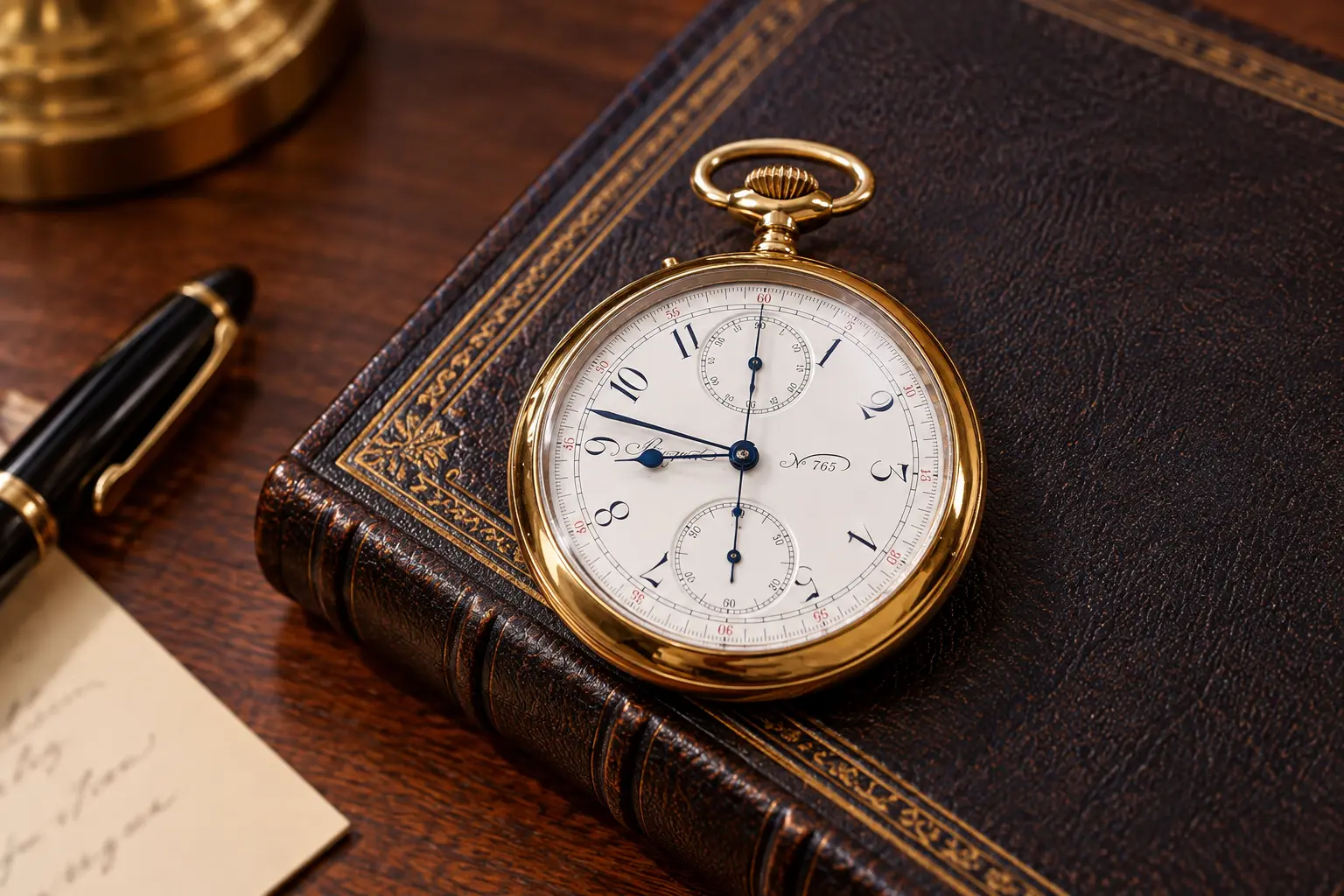
2. Dwight D. Eisenhower: United States: Rolex Datejust
Dwight D. Eisenhower was closely connected with the Rolex Datejust, especially when he was given a special Rolex in 1947. Eisenhower was then the Supreme Commander of NATO forces and Rolex gave him its 150,000th certified chronometer.
It was a yellow-gold Datejust watch with Eisenhower's initials on the back of the case. He went on to become the 34th President of the United States two years later, further cementing the watch's association with the United States. Rolex labels Eisenhower as one of the great figures in history connected to the Datejust.
When Eisenhower got his watch, the Datejust was already an important model. It was first introduced in 1945 as a self-winding chronometer with a date at 3 o'clock. It was followed by a later version of its Cyclops date magnifier, which further cemented the Datejust as one of Rolex's most iconic design elements.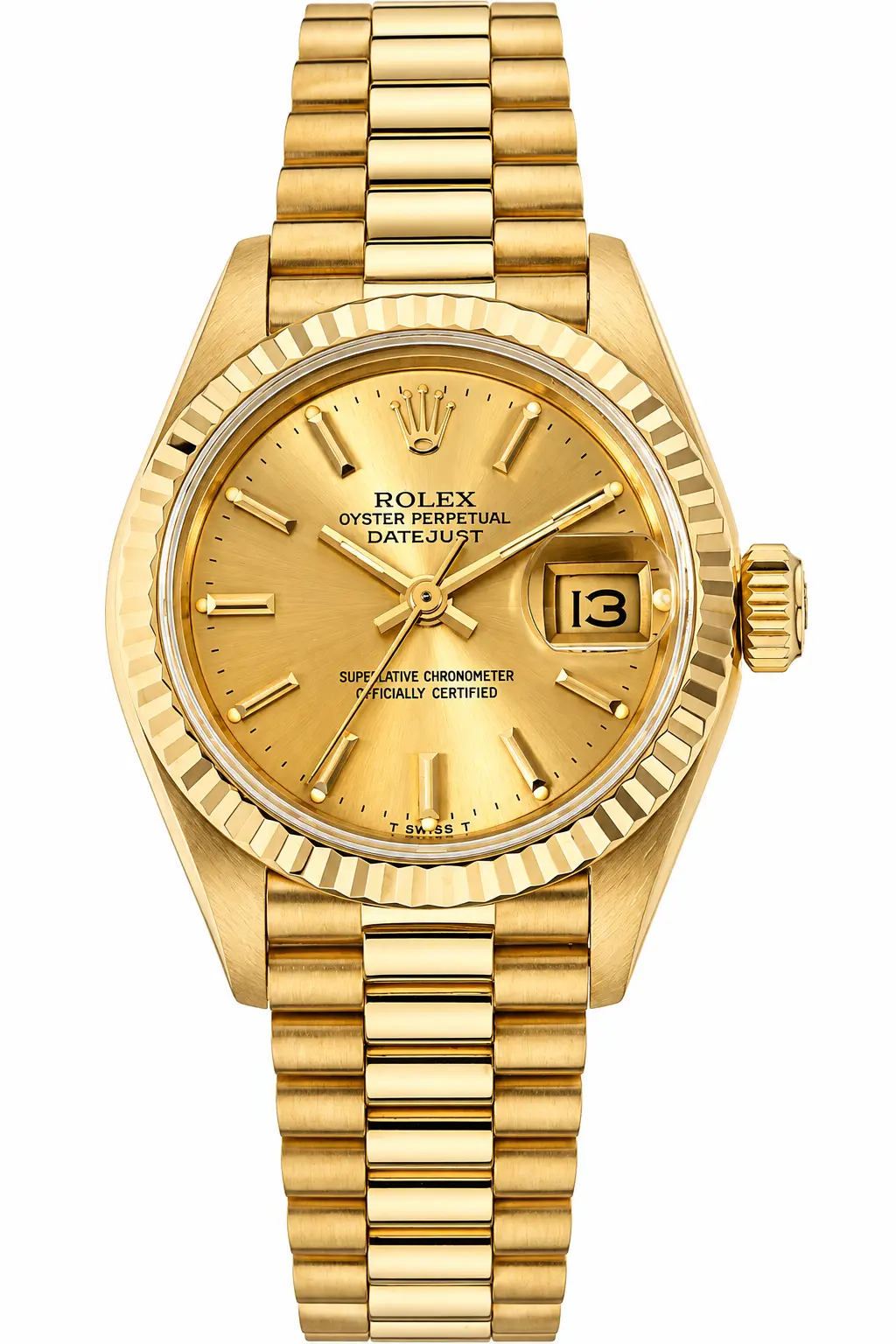
3. John F. Kennedy: United States: OMEGA Slimline
John F. Kennedy's OMEGA Slimline is one of the most historically recognizable watches of a U.S. president. Before the 1960 presidential election, Kennedy was given the watch by his friend, Grant Stockdale.
The watch is interesting in that it bears a personal inscription. Stockdale had the words “President of the United States John F. Kennedy from his friend Grant” engraved on it. The watch was later worn by Kennedy during his swearing in as president in 1961. This connection is made in the historical exhibition material of OMEGA itself.
The watch stands out due to its simple design. The Slimline was a relatively simple and plain presidential watch, as opposed to some of the more ostentatious timepieces worn by presidents. It is significant historically for its association with Kennedy and the occasion of his taking the oath of office as president.
This makes the OMEGA more than just a vintage dress watch for collectors and historians. Its origin links a person to one of the most famous presidential inaugurations in the 20th century.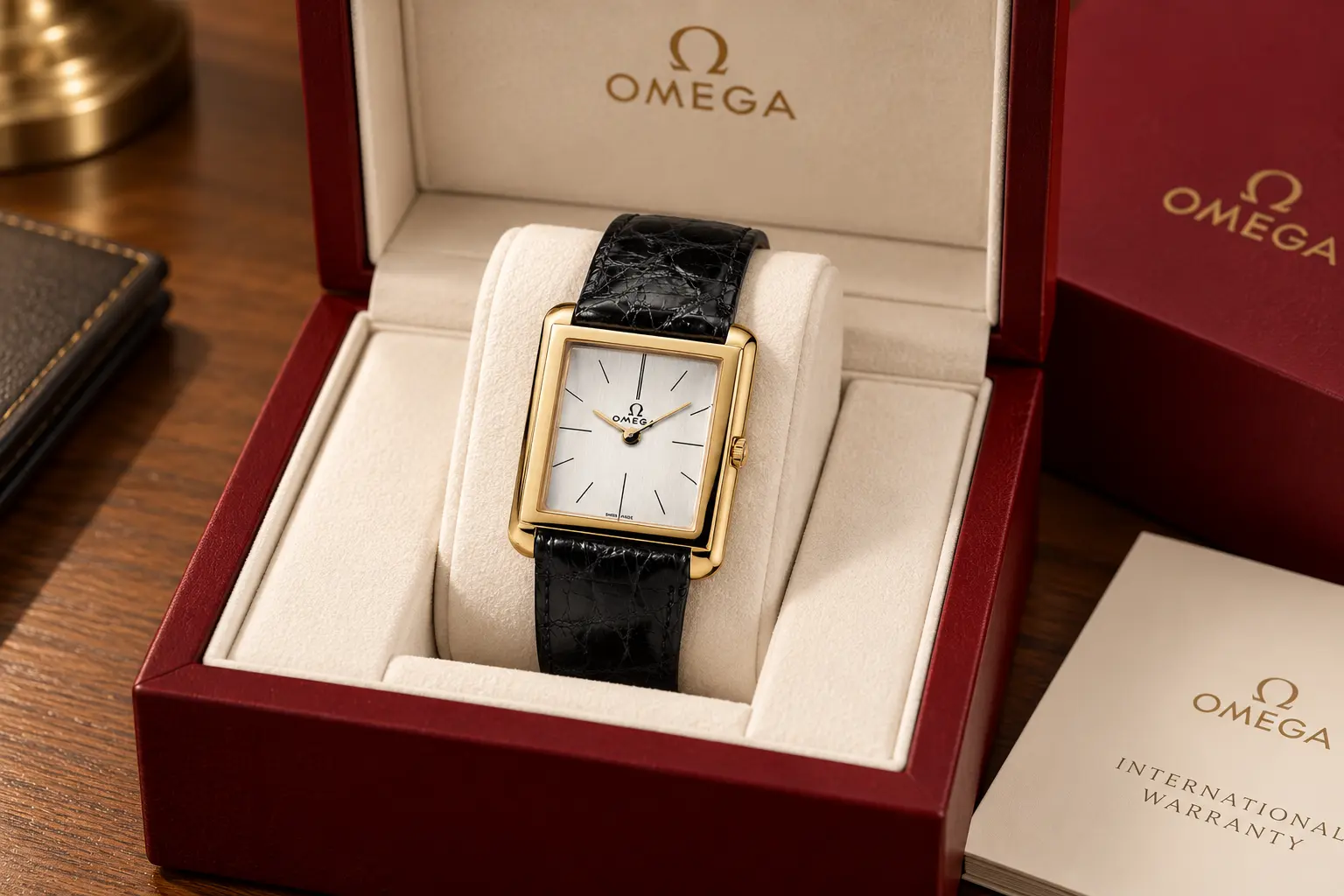
4. Lyndon B. Johnson: United States: Rolex Day-Date
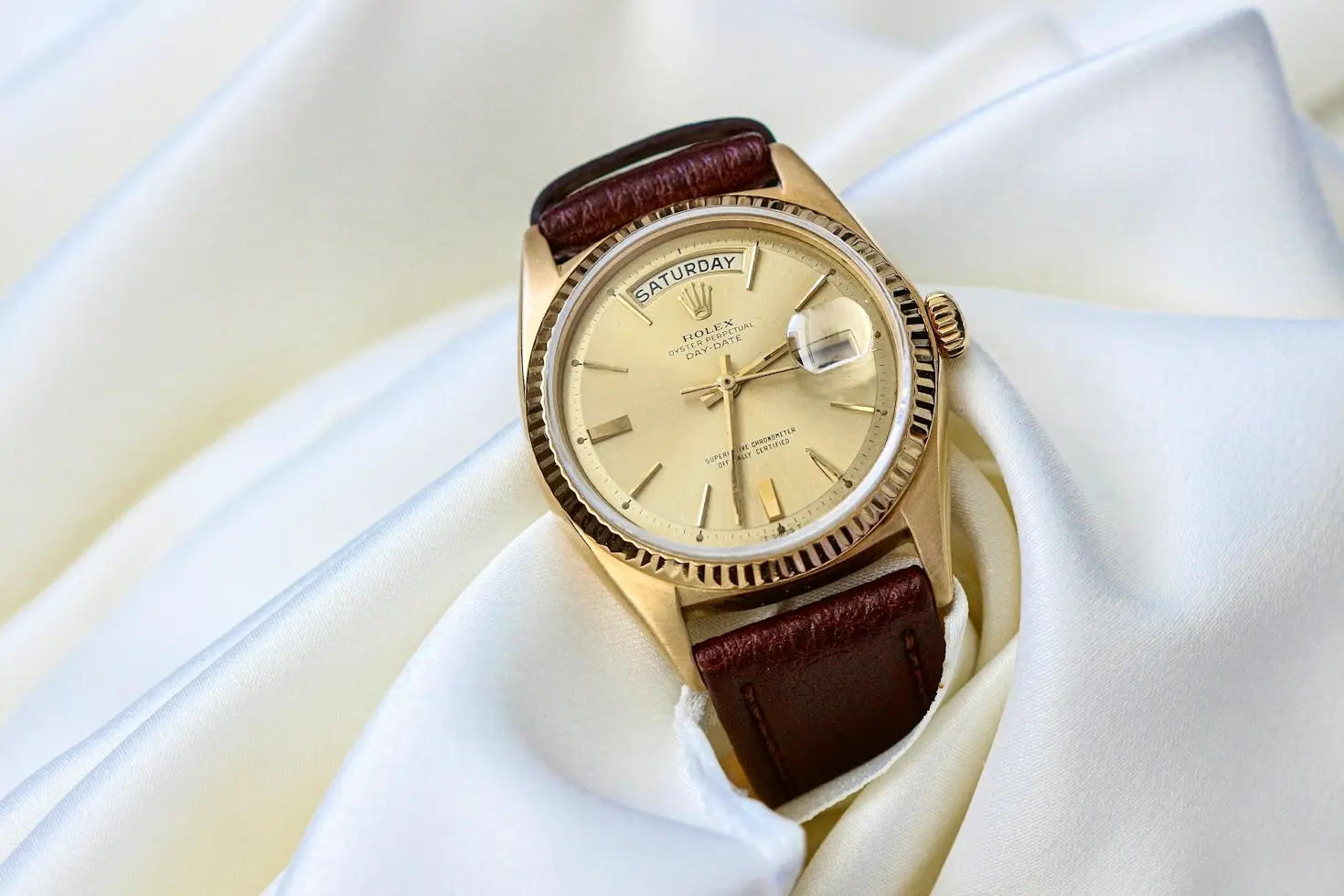
Lyndon B. Johnson is closely linked to the Rolex Day-Date, which later became a well-known watch of presidents and other politicians. The Day-Date was the first wristwatch to show the day of the week in full, as well as the date, and was introduced in 1956.
It was only produced in precious metals and was paired with the Rolex's signature President bracelet. This blend endowed the watch with a formal look and the practical attributes of the Rolex Oyster.
The Day-Date was another link Johnson had with American political leadership. The model was so strongly associated with presidents that it came to be known as the “President's watch."
The day date is also a key example of the status communication of a watch. It was unique among many wristwatches of the era for its full day display, date function, precious metal finish, and distinctive bracelet.
5. Harry S. Truman: United States: Universal Genève Tri-Compax
Harry S. Truman's Universal Genève Tri-Compax watch has a particularly rich historical association, as it was worn at the Potsdam Conference in 1945. The conference was convened to discuss the postwar treatment of Germany and other issues after World War II between Truman, Winston Churchill and Joseph Stalin.
The watch was an impressive example of mid-century watchmaking. The Tri-Compax was a combination of chronograph and full calendar/moon-phase display, providing the wearer with multiple functions in one mechanical movement. The 1944 Tri-Compax is the first industrialized full-calendar chronograph according to Universal Genève.
It is particularly interesting where Truman got his specific watch. It has been identified as an 18-karat yellow-gold Universal Genève Tri-Compax, and the case back is engraved with "Worn at Potsdam July 1945 Harry Truman.
The mix of technical sophistication and documented history makes Truman's Tri-Compax one of the most solid entries on this list. It has links to a key political figure and a key diplomatic event in twentieth-century history.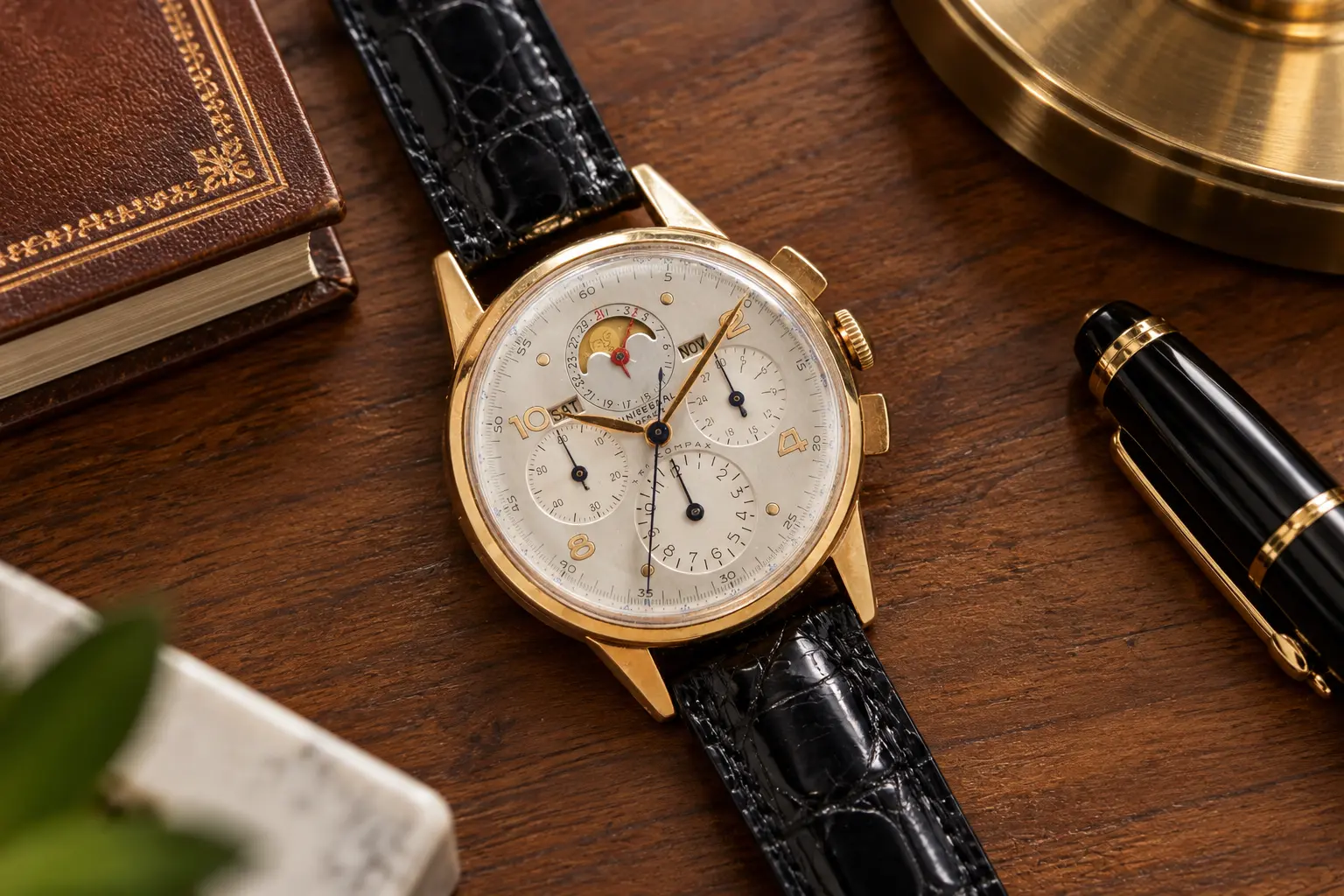
6. Donald Trump: United States: Rolex Day-Date
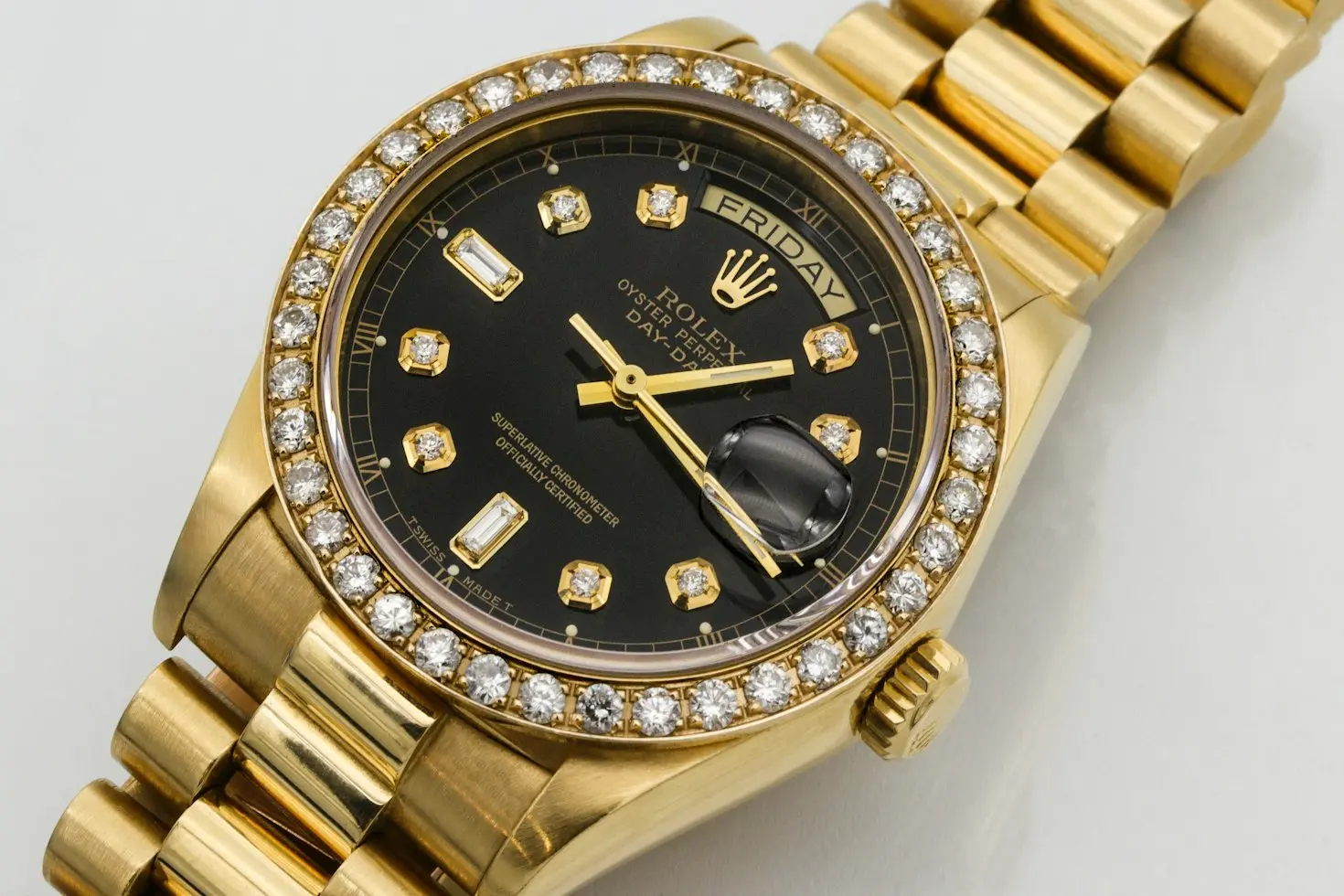
Donald Trump has been seen wearing a number of luxury watches, such as the Donald Trump’s Rolex watches, Patek Philippe Golden Ellipse, and Vacheron Constantin Historiques Ultra-Fine 1968. Of these, the gold Rolex Day-Date is especially significant to the history of presidential watches.
Trump has been seen wearing an 18-karat yellow-gold Rolex Day-Date, even when he's golfing.
The Day-Date's President bracelet makes the model relatively easy to identify, though sometimes it can be hard to determine the exact reference of a particular watch photographed.
His other watches extend his affinity for luxury watchmaking. The Patek Philippe Golden Ellipse is a very different design philosophy, featuring the elliptical case, and the Vacheron Constantin Historiques Ultra-Fine 1968 is one of the thinnest models.
Adding Trump also makes the article more up-to-date. His timepieces reveal that the connection between political leaders, luxury watches and public image has endured beyond the 20th century.
7. Napoleon Bonaparte: France: Breguet Timepieces
Napoleon Bonaparte was an important link in Breguet's history and one of his most renowned customers. According to Breguet's own archives, Napoleon bought three watches before embarking on his Egyptian campaign: a repeating watch, a travel clock and a perpetual watch.
These purchases are especially interesting in that they demonstrate the critical role of portable timekeeping prior to the advent of the modern wristwatch. Repeating mechanisms enabled the user to hear the time and a perpetual calendar could give useful calendar information without frequent adjustment.
The relationship of Napoleon with Breguet also indicates the attitude of the brand towards the political and royal circles of Europe at the time. Napoleon is among Breguet's other famous clients, such as Queen Victoria and Winston Churchill.
Napoleon's Breguet timepieces were pocket watches and travelling clocks, whereas the later presidential watches in this list were wristwatches. They thus serve as a valuable historical comparison and illustrate the history of luxury timepieces that went from intricate portable clocks to the wristwatches that today's leaders wear.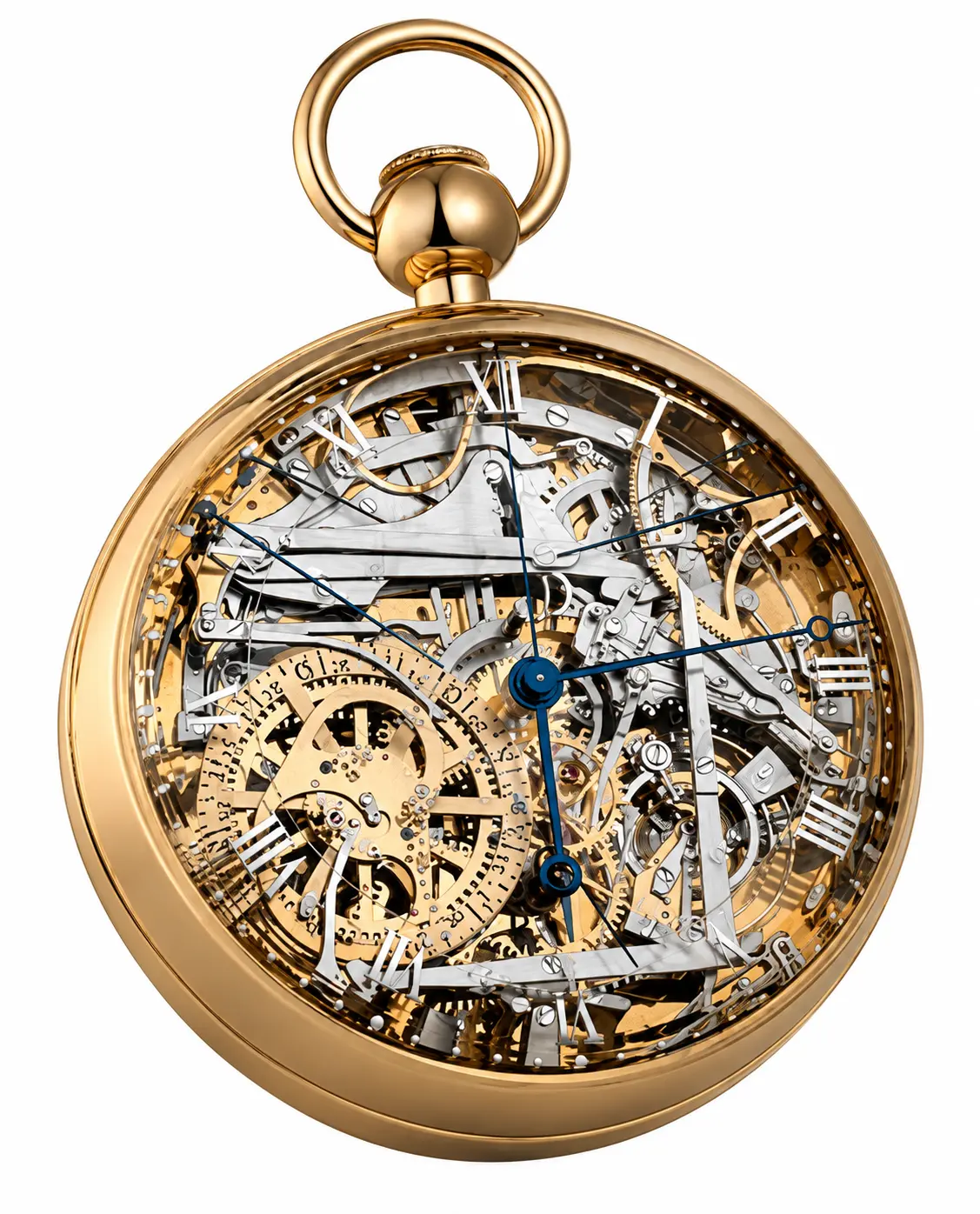
What Do These Watches Tell Us About Watchmaking History?
These historical watches demonstrate the evolution of watchmaking from very complex pocket and personal timepieces to useful modern wristwatches. They also reveal that mechanical watches have always been an amalgamation of engineering, design, taste, and longevity.
The Rise of the Wristwatch
Pocket watches were the most prevalent form of personal timepiece and were widely worn by older historical figures.
Eventually wristwatches were more useful for daily wear. They could be worn on the wrist, so people could see the time without having to put their hands in their pockets.
Eisenhower, King, Johnson and Churchill all wore watches, which can be used to convey the increased significance of the wristwatch in the 20th century.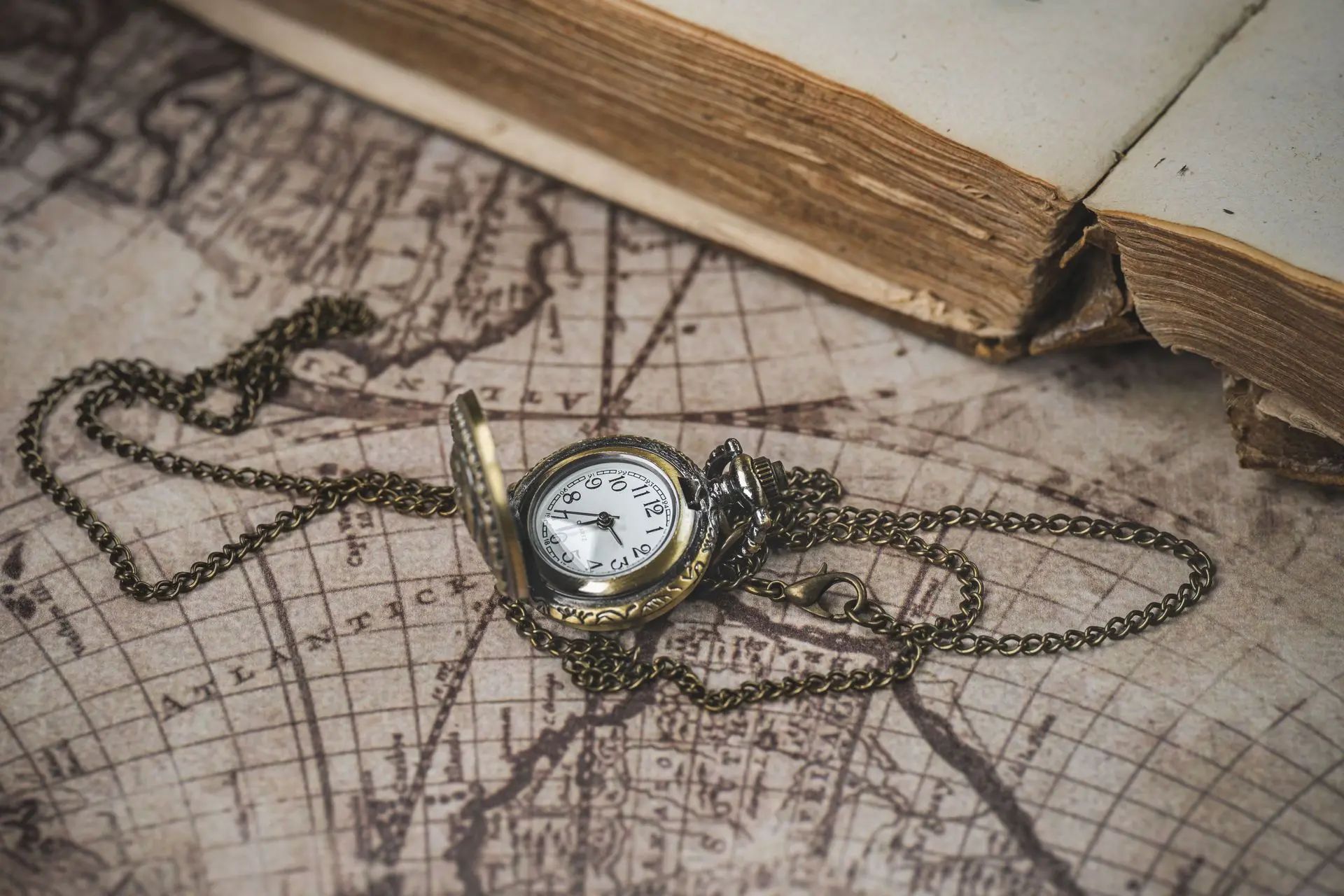
Mechanical Watches and Precision
Mechanical watches of the past may have very complicated functions.
The Breguet No. 765 from Churchill, for instance, featured a chronograph, minute repeater and a flyback.
The Day-Date did things differently. Rolex didn't dwell on the complications but on the fact that both day and date were displayed practically. That full-day display was a brand-new feature when Rolex introduced the model in 1956.
As can be seen from these examples, watchmakers are able to address various problems with various mechanical designs.
Watches as Gifts and Commemorative Objects
Some watches became significant due to being presented to the owner on an important occasion.
The Datejust of Eisenhower is a good illustration. He was given the watch by Rolex after being appointed Supreme Commander of NATO, with his initials on the case back.
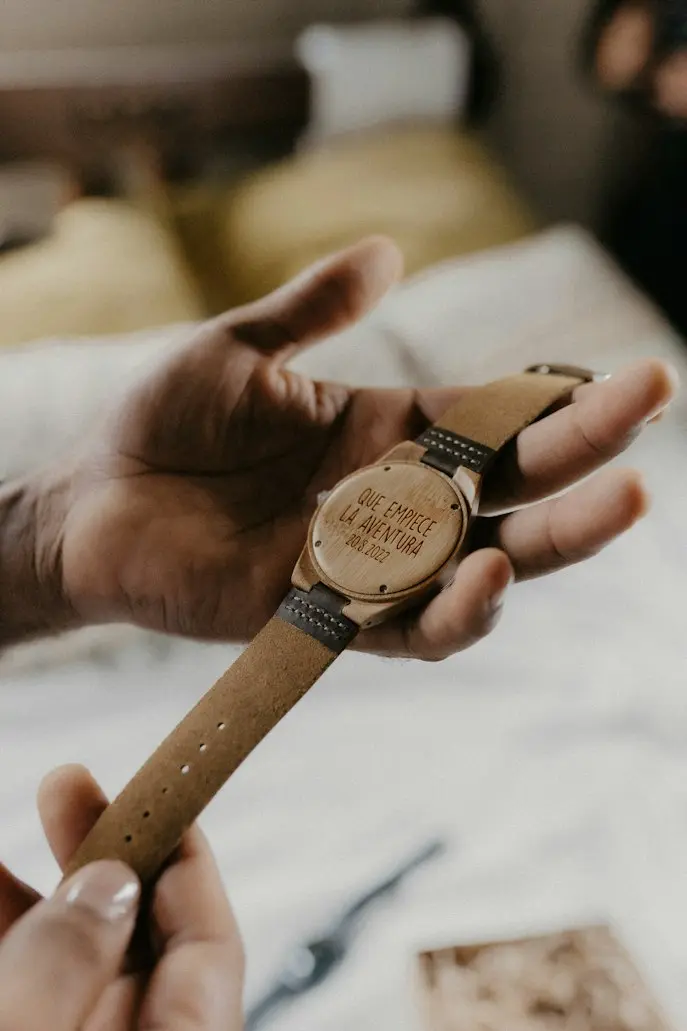
A case back can be engraved to make a watch a personal keepsake. It is capable of capturing a name, date, accomplishment, or relationship without altering the fundamental purpose of the timepiece.
What Makes a Famous Watch Historically Valuable?
Documented provenance, rarity, condition, technical features and association with an important person or event can give a famous watch historical significance. Market value and historical importance are not necessarily the same.
Here are the key factors to take into account:
Factor | What It Means |
Provenance | Reliable evidence has been found indicating the watch's ownership. |
Documentation | The story is supported by archives, records, photographs or inscriptions. |
Historical Context | The watch relates to an important period or event. |
Rarity | There are few examples where the specific piece has unusual characteristics. |
Condition | Collectors like original, well-preserved parts to enhance their interest. |
Watchmaking | Complications and technical innovation can add significance to the whole thing. |
Ownership History | The story is easier to verify if there is a clear chain of ownership. |
Provenance Comes First
If someone claims that a famous leader wore a particular watch, look for evidence.
One useful source is the manufacturer archives. For instance, Breguet has kept historical records since 1775 and records specific relationships between timepieces and clients.
Photographs, letters, receipts, auction records, inscriptions, and museum documentation can help as well.
Historical Context Matters
Historically important watches don't necessarily have to be extremely complicated.
Eisenhower's date just was made important in part due to his NATO appointment. This is reinforced by the inscription on the back of the case.
The Watch's Own Story Matters Too
Don't focus on the owner's name.
Ask:
- What year was the watch made?
- Which movement does it employ?
- What complications does it have?
- Who was the first purchaser?
- Does the case have an inscription?
- Is there a history of ownership?
- Has the watch retained important original parts?
These questions can help you determine if it is a historical timepiece or a mostly rumored story.
How Much Do Watches Worn by World Leaders Cost?
No fixed price for a watch of a world leader. When evaluating a historically important watch, collectors take into account provenance, authenticity, condition, rarity, model, documentation, and auction history.
A regular watch from the same watch family can have a very different value from a particular watch that was owned by a famous historical figure.
An ordinary vintage Datejust does not tell the same story as a Datejust that is documented as having belonged to an important historical figure.
Also do not confuse historical significance with financial value.
A watch may be of tremendous historical significance but not be worth the most on the market. Similarly, a watch that has no famous owner but has a certain technical feature can draw the collectors' attention.
What Can Modern Watch Enthusiasts Learn From These Timepieces?
History has proven that a watch can be truly significant when it has been used over many years, lovingly crafted and surrounded by memories.
It doesn't matter if you don't own a watch that was worn by a president or a famous historical figure to enjoy this idea.
A Watch Can Become Part of Your Story
Consider the watches that you would keep for years.
You could wear one on your first big day at work, while you're traveling, or on your own milestone. In the future, the watch can remind you of those moments.
That intimate association can cause a mechanical watch to look and feel quite different from an ordinary disposable object.
Mechanical Watchmaking Is Built Around Longevity
The Breguet of Churchill is a good example of history. He never stopped using No. 765 and even took it back to Breguet for servicing.
That relationship is an important factor in mechanical watch ownership; regular maintenance can keep a mechanical timepiece useful for generations.
Function and Design Can Work Together
Useful functions don't have to be at the expense of character, either, as historical watches demonstrate.
Day-Date: Displays the day and date. The Breguet No. 765 is an amalgamation of a number of sophisticated chronograph and repeater features. Different watches take different attitudes towards timekeeping.
This is the same general concept we have at Leitzeit: a mechanical watch should be more than just a timepiece. Our watches are designed with mechanical craftsmanship and long lasting design, along with practical features.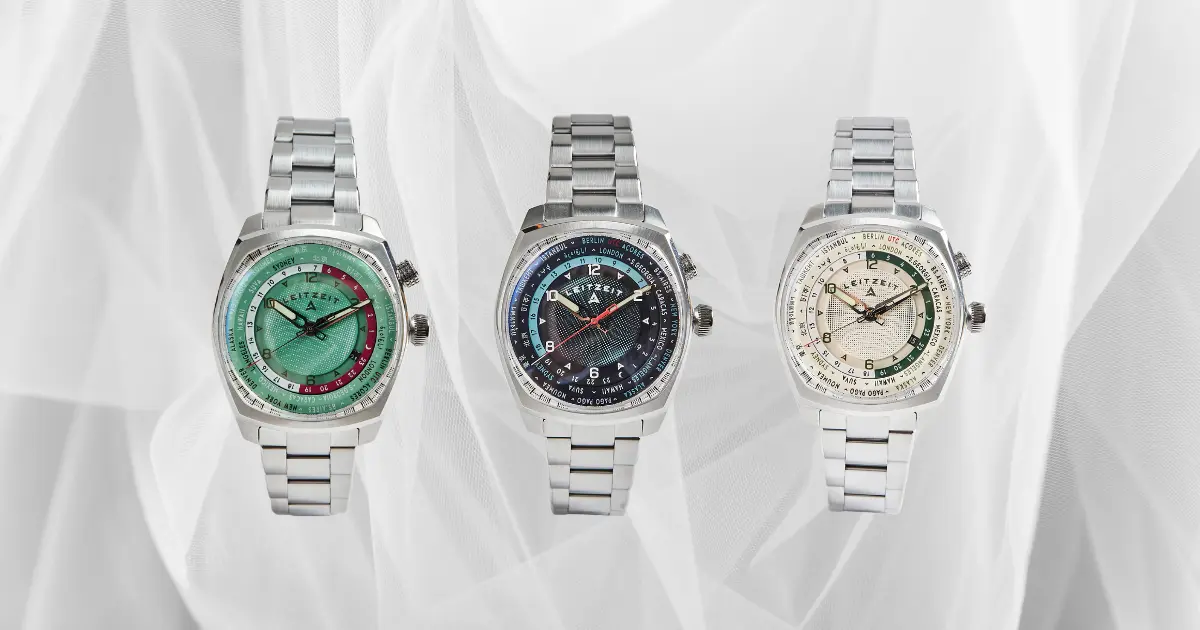
Why Do Collectors Care About Watch Provenance?
Provenance is important to collectors because it can help verify authenticity and provide a verifiable story to a watch.
Suppose that there are two identical vintage watches.
No known history for one. The other has original documents, a clear chain of ownership, photographs and a manufacturer record.
The second watch provides a lot more information about its journey.
This is also the basis for the importance of archives. Breguet also has watch records, order records, and client relationships, which can be traced for historical connections by researchers and collectors.
When conducting serious research, always separate:
From fact to documented fact to supported claim to unverified story.
It is a simple method that can make historical watch research a lot more reliable.
The Legacy of Watches Worn by World Leaders
Not all of the world's leaders wear the most interesting watches just because they're famous. It is a blend of provenance, craftsmanship, historical context, and the narrative tied to each timepiece that makes them so appealing.
The Breguet No. 765 was a watch owned by Churchill throughout his life and one that had a complex mechanical history. Eisenhower's Datejust is a watch that's linked to a pivotal moment in his career. The Day-Date became closely associated with presidents and influential figures; Breguet's records link the Maison to historical personalities like Napoleon and Queen Victoria.
- At Leitzeit, we feel this history demonstrates why mechanical watches are still relevant today. We want to make watches that can share in your life's moments, that can be a part of your story.
Explore a modern mechanical watch based on the concept of connecting the different parts of the world through time with our Axis Mundi, our first worldtimer.
The historical watch can tell you where it has been. Your watch can be a part of where you're going.
Conclusion: Watches Worn by World Leadrers and the Stories They Leave Behind
Watches worn by world leaders offer you a special opportunity to learn about history and mechanical watchmaking. Whether it's Churchill's Breguet No. 765 or Eisenhower's Rolex Datejust, these watches demonstrate how craftsmanship, personal ownership, and historical events can make a watch more than just a timepiece.
At Leitzeit, we take this concept into modern mechanical watchmaking. Our watches are made to go through various moments, places and experiences, with mechanical timekeeping at the core. Explore our Axis Mundi, our first worldtimer, and experience a timepiece built for a world in constant motion.
For a watch to be part of history, it doesn't have to be from a world leader. It just needs to be with you for a while to become part of your story.
Frequently Asked Questions
What watches have world leaders worn?
Some of these associations have been documented, such as Winston Churchill's Breguet No. 765, Dwight D. Eisenhower's Rolex Datejust, Lyndon B. Johnson's Rolex Day-Date and a Rolex Datejust belonging to Martin Luther King Jr. Rolex and Breguet offer historical records of some of these associations.
What Rolex watches have presidents worn?
Both the Rolex Datejust and Rolex Day-Date have been linked to political leaders and presidents. Rolex associates Eisenhower with a Datejust and Lyndon B. Johnson with the Day-Date.
What watch did Winston Churchill wear?
Winston Churchill wore Breguet No. 765, a complicated mechanical watch that had a chronograph, minute repeater, and flyback function. According to Breguet records, Churchill wore this watch throughout his life and had it serviced at the Maison.
Churchill also owned a separate Rolex Datejust which Rolex claims was presented to him in 1945 by Hans Wilsdorf.
Why are watches owned by famous historical figures valuable?
They may be of value due to their documented provenance, rarity, condition, authenticity, technical features, and historical significance. A clear ownership record can make one particular watch of a certain model much more interesting to collectors than another of the same model.
Can a modern mechanical watch become a historical timepiece?
Yes. A modern mechanical watch can be historically significant if it was owned for a long time, has a documented history, and was important to the person who owned it, and if it was well-preserved. The story unfolds over the years as the watch goes with its owner and is handed down through generations.