When you consider watches today, you probably picture a wristwatch. It is convenient to wear, fast to check, and comes in an unlimited variety of styles. But until the invention of wristwatches, pocket watches dominated the field of timekeeping over hundreds of years.
Pocket watches vs wristwatches is more than a time-telling story. It demonstrates the way the lifestyles, technology, fashion, and culture of people have evolved throughout the centuries. Pocket watches used to be a symbol of wealth, craft and status. Wristwatches were subsequently used as a symbol of convenience, accuracy, and individuality.
When you want to select your next watch, start a collection, or just want to know more about how timepieces have developed, this guide will help you see the major differences. You will hear about the development of each style, why pocket watches were later replaced by wristwatches, and how each of them has a place in the watch industry.
Pocket Watches vs Wristwatches: Quick Comparison
Feature | Pocket Watches | Wristwatches |
First Introduced | 16th Century | Early 20th Century |
How You Wear It | Carried in a pocket with a chain | Worn on the wrist |
Everyday Convenience | Moderate | Excellent |
Best For | Collecting, formal occasions, vintage style | Daily wear, work, travel, sports |
Fashion Appeal | Classic and elegant | Modern and versatile |
Accessibility | Requires removing from pocket | Easy to check instantly |
Popular Today | Mostly collectors and enthusiasts | Most people worldwide |
The History of Pocket Watches vs Wristwatches
Knowing the history of pocket watches vs wristwatches will make you understand why each type of watch gained popularity at different times.
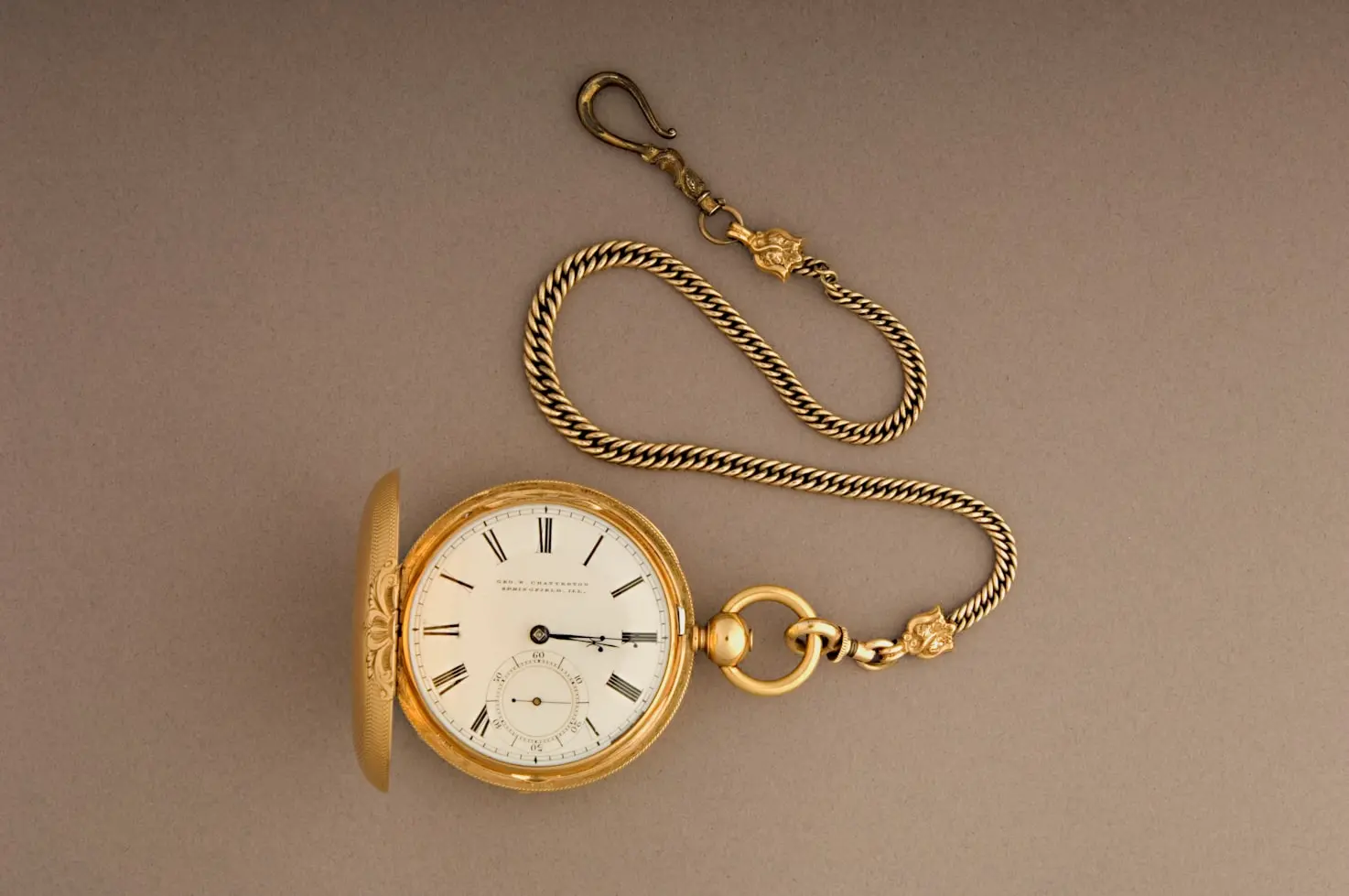
How Pocket Watches Became the First Portable Timepieces
Prior to the invention of pocket watches, individuals had to use big public clocks, church bells, or sundials to determine the time. The situation was altered in the early 1500s when the Europeans developed the first portable mechanical watches.
These early watches bore little resemblance to the current watches. They were heavy, bulky, and not very precise. Nevertheless, they gave people something they had never had before: the ability to carry time with them.
With the advancement of watchmaking, smaller and more dependable pocket watches were produced. They were rapidly adopted by wealthy families, business owners, government officials and travelers, as they were both functional and luxurious.
When Wristwatches First Appeared
Wristwatches are not as new as many people may think they are. The first models appeared in the 1800s, and most people viewed them as ornaments rather than utilities.
A number of men favored pocket watches because they considered wristwatches too dainty for everyday use. Pocket watches were a symbol of prestige and professionalism at the time.
Several decades later, everything was different.
Why Pocket Watches Dominated for Centuries
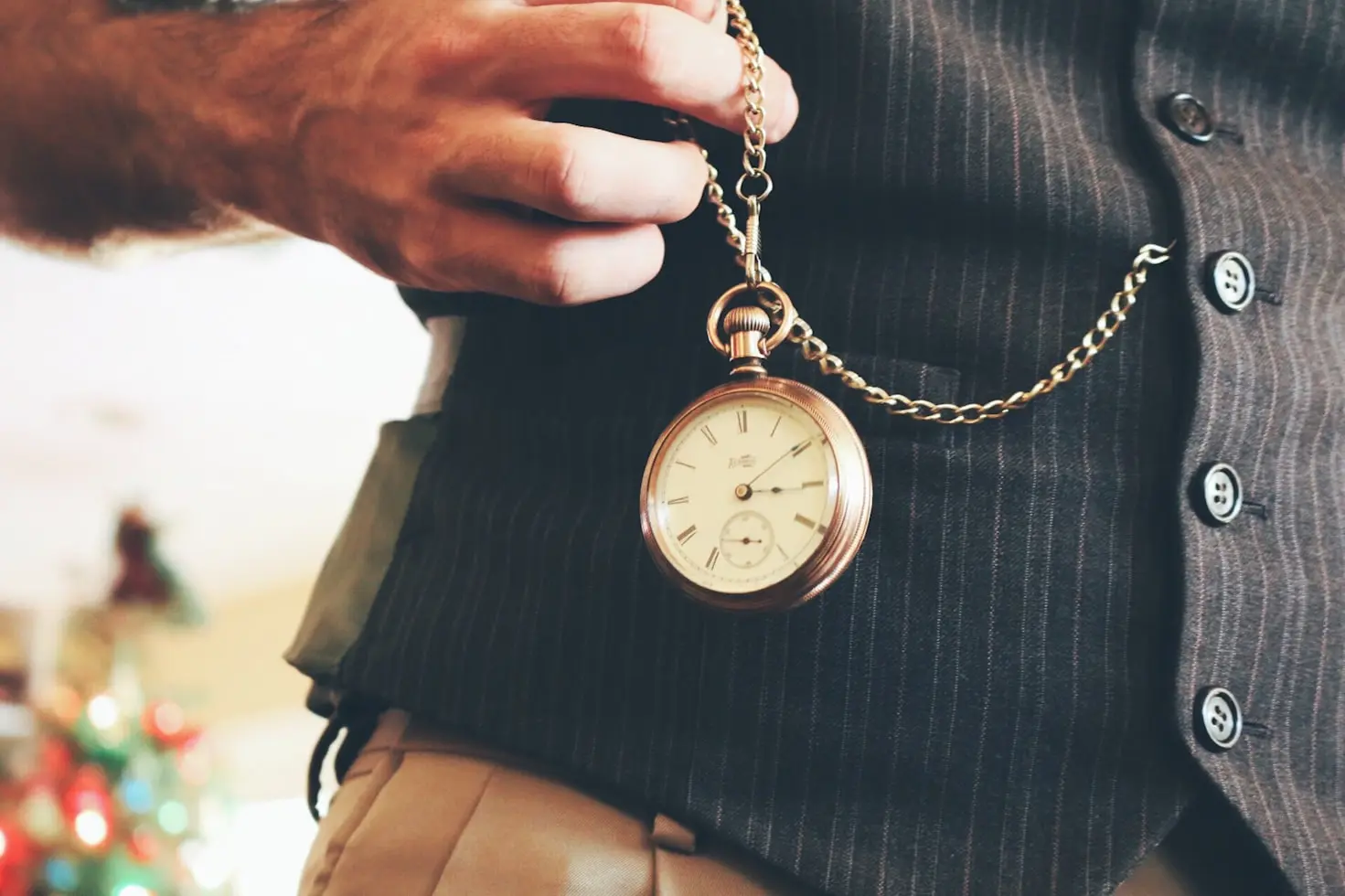
Pocket watches were the favorite of businessmen, workers on the railways, military officers, and gentlemen for almost 300 years.
They were successful due to several factors:
- Skilled craftsmanship
- Beautiful engraved cases
- Reliable mechanical movements
- Easy storage inside jackets or waistcoats
Possession of a fine pocket watch was a sign of financial prosperity and taste. Most families even used to give them as heirlooms across generations.
How World War I Changed Everything
World War I was one of the most significant events in the history of watches.
During combat, soldiers had to have both hands free when operating equipment, reading maps or fighting. It took precious seconds to take a watch out of a pocket. Wristwatches allowed soldiers to determine the time instantly.
Wristwatches were not fashionable accessories but proved to be practical, as military success showed. When the war was over, returning soldiers still wore them, and soon civilians began to imitate them.
By the 1920s, wristwatches had overtaken pocket watches in popularity across much of Europe and North America. Returning soldiers continued wearing them in civilian life, and many people adopted wristwatches because they were faster and more practical for everyday use. This shift marked one of the biggest turning points in modern watch history.
This was a turning point in the history of watchmaking.
The Rise of Wristwatches in the 20th Century
During the 1900s, wristwatches became smaller, stronger, and more precise.
Manufacturers came up with waterproof cases, automatic movements, shock resistance and tough materials. Sports, aviation, diving, and business influenced new designs.
Meanwhile, fashion was also a significant factor. People no longer considered watches a mere tool. They turned into a statement of character and way of life.
Wristwatches are the most popular traditional timepieces in the world and pocket watches are still of interest to collectors and vintage lovers.
At Leitzeit, we regularly study the history and craftsmanship behind classic timepieces to better understand what makes a watch truly timeless. While modern wristwatches dominate everyday wear, we also appreciate the engineering and heritage of pocket watches. Understanding both styles helps you choose a watch that matches your lifestyle rather than simply following trends.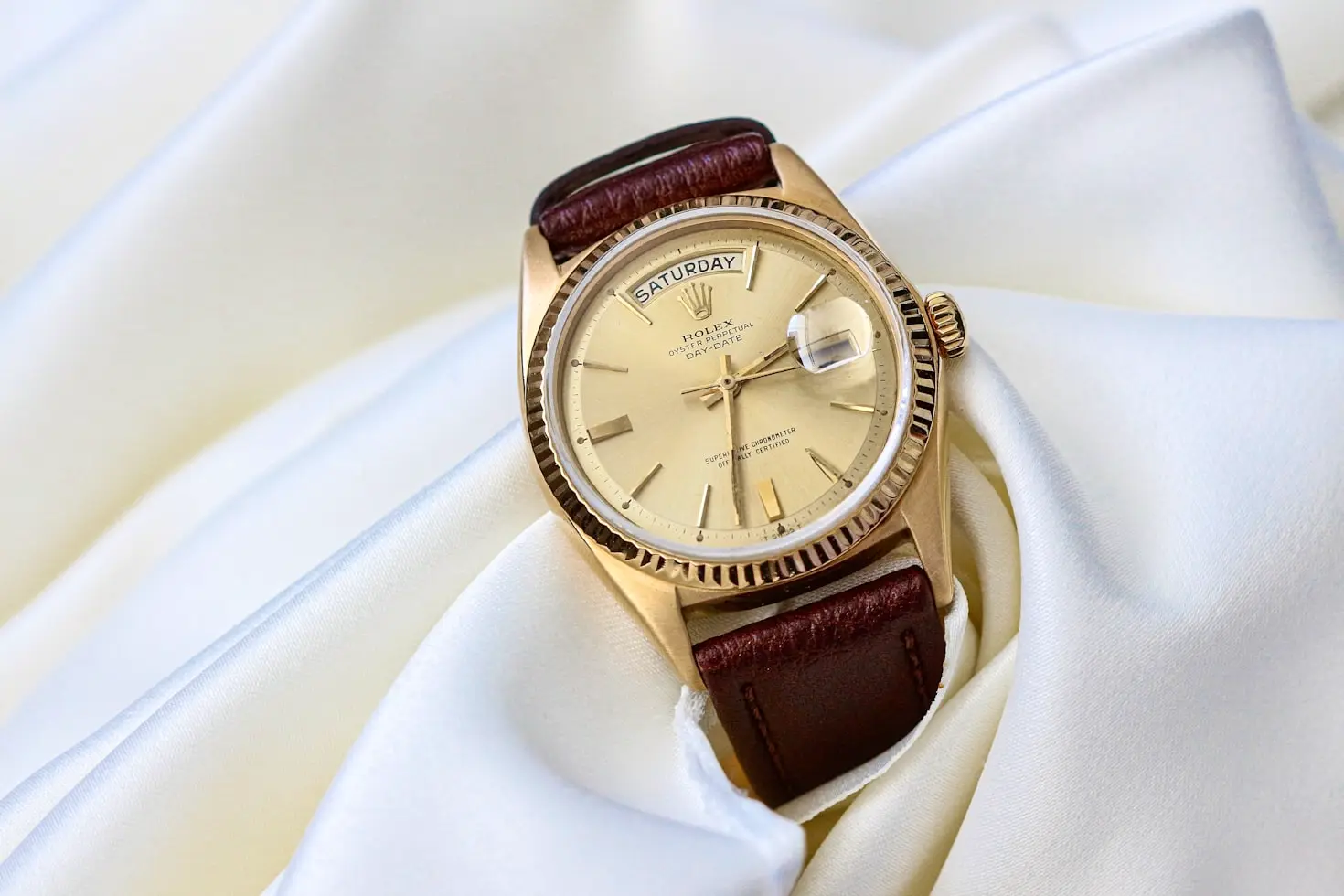
Timeline: From Pocket Watches to Wristwatches
Period | Major Development |
Early 1500s | The earliest pocket watches are seen in Europe. |
1600s–1800s | Pocket watches turn into status symbols of luxury and workmanship. |
Late 1800s | Early wristwatches are produced, primarily in the form of jewelry. |
1914–1918 | The practical use of wrist watches is fueled by World War I. |
Mid-1900s | Wristwatches become the global standard for personal timekeeping. |
Today | Both styles remain popular for different reasons |
Pocket Watches vs Wristwatches: Design Evolution
The design differences between pocket watches vs wristwatches show how each style evolved to meet the needs of different generations.
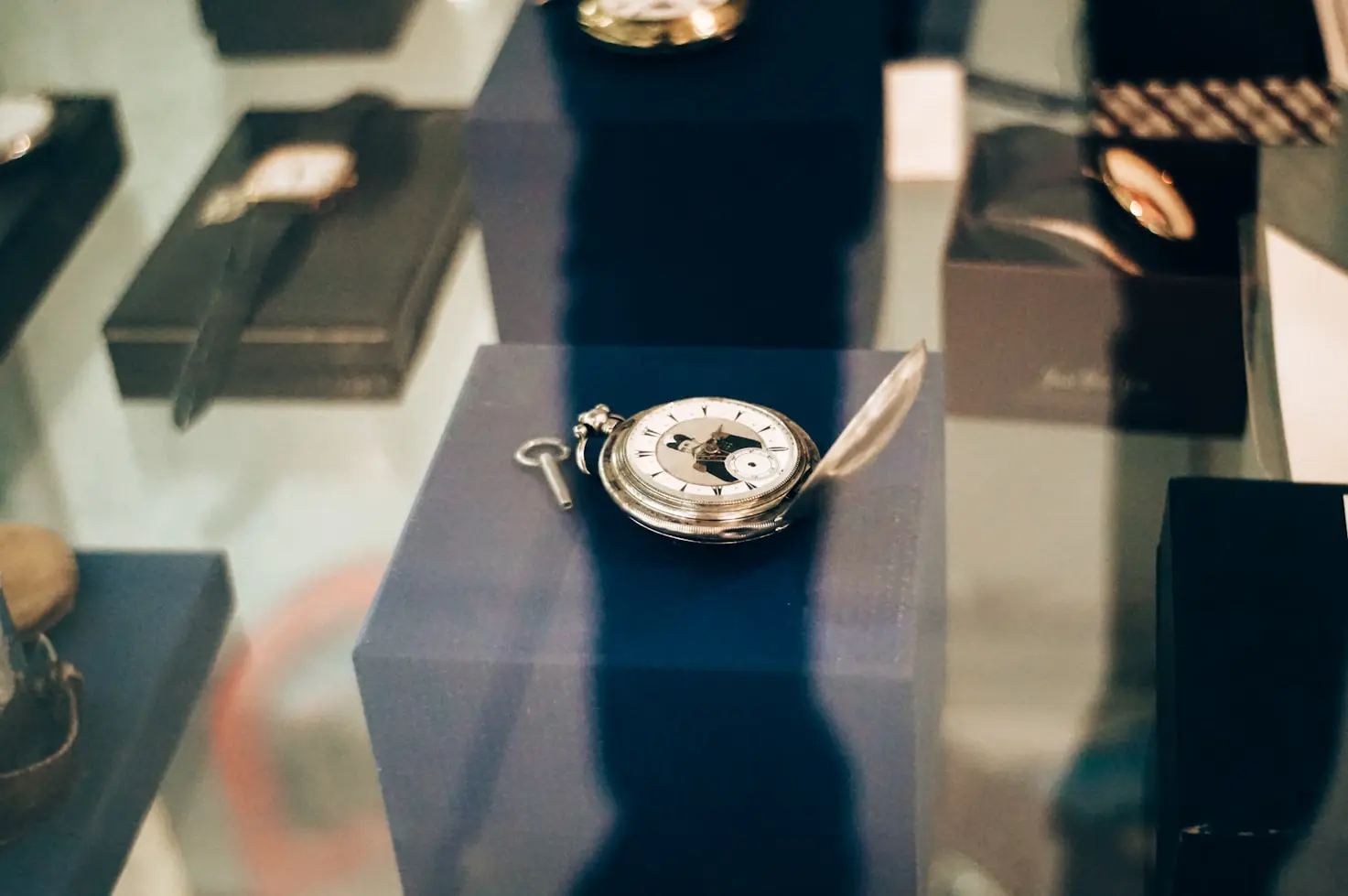
How Pocket Watch Designs Reflect Traditional Craftsmanship
Pocket watches are about design and mechanical craftsmanship.
They mostly feature highly engraved, meticulously finished metal cases, ornamented dials, Roman numerals, and elaborate mechanisms, which professional watchmakers carefully put together.
Most of the old pocket watches also have chains and are therefore convenient and fashionable. They still have a timeless look that appeals to collectors who value the old-fashioned craftsmanship.
When you are in possession of a well-crafted pocket watch, you find yourself observing the details that have been taken care of prior to even glancing at the time.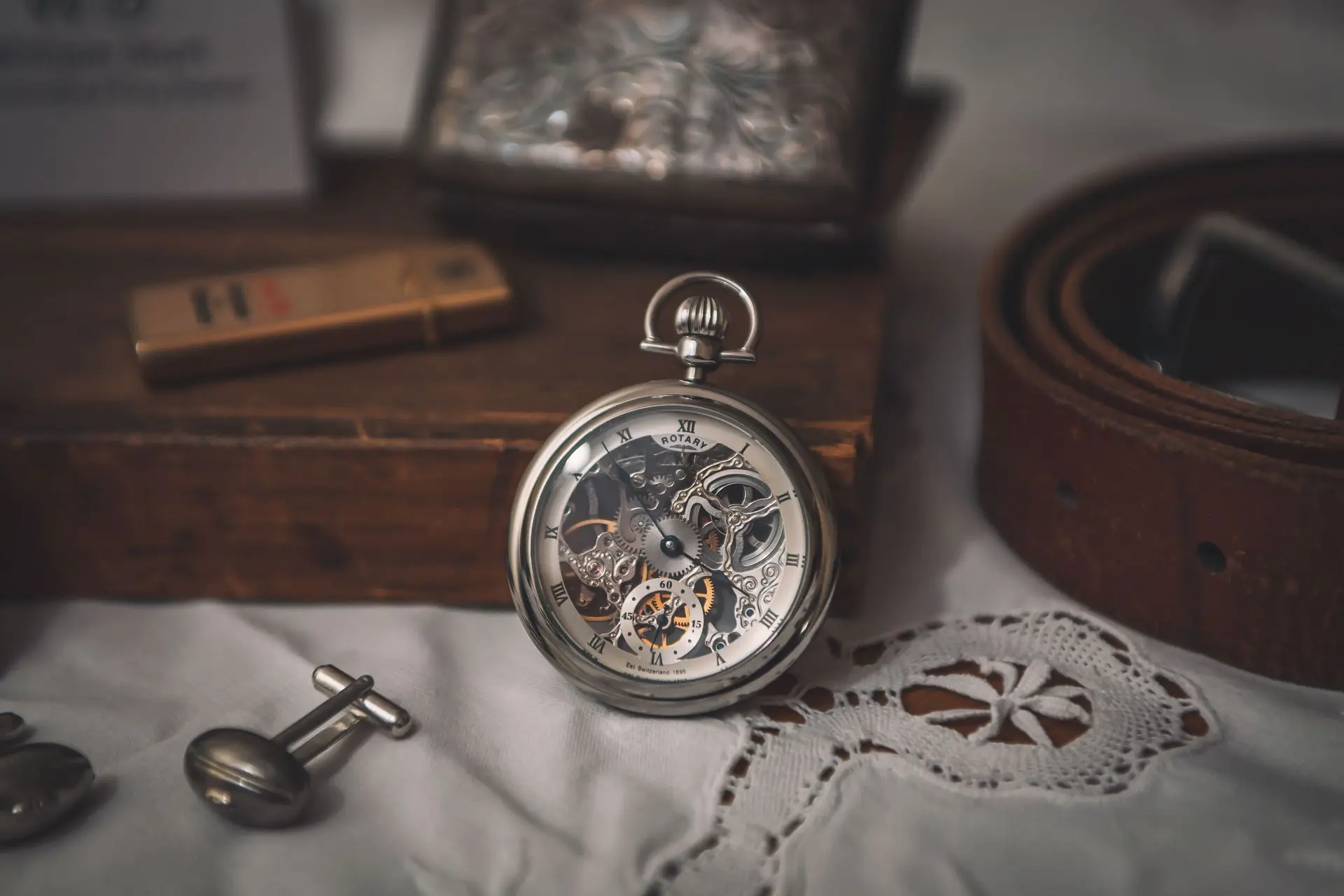
How Wristwatch Designs Adapted to Modern Lifestyles
Wristwatches changed to suit more fast-paced lifestyles.
You do not need to have a watch in your pocket, but just raise your wrist. This minor design modification made the work of sportsmen, travelers, and professionals more convenient.
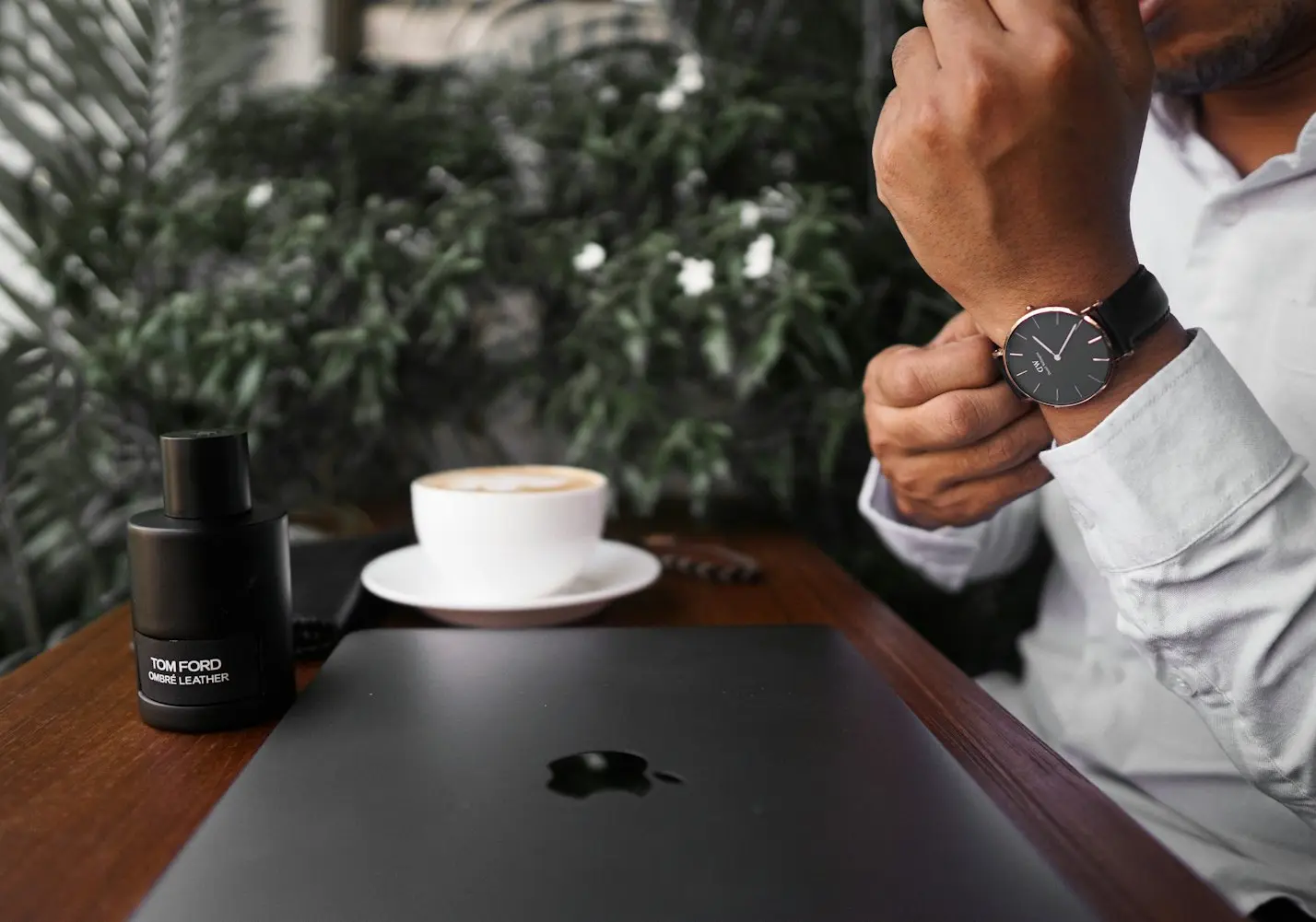
There is also increased variety in modern wrist watches. You have the option of minimalist dress watches, rugged field watches, professional dive watches, pilot watches, chronographs or luxury sports models.
The choice is flexible, and you can fit your watch to the various occasions and personal styles.
Materials, Cases, and Watch Movements Compared
Both wristwatches and pocket watches are made of high-quality materials, but the manufacturers make them to serve different purposes.
Pocket watches can be stainless steel, sterling silver, gold, or antique. Their cases safeguard the movement and emphasize traditional craftsmanship.
Wristwatches tend to focus on durability and style. The new designs use stainless steel, titanium, ceramic, sapphire crystal, and other sophisticated materials that resist scratching and wear.
- At Leitzeit, we feel that all watches must be reliable and at the same time have a classic design. Our brands embrace the art of traditional watchmaking and fulfill the demands of contemporary lifestyles, enabling you to experience years of artisanship.
When evaluating a watch, experienced collectors often look beyond its appearance. The quality of the movement, the case material, the crystal, and the overall finishing all play an important role in long-term performance. These details often determine how well a watch ages and how enjoyable it is to own for years.
Pocket Watches vs Wristwatches: Practicality in Everyday Life
Where watches originated, history will tell you, but why people abandoned one style and adopted another, practicality will tell you. When comparing pocket watches vs wristwatches in everyday life, practicality becomes one of the biggest deciding factors.
Which Is Easier to Carry?
Wristwatches have a definite advantage here.
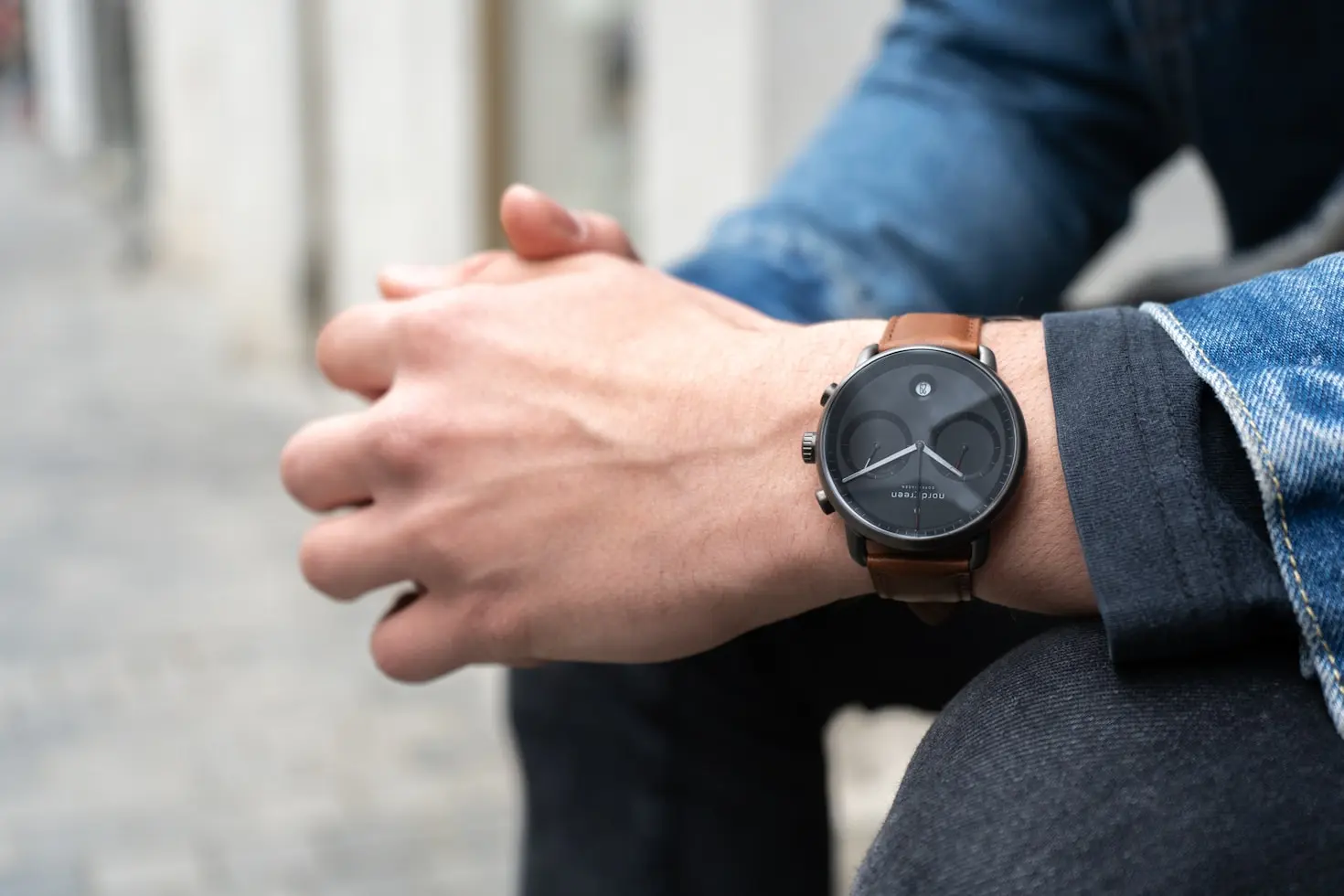
A wristwatch is fastened to your wrist. There, you can look at the time with a glance. You do not have to stop whatever you are doing, whether you are driving, walking, working, or shopping.
A pocket watch takes an extra step. You must put your hand into your pocket, take out the watch, and put it in again. Although this is classy, it is not very convenient when time is required often.
- Winner: Wristwatch
Which Is Faster to Read?
Consider that you are rushing to take a train or that you have a crucial meeting.
A wristwatch is just a matter of turning your wrist and reading the time. This velocity was particularly significant in World War I, as troops had to organize the movements without deceleration.
Pocket watches are good, but you need to move it more before you can tell the time.
Wristwatches are more convenient to the busy lifestyle of today.
- Winner: Wristwatch

Comfort and Daily Wear
Your routine is what comforts you.
When you are wearing a suit to some formal occasions, you can have a pocket watch to give you a vintage look without weighing down your arm.
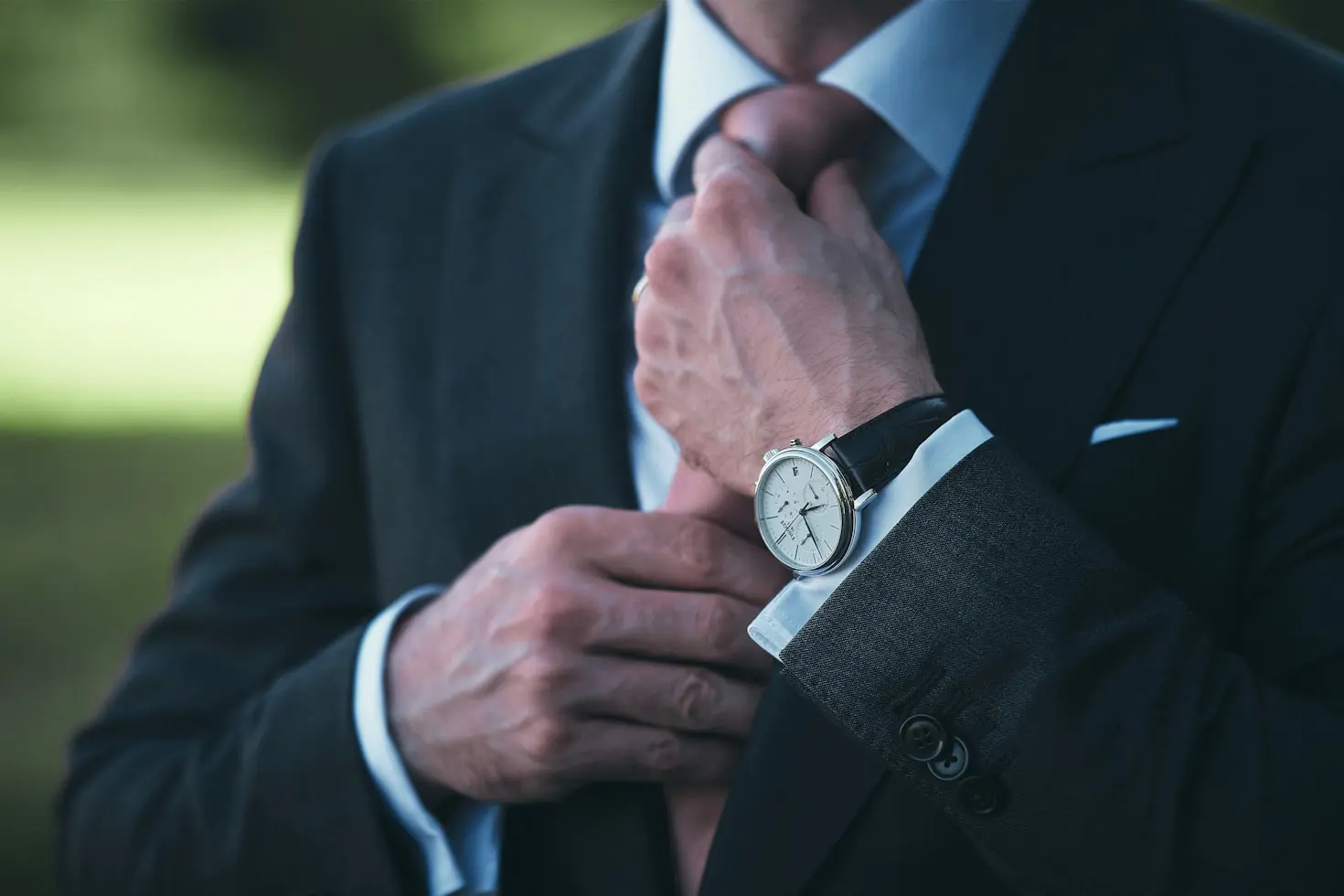
In the day-to-day operations, the majority of the population uses wristwatches since they will remain there during the day. You can wear it when you are working, traveling, exercising or during a meeting.
In the modern watch straps, leather, stainless steel, rubber, nylon, and fabric are also available, and one can easily find a comfortable fit.
- Winner: Daily use wristwatch, formal occasions pocket watch.
Durability for Modern Lifestyles
Life in the present day can be hectic.
You can hit your watch on the desk, leave it in the rain, or even hike with it.
Most wrist watches have added such features as scratch-resistant sapphire crystal, waterproofing, shock protection, and tough cases.
Pocket watches are typically kept in your pocket; however, when you fall and break one on a hard surface, it may break the case and the mechanism.
When durability is the most important, a good wrist watch can generally cope with everyday challenges.
- Winner: Wristwatch
Maintenance and Servicing
Both mechanical pocket watches and mechanical wristwatches need regular servicing to keep accurate time.
Pocket watches are also less likely to have external components since they are not attached with straps or bracelets. Nevertheless, most of the older models need skilled watchmakers who are knowledgeable about older movements.
The wristwatch of today is usually simpler to service because you can more readily replace the parts.
Regardless of the style you decide on, frequent servicing will make your watch last decades.
- Expert Tip: In case you own a mechanical watch, then it is strongly suggested to have it serviced by a professional after every few years as per the recommendation of the manufacturer.
Accuracy and Reliability
The early pocket watches used to lose a few minutes a day due to the lack of technology.
Today's mechanical and quartz wristwatches offer much better accuracy thanks to improved engineering and manufacturing.
That is not to say that all wrist watches are inherently more accurate than all pocket watches. Even a pocket watch that is in good condition can do a very good job.
Rather than just paying attention to the style, consider the movement, quality of build, and history of servicing.
Which Watch Is Better for Travel?
Travel requires convenience.
You can be required to check departure times, airports, or various schedules during the day.
A wristwatch will allow you to do it without having to rummage through your pockets or open a bag.
Pocket watches are fine when traveling casually or on a formal occasion, whereas wristwatches are much more appropriate when traveling.
- Winner: Wristwatch
Pocket Watches vs Wristwatches: Cultural Evolution
The tale of pocket watches vs wristwatches is also a tale of changing lifestyles. With the development of the society, watches developed.
Pocket Watches as a Symbol of Wealth and Prestige
It was a lot more than time-telling to have a pocket watch centuries ago.
Such watches were frequently hand-engraved, made of precious metals, and elaborately crafted. Most businessmen, politicians, and prosperous merchants had pocket watches to demonstrate their social status.
Pocket watches were also considered heirlooms by families. They were frequently bequeathed by parents to their offspring and thus became not only a representation of family history but also of individual achievement.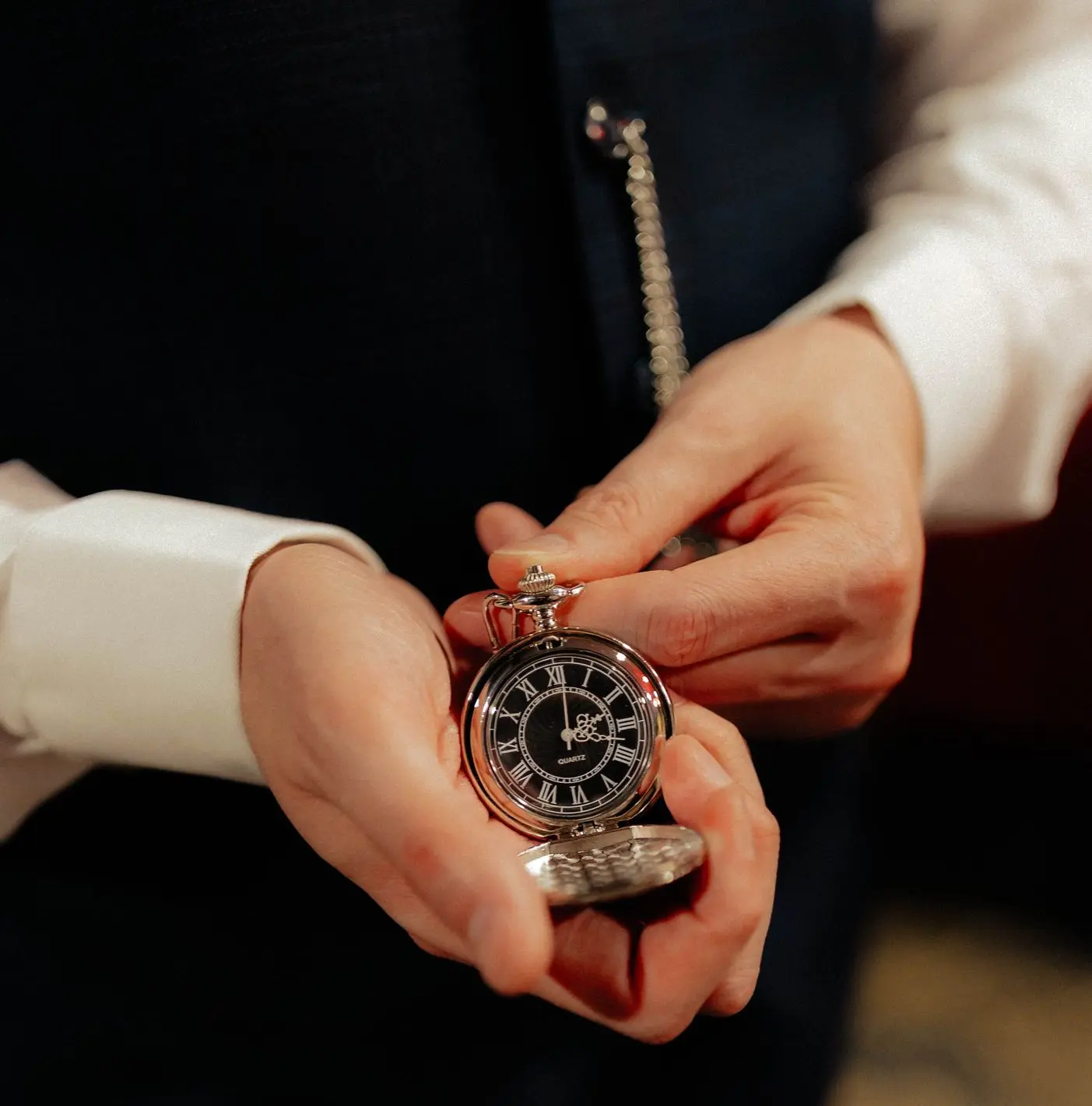
How Wristwatches Became a Military Essential
Pocket watches were beautiful, yet they were not able to handle all the challenges.
In World War I, military officers had to have the time quickly at hand and have both hands available.
Wristwatches have eliminated that issue.
What began as military gear became common fashion. The war did not stop soldiers who had gone back to their homes from wearing wristwatches, and this was an inspiration to millions of civilians who began wearing them.
This change in practice aided in the replacement of pocket watches with wristwatches in the global arena.
The Influence of Hollywood, Celebrities, and Fashion
Watch trends were largely influenced by movies and well-known celebrities.
Hollywood stars, sportspeople, and business executives tended to wear fancy wristwatches, which symbolized prosperity and achievement.
With the development of fashion, wristwatches were not merely timepieces. They turned into accessories that suited various outfits, professions, and lifestyles.
Pocket watches were less frequently found in everyday fashion, yet they were still used in period films, weddings, historical events, and vintage collections.
Watches as Personal Identity and Status Symbols
Your watch speaks about your personality today.
Others will opt to have a pocket watch due to their interest in history, artisanship, and vintage design.
Some people are fond of wristwatches due to their convenience, versatility, and the latest technology.
There is no right or wrong choice. They represent various interests and lifestyles.
- At Leitzeit, we are of the opinion that a watch ought to be more than a time piece. It must be a mirror of your personality, a hymn of good craftsmanship and something you will wear over the years.
Why Pocket Watches Became Niche While Wristwatches Went Mainstream
There are a number of reasons why wristwatches became the standard of the world.
Individuals started leading more hectic lives. Horse-drawn transportation was substituted by cars. Office work expanded. Sports became more popular. Air travel connected countries.
Each of these changes made the quick and convenient timekeeping more necessary.
Pocket watches never lost their beauty. They merely got specialized.
Pocket watches are still valued by collectors, history lovers, and vintage fashion lovers because of their craftsmanship and classicism.
The Revival of Vintage Pocket Watches
Even though the wristwatch is the leading watch in the market today, pocket watches have not been forgotten.
Old models are sought after by many collectors due to their historical significance and their distinctive mechanical movements.
Pocket watches are also good to use as a gift on graduations, retirements, anniversaries, and family celebrations.
Their traditional look makes people remember that the best craftsmanship will never become a thing of the past.
Pocket Watches vs Wristwatches in Modern Fashion
Watches today are more than timepieces. They assist you to show your personality and to complete your outfit.
- A pocket watch is an appropriate watch to be worn with formal attire, retro wear, and special events such as weddings or black-tie events. It brings an element of classicism that is unique in a world where the majority of people put on wristwatches.
- A wristwatch is more flexible. You can take it to the workplace, on a weekend outing, in the gym, or to a formal dinner. There are numerous styles to choose, and it is easy to find the one that suits your lifestyle.
Luxury brands continue to produce pocket watches, proving that both styles still have a place in modern watchmaking.
We have also noticed that many watch enthusiasts today appreciate owning both styles. A wristwatch often becomes the go-to choice for daily wear, while a pocket watch is reserved for special occasions or personal collections. Each offers a different experience, which is why both continue to appeal to collectors and enthusiasts.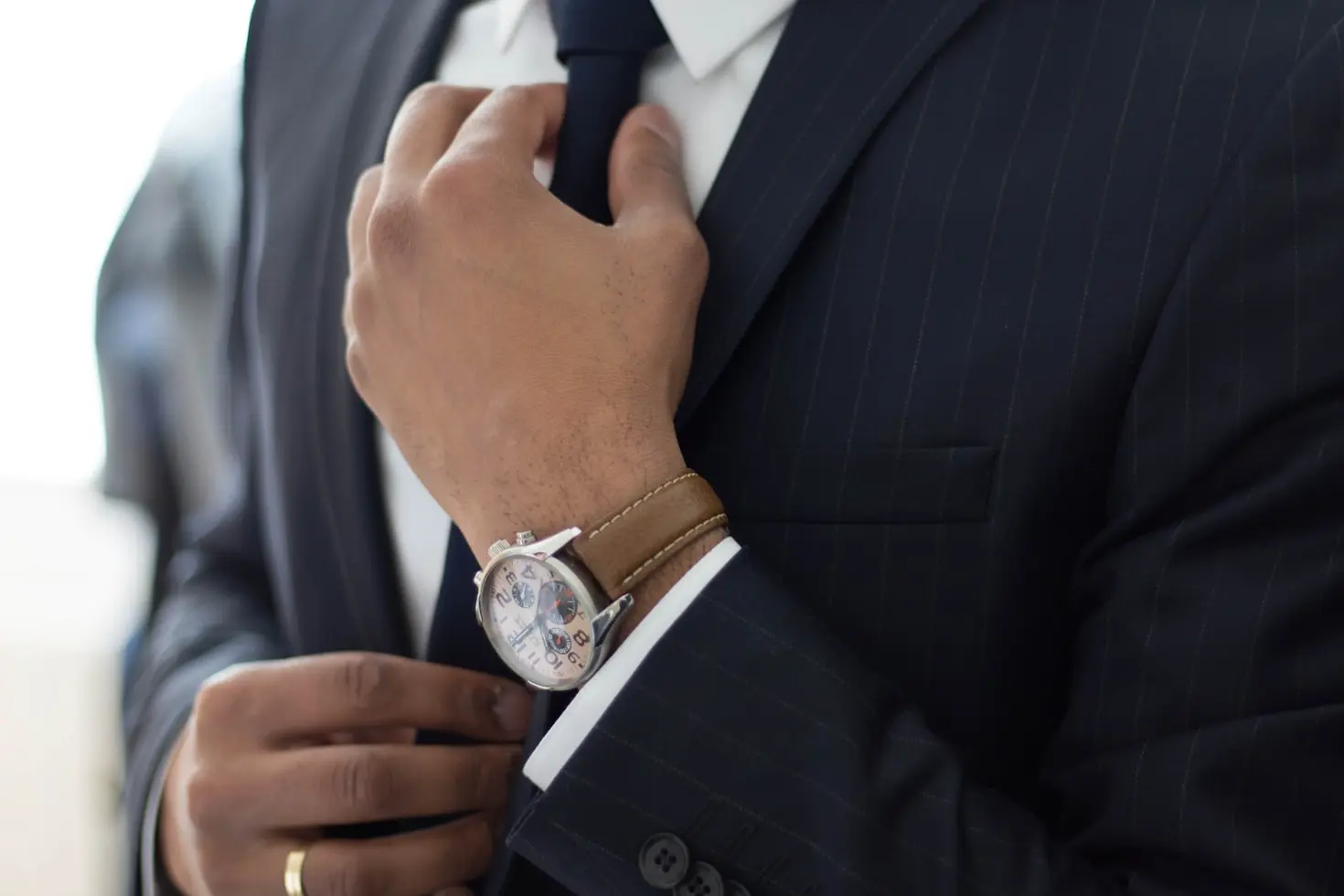
Pocket Watches vs Wristwatches for Different Types of Users
The needs of different people vary and hence the best watch will be determined by the way you intend to use it.
User | Better Choice | Why |
Everyday professionals | Wristwatch | Lightweight and can be checked during the day. |
Frequent travelers | Wristwatch | Easy access to the time when on the move. |
Watch collectors | Pocket Watch | Rich history and collectible value |
Vintage fashion lovers | Pocket Watch | Complements traditional clothing styles. |
First-time buyers | Wristwatch | Practical, versatile, and easy to maintain |
A pocket watch can be a valuable addition to your collection in case you are a lover of history and craftsmanship. A wristwatch is the superior day to day watch in case you need a watch that suits most of the circumstances.
Pros and Cons of Pocket Watches vs Wristwatches
Comparing the pros and cons of pocket watches vs wristwatches makes it easier to decide which style suits your lifestyle and preferences.
Pocket Watches | Wristwatches |
Classic and beautiful design. | Comfortable for everyday wear |
Excellent collectible value | Quickly checkable. |
Strong historical significance | Large range of styles and functions. |
Great for formal occasions | More convenient for work, travel, and sports. |
Not as convenient to use on a daily basis. | Certain models need frequent maintenance. |
Both styles are not ideal. The correct decision is one that relies on what is the most important to you.
Why Wristwatches Replaced Pocket Watches
These developments contributed to making wrist watches the choice of the world.
To begin with, individuals desired quicker access to time. This goal was achieved through wristwatches by a mere glance.
Second, technology enhanced quickly. Manufacturers developed more durable materials, more precise movements, and waterproof designs that suited active lives.
Finally, fashion changed. With the de-formality of clothing, fewer wore waistcoats with watch pockets. It was natural that wristwatches became more useful in the real world.
Pocket watches did not die out due to failure. They just fulfilled another role as the society developed.
Are Pocket Watches Making a Comeback?
Wrist watches are unlikely to ever be ousted by pocket watches again, but they are getting a new wave of popularity.
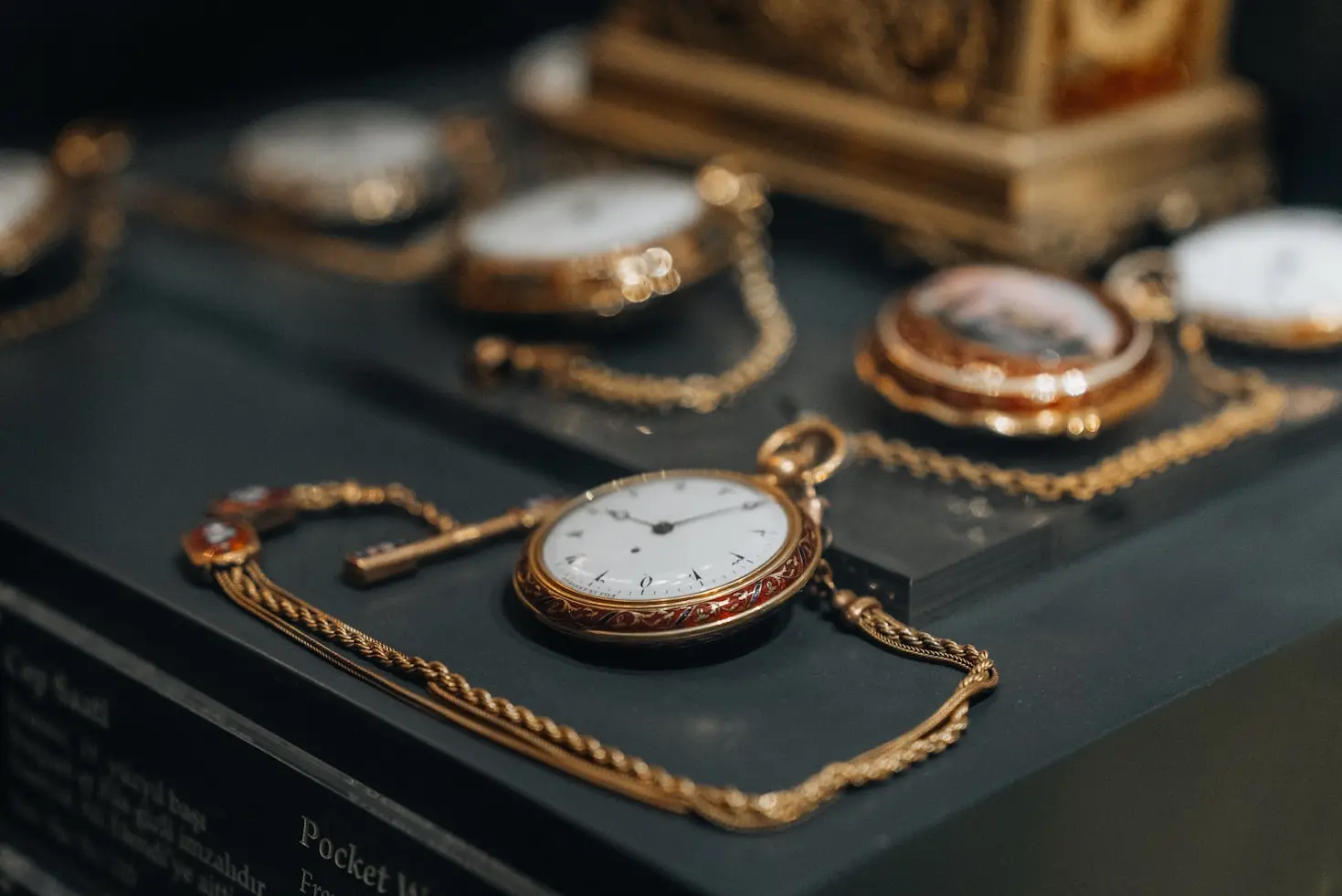
Collectors still seek out vintage pieces with stories and mechanical movements. There are also those who wear pocket watches during weddings or family gatherings or as a special present that can be given to the generations to come.
Meanwhile, the younger collectors have begun to venture into traditional watchmaking, providing pocket watches with a new following.
They may not be as popular as wristwatches, but they are gaining traction among those who value tradition and craftsmanship.
Pocket Watches vs. Wristwatches: Which One Should You Choose?
In the comparison between pocket watches vs wristwatches, there is no winner.
Select a pocket watch when you appreciate history, old-fashioned artisanship, vintage, or the acquisition of rare watches. Select a wristwatch when you desire comfort, functionality, and a watch that suits your daily lifestyle.
Many enthusiasts own both styles because each offers something different. A wristwatch makes life easy, and a pocket watch adds history and sophistication to the special events.
Final Thoughts on Pocket Watches vs Wristwatches
The history of pocket watches vs wristwatches demonstrates that timepieces have been changing with society. Pocket watches brought portability to timekeeping and were a symbol of craftsmanship and prestige. Wristwatches then revolutionized the industry with more convenience, durability, and functionality. Both styles remain popular today for their own reasons, demonstrating that great watchmaking never goes out of fashion.
At Leitzeit, we feel that there is more than just telling time when it comes to picking a watch. It is also about locating a watch that speaks about your character, your way of life, and your value of the quality of a watch. You may appreciate the tradition of a pocket watch or the functionality of a wristwatch, but our line honors classic design and functional use.
Learn more about our watches and find one that you will love to wear many years to come.
FAQs About Pocket Watches vs Wristwatches
Why did wristwatches replace pocket watches?
Wristwatches were more convenient, particularly during World War I. They enabled individuals to check time without having to use both hands; hence, it's more practical in daily life.
Are pocket watches still worth buying?
Yes. Pocket watches continue to be popular with collectors, vintage lovers, and individuals seeking meaningful gifts or heirloom-quality timepieces.
Which is more accurate: pocket watches or wristwatches?
It is accurate due to the movement and maintenance and not the style. Even a properly serviced mechanical pocket watch can be excellent, whereas modern quartz wristwatches tend to be more accurate.
Are pocket watches suitable for everyday use?
A pocket watch can be used in everyday life, but most people find wristwatches more convenient for checking the time.
Why do collectors love pocket watches?
Collectors value their artisanship, historical significance, rarity of manufacture, and mechanical movements.
Can you own both a pocket watch and a wristwatch?
Yes. Most watch enthusiasts have both of them, as they have different purposes. A wristwatch is practical to wear on a day-to-day basis, and a pocket watch is best to wear during a formal event or collection.
Are pocket watches considered luxury watches?
Other pocket watches may be luxurious, particularly those crafted using precious metals, handmade movements, or historic importance.
Which watch is better for first-time buyers?
A wristwatch is normally the preferable option as it is more convenient, comfortable to wear, and can be used in virtually any situation.