When purchasing an expensive watch, you could see the word "chronometer" on the dial or in the description of the product. Most watch companies have adopted this word to show accuracy and quality. But what is it that makes a chronometer not just a usual watch?
Strict testing, proven accuracy, and independent certification are the answer. A certified chronometer has to be subjected to rigorous performance tests before it is given the designation. These tests are used to determine the accuracy of the watch in timekeeping under varying conditions.
Here, we discuss all the information you should know about chronometer certification, testing standards, accuracy standards, and the organizations that test these watches. This article will make you realize why a certified chronometer is special, whether you are a collector, an enthusiast, or a first-time purchaser.
What Is a Chronometer?
A chronometer is a very precise watch, which passes official tests of accuracy that are administered by independent bodies.
It is not an attractive word only. It is a performance label.
There are various conditions in which a chronometer should remain within tight time frames. In case of failure, it is not certified.
Simple Way to Understand it:
Consider it a school test. A normal watch is a trial; a chronometer is a test with very high marks.
Historical Background
Chronometers began as marine timepieces. They were used by sailors to determine their location in the ocean. Accuracy was critical even to a little lapse of time that would have caused incorrect navigation.
Wrist chronometers of today continue to operate on the same theme: accuracy with pressure.
What Does “Certified Chronometer” Mean?
A certified chronometer is a timepiece that has been tested by a third party that is not the brand but an official body.
This is quite crucial.
Why Certification Matters:
- The watch cannot be self approved by the brand.
- The movement is tested by an external lab.
- Findings should comply with high levels of accuracy.
- Only then the watch gets “chronometer” status
This is done to cover the buyers against marketing claims and give actual performance.
An authorized chronometer sends you this message:
This watch works as usefully as it was promised to.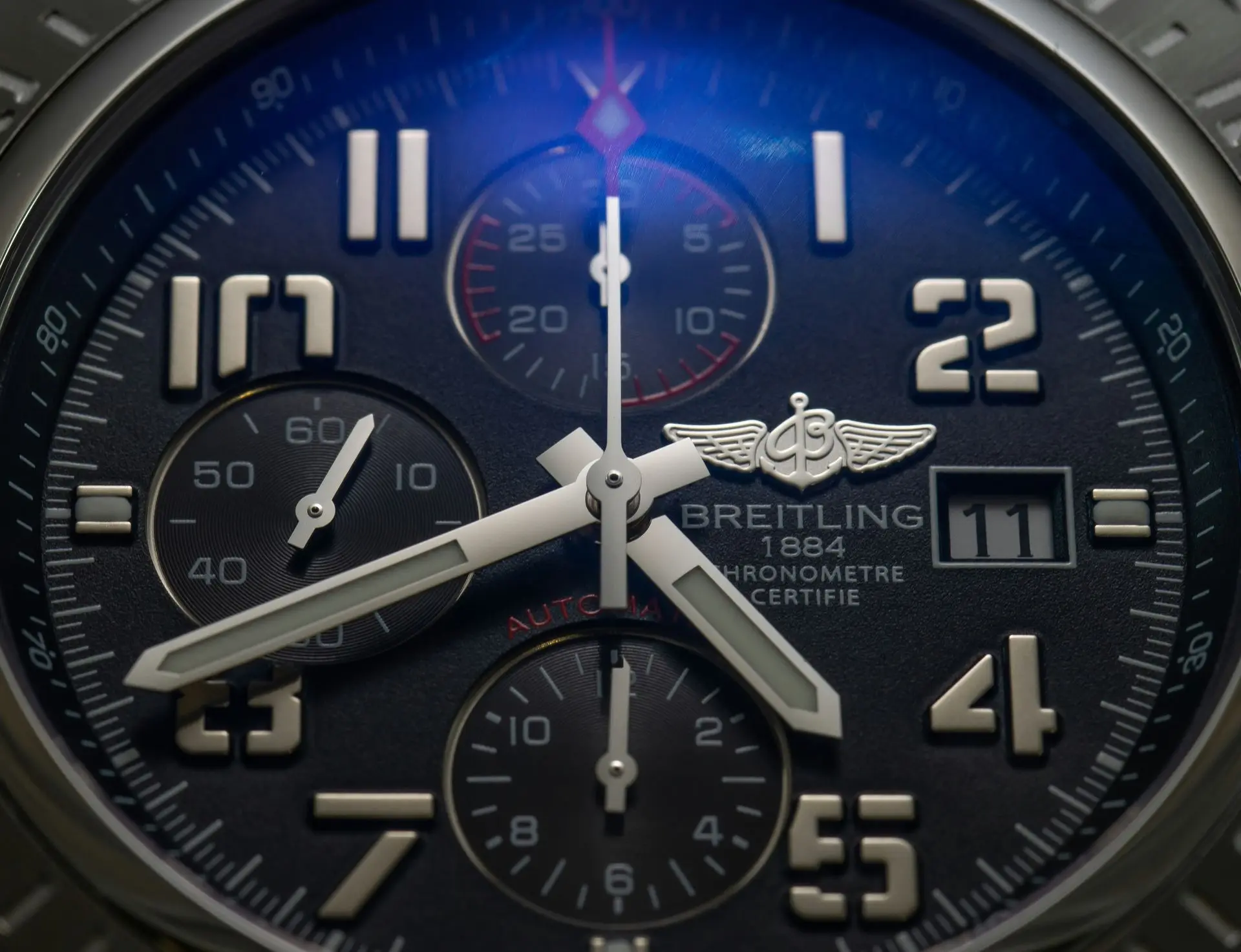
The History of Chronometer Certification
Early Marine Chronometers
In the 18th century, the sailors required precise timepieces in order to know the longitude as they crossed the oceans. This was overcome by marine chronometers that greatly enhanced the safety of navigation.
These tools gained popularity due to their accuracy and performance in harsh environments.
Evolution of Precision Watch Testing
With the introduction of wristwatches, the watchmakers started to compete with each other in developing more precise movements. Precision competitions were done in observatories and testing centers to measure performance.
These initial tests assisted in setting formal standards of accuracy.
Modern Chronometer Standards
Currently, entities like COSC and METAS test watches with sophisticated equipment and standard processes. In the modern certification, the emphasis is laid on the actual performance, uniformity, and dependability.
Who Certifies Chronometers?
A variety of organizations certify chronometers, though there are those that are more widely recognized in the watch world.
COSC (Contrôle Officiel Suisse des Chronomètres)
The most well-known Swiss certification body is COSC.
It does not test the movement (whole watch).
Key points:
- Swiss independent testing laboratory.
- 15-day testing process
- Strict accuracy limits
- Very widely used in luxury watches
COSC is used by many leading brands due to its ability to provide assurances of accuracy.
METAS Master Chronometer Certification
METAS is an abbreviation of the Swiss Federal Institute of Metrology.
This certification is an extended version of COSC testing. It does not consider the movement but rather the entire watch assembled.
METAS also measures magnetic resistance, power reserve, water resistance, and real-life performance.
Other Chronometer Certification Bodies
Other brands employ other testing programs and observatory certifications.
Examples include:
Geneva Observatory standards
Besançon Observatory certification
Brand-specific accuracy programs
These certifications differ but are all directed towards precision and performance.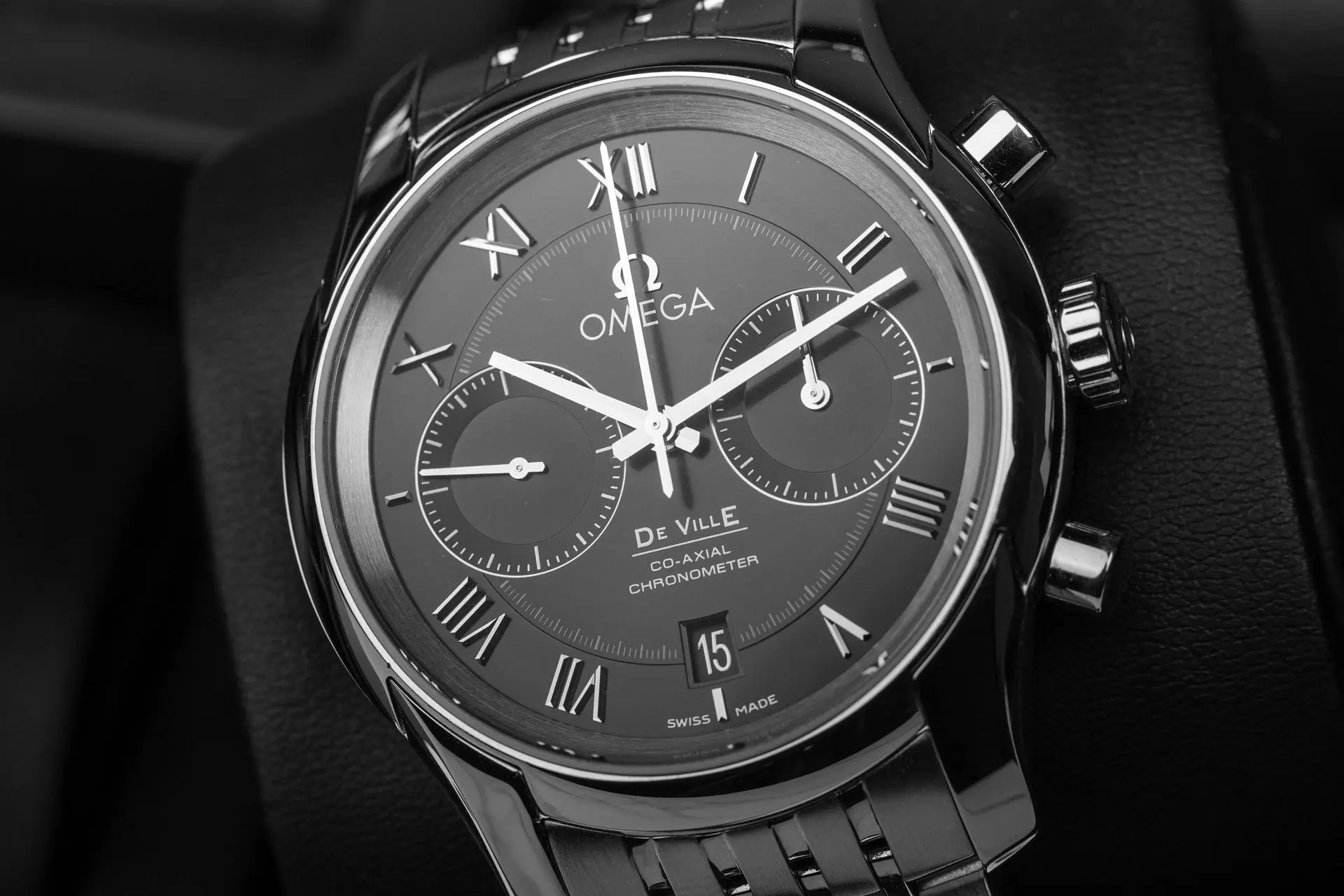
How Is a Chronometer Tested?
Chronometer testing consists of multiple steps that are aimed at determining the precision in various conditions.
Testing the Movement Before Certification
The majority of certification programs start by testing the watch movement individually.
The movement can be tested to enable specialists to test performance without outside interference of the watch case or the bracelet.
Multiple Position Testing
A watch is not in the same place all day long. Your wrist keeps on altering positions.
Testing thus involves various positions:
- Dial up
- Dial down
- Crown up
- Crown down
- Crown left
- Crown right
This technology will guarantee the same level of accuracy no matter how you wear the watch.
Temperature Variation Tests
Mechanical components are influenced by temperature.
Motions are tested by certification laboratories at:
- Low temperatures
- Standard room temperatures
- High temperatures
The tests ensure that the watch has a stable performance.
Multi-Day Accuracy Evaluation
The certification involves constant surveillance in a number of days.
Laboratories test and record the daily performance and compare the results with strict standards.
Certification is only given to movements that are always able to fulfill the requirements.
COSC Chronometer Testing Standards Explained
COSC continues to be the standard of certification of chronometers.
The 15 day Testing Process
COSC tests a movement of watches over a period of 15 days.
In this stage, the technicians insert movements at various positions and temperatures as they measure daily performance.
The process forms a whole picture of the accuracy of the movement.
Accuracy Requirements
A mechanical movement has to remain within a range of strict limits to pass certification.
The general rate is between
-4 to +6 seconds per day
This degree of accuracy surpasses that of most mechanical watches.
Precision Measurements Used by COSC
COSC considers a few guidelines:
- Mean daily rate
- Daily variation
- Largest variation
- Positional variation
- Temperature variation
- Resumption rate
All these measurements are combined to decide whether a movement is a certified chronometer.
COSC Pass and Fail Criteria
A movement should be able to fulfill all the standards.
In case it fails in any of the testing procedures, it is not certified. Manufacturers can make adjustments and retest the movement and reintroduce it.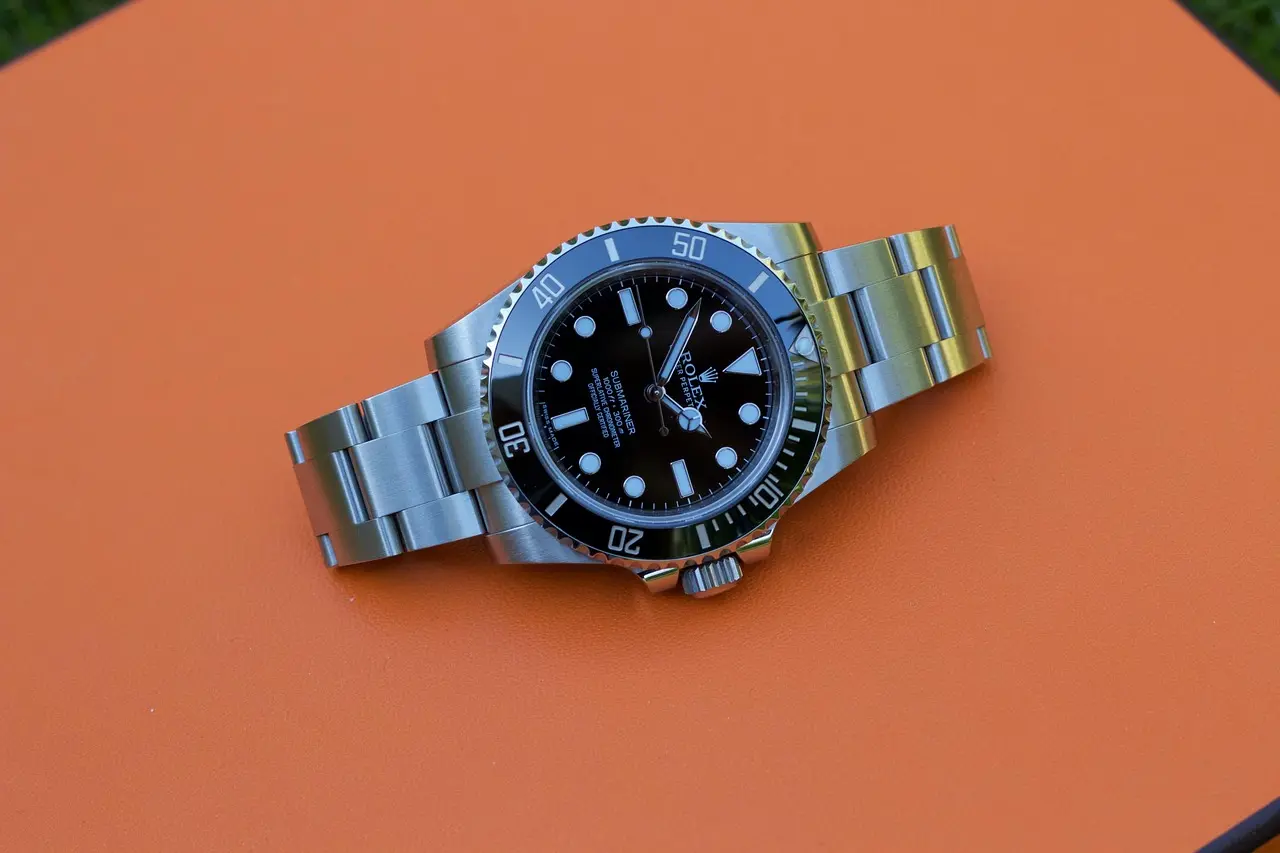
Chronometer Accuracy Requirements
How Accurate Must a Certified Chronometer Be?
The average accuracy of most COSC-certified mechanical chronometers is:
-4 to +6 seconds per day
This degree of accuracy is a great feature of a mechanical watch.
Accuracy Compared to Standard Mechanical Watches
Feature | Certified Chronometer | Standard Mechanical Watch |
Daily Accuracy | -4 to +6 seconds | Often -20 to +20 seconds |
Independent Testing | Yes | Usually No |
Certification | Required | Not Required |
Consistency | Very High | Varies |
Quality Control | Extensive | Brand Dependent |
Factors That Affect Accuracy
Even certified chronometers may have minor variations.
Common factors include:
- Gravity
- Temperature changes
- Magnetism
- Physical shocks
- Maintenance intervals
Frequent servicing can assist in long-term accuracy.
What Is a Master Chronometer?
A Master Chronometer is one of the most modern watch certifications on the market.
Understanding METAS Certification
METAS came up with the Master Chronometer standard that performed tests on finished watches in real world conditions.
This certification brings together accuracy and resistance testing.
Additional Tests Beyond COSC
Master Chronometer certification includes the following:
- Magnetic resistance testing
- Water resistance verification
- Power reserve testing
- Real-world performance evaluations
These standards are more than those of traditional chronometers.
Master Chronometer Accuracy Standards
Most of the Master Chronometer watches perform in the range of
0 and +5 seconds/day.
This criterion illustrates great accuracy in a mechanical clock.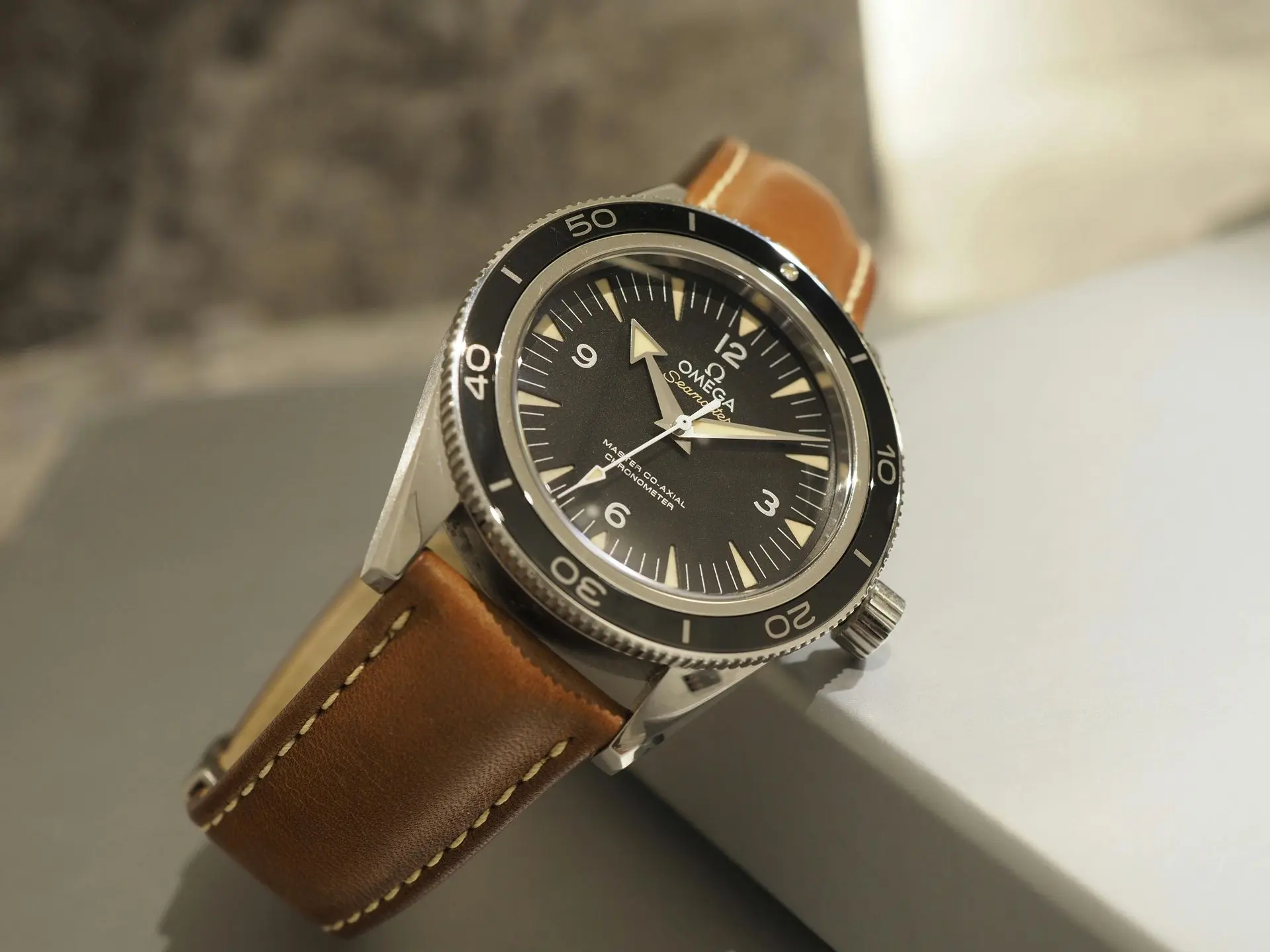
9. Chronometer vs Standard Watch
The differences are evident when you juxtapose them.
Feature | Certified Chronometer | Standard Mechanical Watch |
Accuracy | Verified | Not Independently Verified |
Independent Testing | Yes | Usually No |
Certification | Official | None |
Quality Control | Higher Standards | Varies |
Value Retention | Often Better | Depends on Brand |
Such an accolade as a certified chronometer gives an extra measure of confidence since the performance of the chronometer is tested by a body of independent experts.
10. Chronometer vs Master Chronometer
Feature | Chronometer | Master Chronometer |
Certifying Body | COSC | METAS |
Magnetism Resistance | Limited Testing | Extensive Testing |
Testing Scope | Movement Only | Complete Watch |
Accuracy Standards | -4/+6 Seconds | 0/+5 Seconds |
Water Resistance Testing | No | Yes |
The Master Chronometer certification typically involves more in-depth testing.
Why Chronometer Certification Matters
Higher Accuracy
Compared to most mechanical watches, chronometers are more accurate.
Independent Verification
Performance is verified by an external body, and it is credible.
Better Quality Control
There are stringent standards that manufacturers have to satisfy prior to certification.
Increased Consumer Confidence
Customers are aware of the tested accuracy of the watch.
Potential Resale Value Benefits
Certified chronometers are usually of more interest to the used market.
Famous Watch Brands Known for Certified Chronometers
Rolex
Rolex has based a lot of its reputation on chronometer-certified movements. Numerous Rolex watches are over-certified.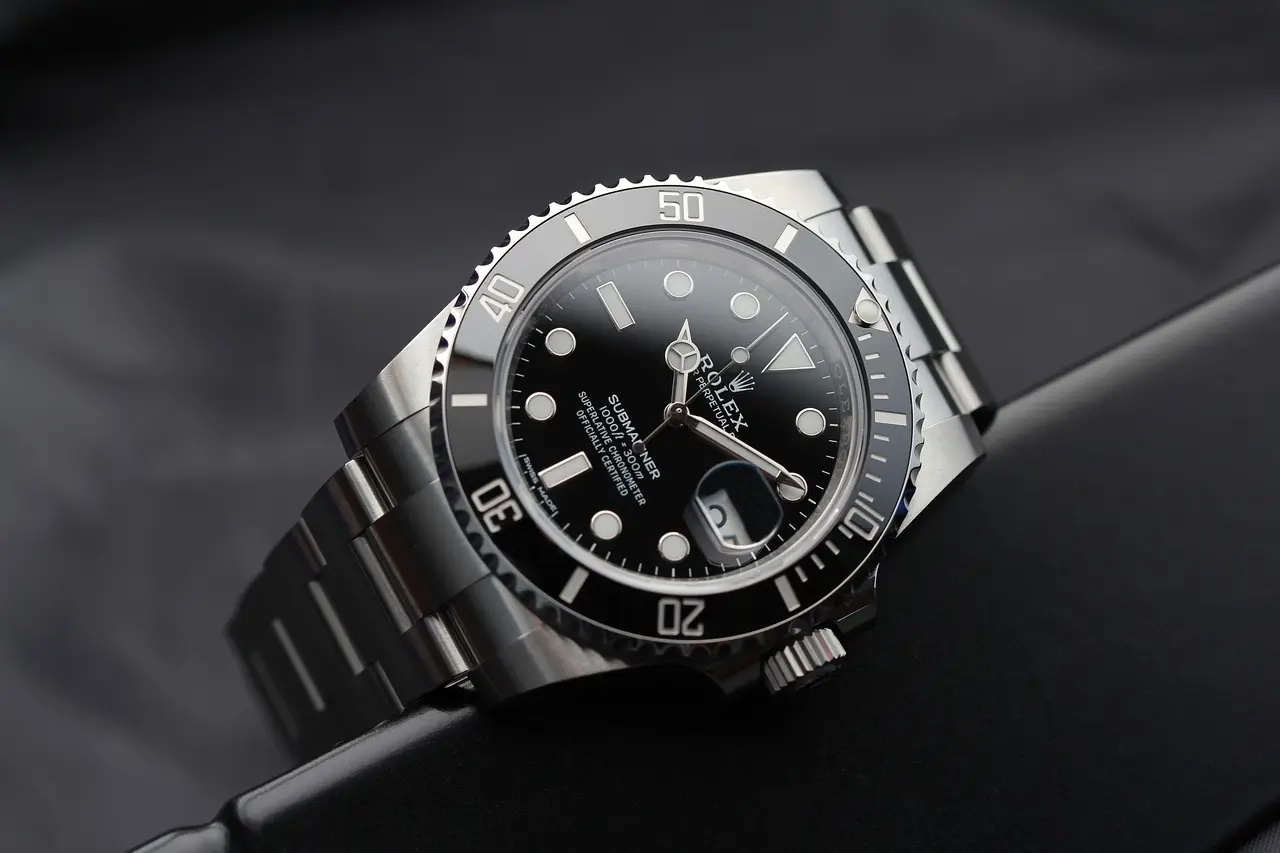
Omega
In most of its collections, Omega adds COSC certification to METAS Master Chronometer testing.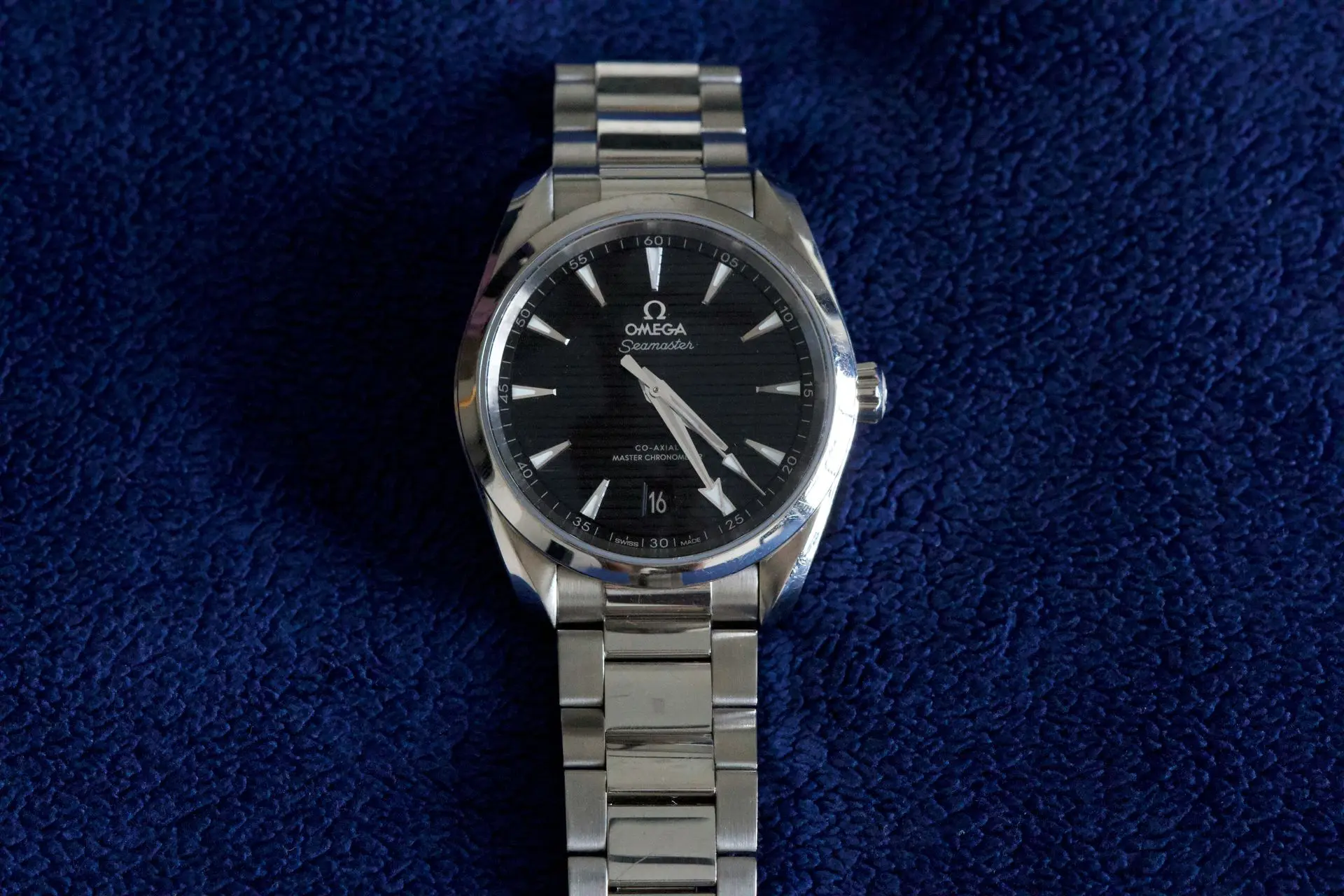
Breitling
Breitling also certifies a big percentage of their mechanical watches with COSC.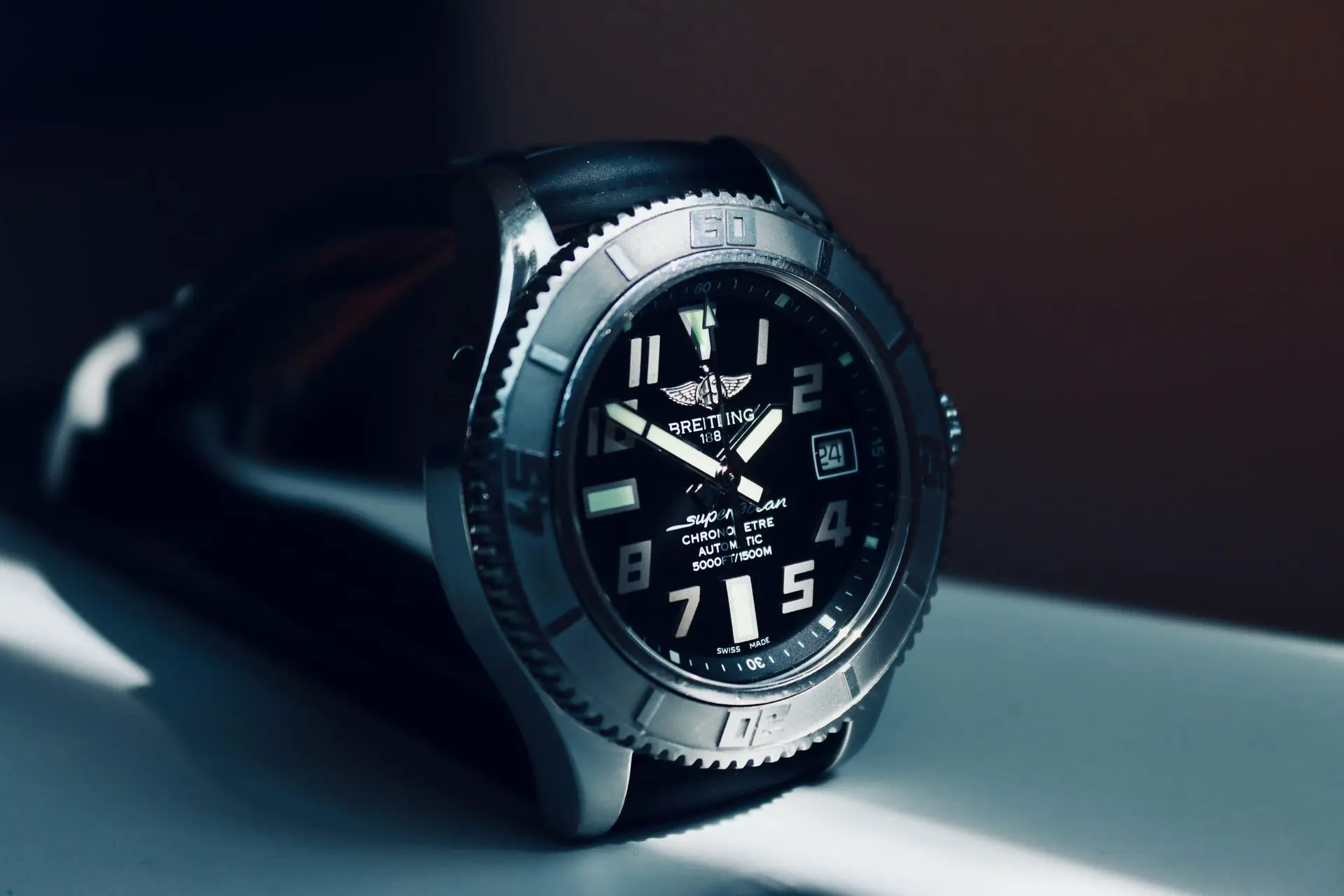
Tudor
Tudor is still extending usage of its movements that have been certified as chronometers in its popular collections.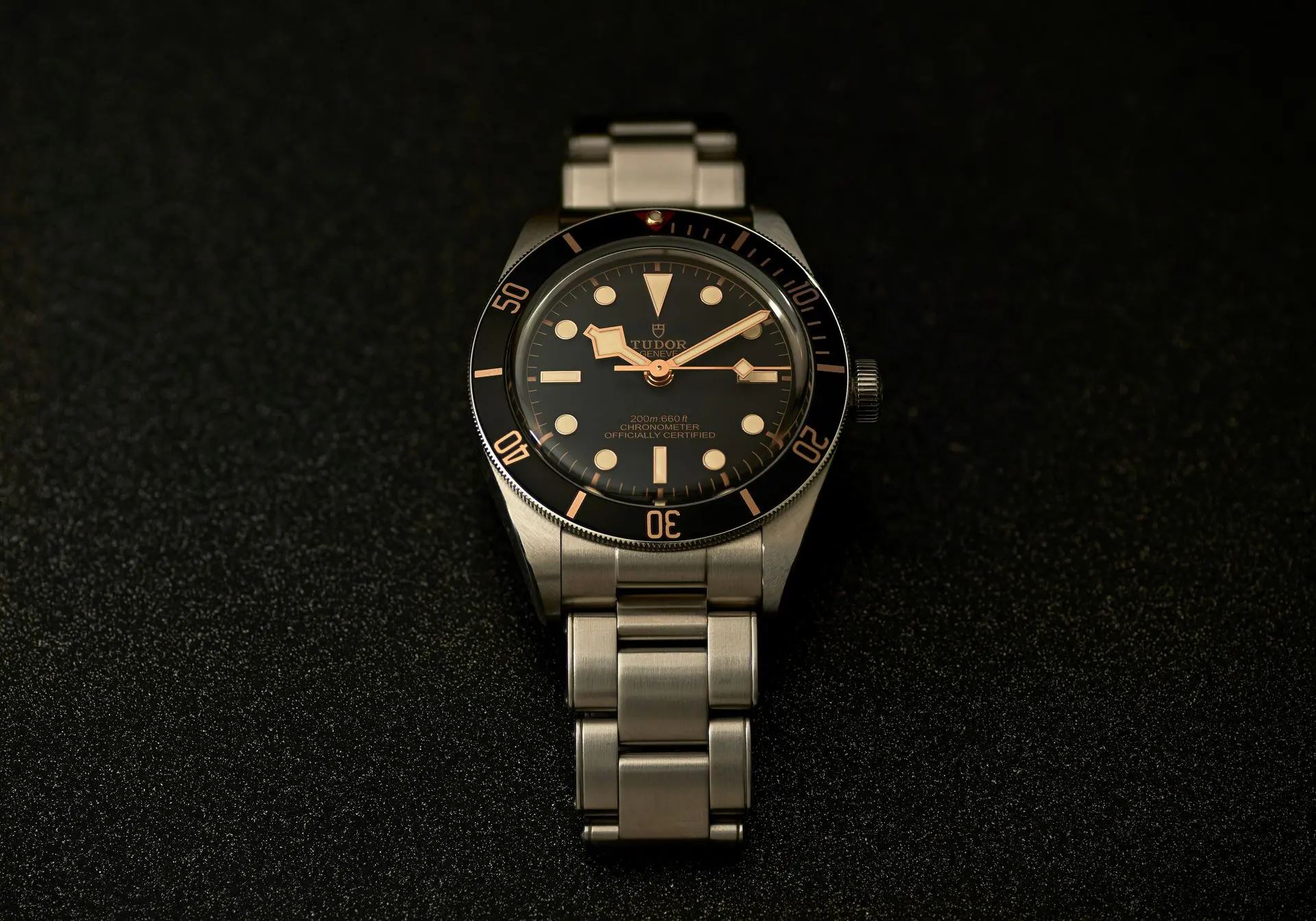
Longines
Longines has a range of models that have a chronometer-certified movement at affordable prices.
Through these brands, the certification helps in quality and precision.
Common Myths About Certified Chronometers
“All Luxury Watches Are Chronometers”
No. A large number of luxury watches are not certified as chronometers.
“Chronometer Means the Watch Is Perfect."
None of the watches is ever entirely correct. Testing is to verify performance at the point of certification.
“Quartz Watches Cannot Be Chronometers”
Certain quartz movements may be certified as chronometers provided they meet the necessary requirements.
“Certification Guarantees Lifetime Accuracy”
Periodic maintenance is also significant in long-term performance.
How to Check Whether a Watch Is a Certified Chronometer
Looking for Certification Markings
Most brands will have "Chronometer" or officially certified chronometer on the dial.
Reviewing Official Documentation
The watch is usually accompanied by certification documents given by the manufacturers.
Verifying Through Manufacturer Information
Certification information is typically mentioned on official product pages.
Checking Serial and Certification Numbers
There are brands that can be verified online using serial numbers and certification records.
Are Certified Chronometers Worth the Extra Cost?
To several customers, yes.
A certified chronometer is one that has been tested to be accurate, has better quality control and provides more confidence in the performance of the watch.
The technical success of certification is valued by collectors. Reliable timekeeping is appreciated by professionals. The enthusiasts like having a watch that is up to the known standards.
Nevertheless, not all buyers require chronometer certification. When accuracy is high on your agenda, the incremental investment can often be worthwhile.
Conclusion
A chronometer gains its reputation based on what it can do, rather than what it claims to do. These watches are also tested by independent bodies like COSC, METAS among others, in harsh conditions to ensure accuracy, consistency and reliability. When a watch is certified as a chronometer, it reflects a greater level of accuracy compared to most of the mechanical watches.
We think that educated consumers make superior choices at our firm. If you need an accurate timepiece, our chronometers team at Leitzeit will assist you in browsing certified chronometers and understanding the distinctions between different certifications. Contact us now to get a watch that fits your style, expectations, and performance requirements.
You can be confident that your watch has undergone some of the most rigorous accuracy tests in the watch industry, whether you go with a conventional COSC-certified chronometer or a contemporary Master Chronometer.
FAQs
What is the difference between a chronograph and a chronometer?
Chronograph is a stopwatch feature. A chronometer is a watch that fulfills a certified level of accuracy.
How accurate is a certified chronometer?
The majority of chronometers certified by COSC have an error of between -4 and +6 seconds in one day.
Who certifies chronometer watches?
Certification of chronometer watches is done by organizations like COSC and METAS.
What tests must a chronometer pass?
Certification involves position testing, temperature testing, daily rate measurements, and consistency testing.
Is every Rolex a certified chronometer?
The majority of Rolex watches sold today are chronometers and are further internally tested.
What is a Master Chronometer?
A Master Chronometer is a watch that successfully passes METAS testing of accuracy, magnetic resistance, water resistance and overall performance.
Can a chronometer lose accuracy over time?
Yes. Performance can be subject to wear, magnetism, shocks, and old lubricants.
Are chronometers worth buying?
Most customers find them valuable since they are independently verified to be accurate and of high quality.
Which certification is more demanding: COSC or METAS?
METAS tends to use more extensive testing as they test the entire watch in a real world situation.
Can quartz watches receive chronometer certification?
Yes. Some ultra-precise quartz movements can be considered, provided that they are certified.