Asian watchmaking has transformed the global watch industry over the past several decades. Have you ever wondered where your watch was made? Although Switzerland is known to produce luxury watches, many of today's finest watches have strong ties to Asia. Other countries such as Japan, China, South Korea, Hong Kong, Singapore, and India have significantly contributed to the modern watch industry.
Asian watchmakers have also brought new technology and better production and made quality watches affordable to people all over the world in the last 70 years. Today, Asia is home to some of the world's largest watch manufacturers and respected luxury brands.
Today, Asian watchmaking is recognized worldwide for its innovation, precision, and exceptional craftsmanship. In this guide you will know how Asian watchmaking has developed, the nations that aided in its development, and why Asian watches are now being relied upon by watch collectors and watch lovers around the globe.
A Brief History of Asian Watchmaking
The origin of Asian watchmaking was not large factories but small workshops. Switzerland was regarded as the hub of the watch industry in the early years. But Asian manufacturers tried their best to enhance their skills and demonstrate that they could make high-quality watches that are reliable. These early developments laid the foundation for modern Asian watchmaking.
Asia is currently among the most powerful watch and innovative and technological-regions in the world.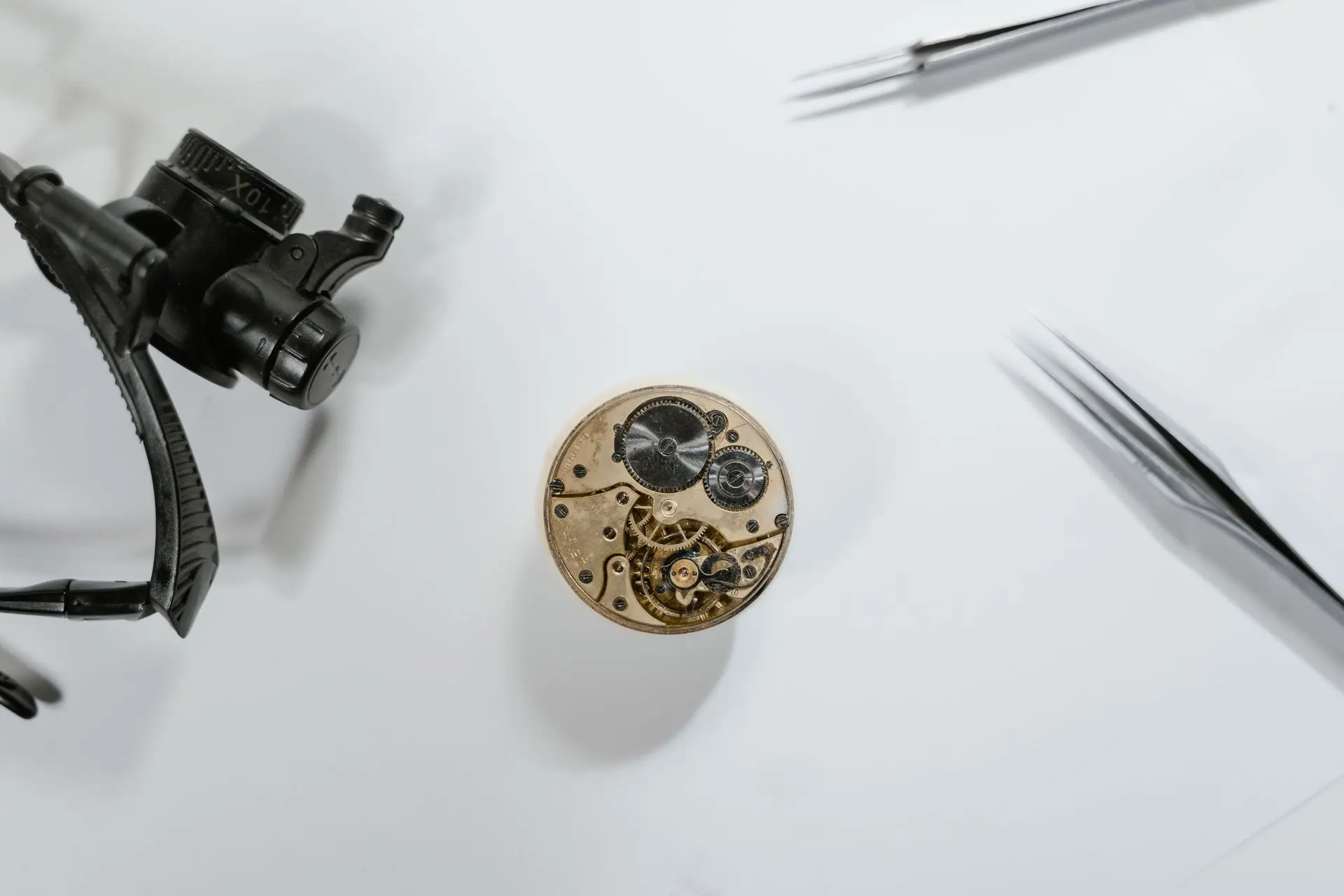
Early Beginnings: The Post-War Manufacturing Boom
Following World War II, rebuilding the economies of many Asian countries became the priority. Manufacturing was a significant component of this revival, and watchmaking soon became one of the fastest growing industries.
The first country to achieve international recognition of its watches was Japan in Asia. With the help of modern engineering and high-quality production, Japanese manufacturers started to make high-quality mechanical watches that could rival European brands.
China soon followed by building its own domestic watch industry. The first mechanical watch in the country was made by a few Chinese engineers in 1955. Although the industry was still in its early stages, these achievements laid the foundation for China's future success.
The Quartz Revolution and Japan's Global Impact
A major breakthrough in watch history was in 1969 when Seiko produced the first quartz wristwatch in the world, the Astron.
Quartz watches were more precise, simple to service and cheaper to manufacture, unlike other mechanical watches. The new technology gained popularity all over the world.
A lot of Swiss watchmakers found it hard to compete at this time and this became known as the Quartz Crisis. Meanwhile, Japan was becoming a world leader in watch technology and production.
The Rise of Manufacturing Hubs
The success of Japan prompted other countries in Asia to invest in watchmaking. China increased its manufacturing sector, and Hong Kong was a key trading and export hub of watches. South Korea also joined the market with the specialization in modern design and quality production.
With time, every nation came up with its strengths. There were those who specialized in making watch movements and those who specialized in making cases, straps or other watch parts.
How Global Trade Helped Asia Grow
The location of Asia also contributed to the rapid growth of the watch industry. Hong Kong and Singapore had major ports that facilitated the importation of materials and the exportation of finished watches to the global markets.
With the growth in international trade, Asia emerged as an important component of the global watch supply chain. Most popular watch brands today depend on Asian manufacturers of watch parts, movements, and entire watches. Global trade continues to strengthen Asian watchmaking by connecting manufacturers with international markets.
Japan's Role in Shaping Modern Watchmaking
Japan should be given special consideration when it comes to Asian watchmaking. The nation has brought some of the largest innovations in the history of modern watches and still makes high standards of quality and precision. Japan continues to lead Asian watchmaking through continuous innovation and craftsmanship
Seiko and the Birth of Quartz Technology
Mechanical watches were the market leaders before 1969. All this changed with the introduction of the Astron by Seiko.
The Astron ushered in quartz technology, which was more accurate than most mechanical watches. It was also cheaper to manufacture, making quality watches more affordable for people around the world.
This invention transformed the watch industry and encouraged manufacturers worldwide to adopt new technologies.
Japanese Craftsmanship and Monozukuri
The Japanese manufacturing is guided by a philosophy known as "monozukuri," which translates to the creation of products through skill, care and constant improvement.
This strategy is based on quality, detail and accuracy. All of the components of a watch are thoroughly manufactured and tested to be reliable.
Due to this philosophy, Japanese watches have gained a good reputation of durability and accuracy. This commitment to excellence has become one of the defining characteristics of Asian watchmaking.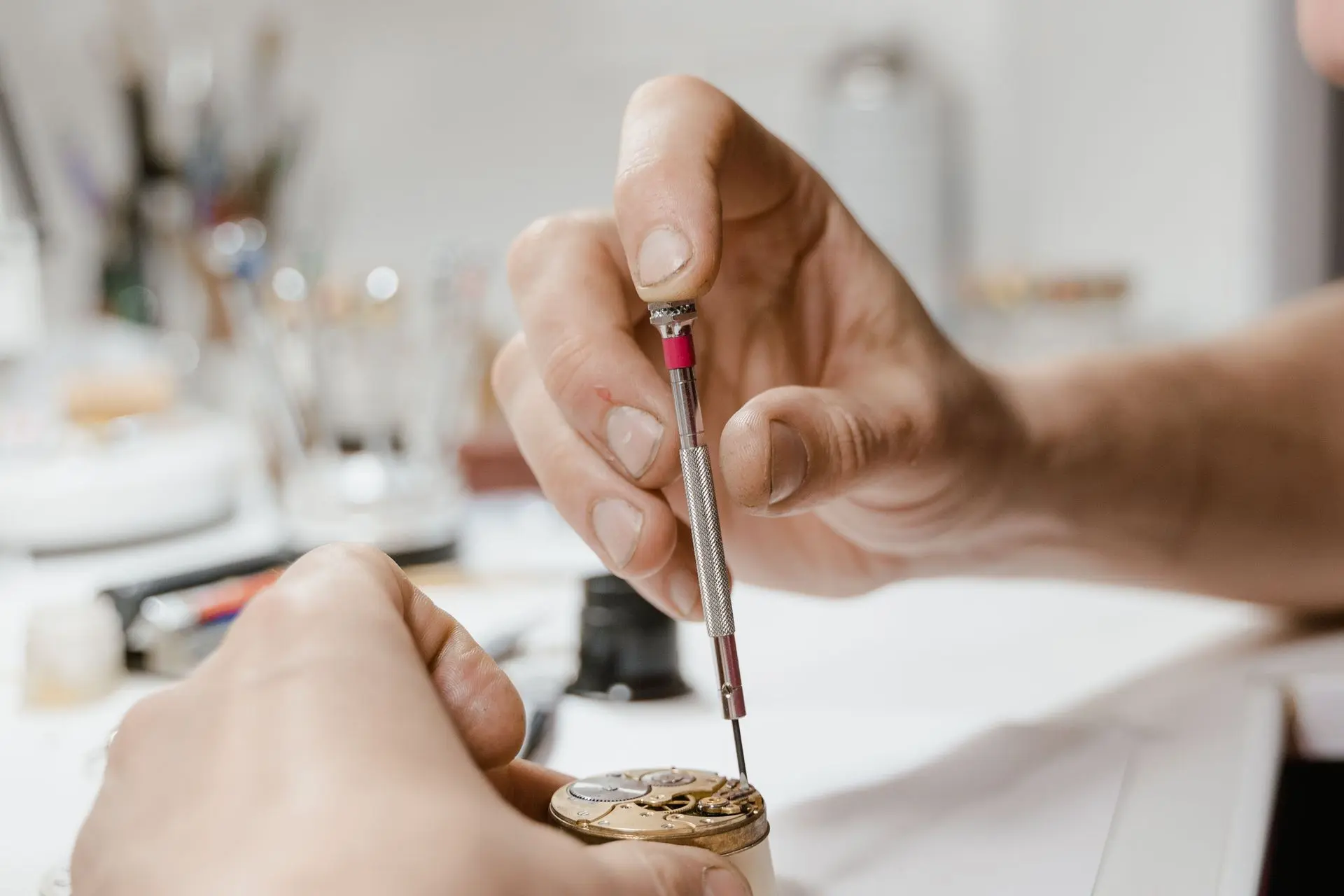
Grand Seiko and the Rise of Japanese Luxury Watches
Grand Seiko came into the scene in 1960 and was aimed at making some of the most accurate watches in the world.
The company introduced its well-known movement Spring Drive in 1999, a blend of classical mechanical engineering and quartz accuracy. This is a special technology that has a high level of precision and still maintains the aesthetic of a mechanical watch.
Today, Grand Seiko has to compete with numerous Swiss luxury brands. Its superior finishing, in-house movements and excellent accuracy have gained it respect among collectors worldwide.
Combining Tradition with Innovation
The Japanese watchmakers still apply the old craftsmanship and modern technology. Many watch parts are still finished by hand in the hands of skilled artisans, and modern manufacturing processes enhance precision and consistency.
This blend of tradition and innovation is among the largest factors that make Japanese watches highly respected.
Independent Japanese Watchmakers
There are also a lot of skilled independent watchmakers in Japan. They are not as big as the established brands such as Seiko and Citizen, but they make watches of good quality that have unique designs and are well crafted.
These brands stand alone and indicate that the watchmaking skills in Japan extend well beyond its biggest manufacturers.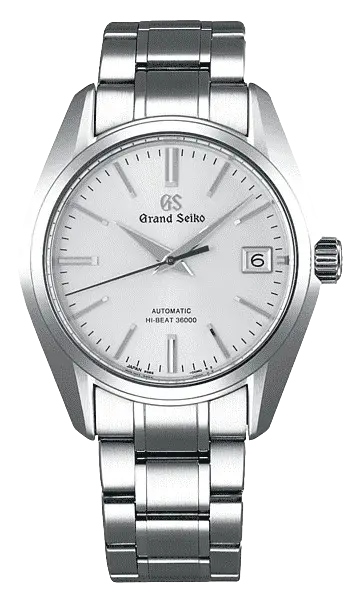
China's Growing Influence on the Watch Industry
China has become one of the strongest contributors to Asian watchmaking.
Previously, most individuals thought that Chinese watches were only cheap products of poor quality. Nowadays, this opinion has shifted. China is now among the biggest watch producers in the world and it is constantly advancing its technology, craftsmanship and innovation.
Chinese brands have created low-end daily watches to high-end mechanical watches with amazing complications.
From Manufacturing Hub to Design Innovation
China's modern watch industry began in the 1950s. A major milestone came in 1955 when the Tianjin Watch Factory produced China's first domestically made wristwatch, marking the beginning of the country's modern watchmaking industry. Soon after, the Shanghai Watch Factory and Beijing Watch Factory expanded mechanical watch production, helping China build a strong foundation for its watch industry.
Over the following decades, Chinese manufacturers invested heavily in production technology, skilled engineering, and quality improvements. Today, China is one of the world's largest watch manufacturers and a leading producer of mechanical movements and watch components.
China is no longer known only for mass production. Many companies now focus on research, product development, and original watch designs, strengthening the country's reputation for innovation as well as manufacturing.
Domestic Movement Production
The capability of producing entire watch movements is one of the largest strengths of China.
Companies such as Sea-Gull manufacture millions of mechanical movements every year. Most of these movements are not only applied in Chinese watches but also in international watches.
Chinese manufacturers now can make key movement parts, such as escapements, balance wheels, and hairsprings, which means they can minimize reliance on imported parts.
China's Advances in Tourbillons and Complications
One of the most complicated aspects of a mechanical watch is a tourbillon. This complication has been long only found in Swiss luxury watches that were costly.
Chinese brands have today brought tourbillons a lot closer.
Sea-Gull manufactures quality tourbillon movements at reasonable rates and has ensured good performance. Beijing Watch has also come up with sophisticated complications such as double tourbillons, eight-day power reserve movements and minute repeaters.
These are some of the successes that demonstrate that China is emerging as a significant innovator in the field of mechanical watchmaking and not just a manufacturing hub.
Growing Demand for Chinese Watch Brands
The Chinese consumers are increasingly interested in purchasing local brands of watches. Consequently, manufacturers keep on enhancing their designs, materials and finishing quality.
Another aspect through which many Chinese brands are becoming internationally recognized is through the provision of excellent value, reliable movements and appealing designs.
This newfound confidence is enabling Chinese watchmakers to compete with the well-established foreign brands.
Shenzhen and Guangzhou: Manufacturing Centers
Two of the most significant manufacturing cities of the watch industry in China are Shenzhen and Guangzhou.
These regions have thousands of watch-case, dial, hand, strap, crystal and various other parts factories. Their highly developed manufacturing facilities enable brands worldwide to make watches efficiently and at reasonable prices.
Due to this robust supply chain, China continues to be one of the most significant nations in the production of watches around the world.
South Korea's Design-Forward Watch Movement
South Korea has taken a different approach to watchmaking. Korean brands have established a clean, modernist, and functional image instead of concentrating on classic Swiss designs.
Despite the fact that the watch industry in South Korea is not as large as Japan or China, it still draws attention due to its innovativeness and new design concepts.
Blending Minimalist Design with Function
Most South Korean watch companies like to have plain dials, thin cases, and classy designs.
This simple style indicates a high level of influence of the country in the field of fashion, architecture, and industrial design. Korean watches are made in a way that they appear modern yet comfortable and easy to wear on a daily basis.
Their simple appearance also makes them suitable for both casual and formal occasions.
South Korea's Growing Independent Watch Scene
The South Korean independent watchmakers are gaining popularity among the collectors.
A lot of these smaller brands mix contemporary design with mechanical or quartz movements that are dependable to produce unique watches.
With interest in independent watch brands ever-increasing, South Korea is establishing its own identity in the global watch industry.

Hong Kong and Singapore: Trade and Retail Powerhouses
Not all nations become successful when producing watches. Hong Kong and Singapore have gained their reputations through turning into major watch trading, retail and international distribution centers.
Hong Kong's Legacy as a Watch Trading Hub
Hong Kong has been a busy trading center of watches in the world over the past many decades.
It has support facilities, a business-friendly environment and international relationships that have made it a major place to import, export, and distribute watches in the global markets.
Hong Kong has been a sales and distribution center of many international brands across Asia.
Singapore's Rise as a Luxury Watch Destination
Singapore has emerged as a top luxury watch destination in Asia.
The nation boasts numerous licensed dealers, luxury boutiques, and exclusive watch events, which draw collectors globally.
Singapore has gained the confidence of people to purchase high quality mechanical watches due to its robust retail market and good customer service.
India's Emerging Watchmaking Industry
India's growing manufacturing sector is becoming an important part of Asian watchmaking. India does not have the long history of watchmaking that Japan or Switzerland has, but its industry is not going away.
India is a country with a huge population and a growing middle market, making it a significant market in both cheap and luxury watches.
A Growing Domestic Watch Market
With the rise in incomes, the number of Indian consumers who are investing in quality wristwatches is rising.
This increasing demand has not only led to an increased presence of international brands in India but also assisted the growth of local manufacturers.
Today consumers are more than ever exposed to a greater selection of mechanical, quartz and luxury watches.
Building Local Manufacturing Capabilities
India continues to import a lot of watch movements and components; however, there is a growing investment in local production.
A number of companies are striving to enhance local production and minimize reliance on imported components.
Despite the fact that the industry is in its nascent stages, India has a high potential to be a bigger player in the global watch manufacturing in the next few years.
Comparison Table: Asian Watchmaking Regions at a Glance
Region | Known For | Main Strength | Key Growth Period |
Japan | Precision and craftsmanship | Spring Drive, quartz technology, and luxury mechanical watches. | 1960s–Present |
China | Large-scale manufacturing | Mechanical movements, tourbillons, affordable complications | 1950s–Present |
South Korea | Modern design | Minimalist styling and standalone brands. | 2010s–Present |
Hong Kong | International trade | Distribution and exports of watches around the world. | 1970s–Present |
Singapore | Luxury retail | High-end watch stores and the collector market. | 1990s–Present |
India | Growing market | Increasing local consumption and production | 2010s–Present |
How Asian Innovation Compares to Swiss Watchmaking Traditions
Asian watchmaking and Swiss watchmaking are respected worldwide, but they are oriented on different strengths. Switzerland is known for its long history, luxury craftsmanship, and traditional watchmaking techniques. Asia is known to be innovative, precise, and efficient in production.
The two regions have contributed to the development of the modern watch industry and both still have an impact on each other.
Precision vs. Traditional Craftsmanship
The Swiss watchmakers have taken hundreds of years to master the hand craftsmanship. A lot of the luxury Swiss watches are handcrafted and polished by talented craftsmen with the help of traditional techniques.
Asian manufacturers particularly in Japan, are concerned with engineering, precision and continuous improvement. Their goal is to produce highly accurate and reliable watches while maintaining excellent quality.
Both methods make great watches, yet they attract watch lovers of various kinds.
Technology and Manufacturing
Asian watchmakers have been quick to adopt new manufacturing technologies. Modern production techniques and advanced machinery and automation enable them to make quality watches with great consistency.
In Switzerland, most brands also incorporate high technology, although in many cases, hand assembly and finishing are still of high priority, particularly in luxury lines.
This innovation and heritage balance provide buyers with a large variety of options.
Price and Value
One of the biggest differences between Asian and Swiss watches is price.
Swiss luxury watches are usually pricier due to their heritage, hand-finishing, and low production.
There are numerous Asian brands that have the same degree of reliability and impressive mechanical features at lower prices. This enables mechanical watches to be available to many more collectors and enthusiasts.
Different Strengths, Same Passion
Asian and Swiss watchmakers do not compete, but rather they still inspire one another.
Swiss brands are still the leaders in luxury craftsmanship and prestige, and Asian brands keep bringing new technologies, enhancing production, and providing quality watches to more individuals.
They all keep the watch industry going.
Technology's Role in Asian Watchmaking Innovation
The development of Asian watchmaking has been significantly influenced by technology. Contemporary machinery, new production techniques, and unceasing research have enabled Asian brands to compete with some of the largest watchmakers in the world.
High-Precision Manufacturing
Modern watch factories have highly computerized machines that make minute watch parts with high precision.
These machines minimize errors in production and make sure that all movements are of high quality.
This leads to more reliable, durable, and consistent watches.
Hybrid Watch Technology
A number of Asian brands are still working on new forms of watch movements that integrate the traditional mechanical engineering and the new technology.
The Spring Drive movement in Japan is one of the most famous. It combines the beauty of a mechanical watch with the accuracy of quartz technology.
Smart features are also being sought by other manufacturers without sacrificing the look of the old-fashioned wristwatches.
Faster Product Development
Watch companies can now easily test new ideas by using modern design software and 3D printing before initiating full production.
Designers are able to develop prototypes faster, enhance their products, and lower the cost of development.
This enables manufacturers to launch new designs of watches at a rate never before seen.
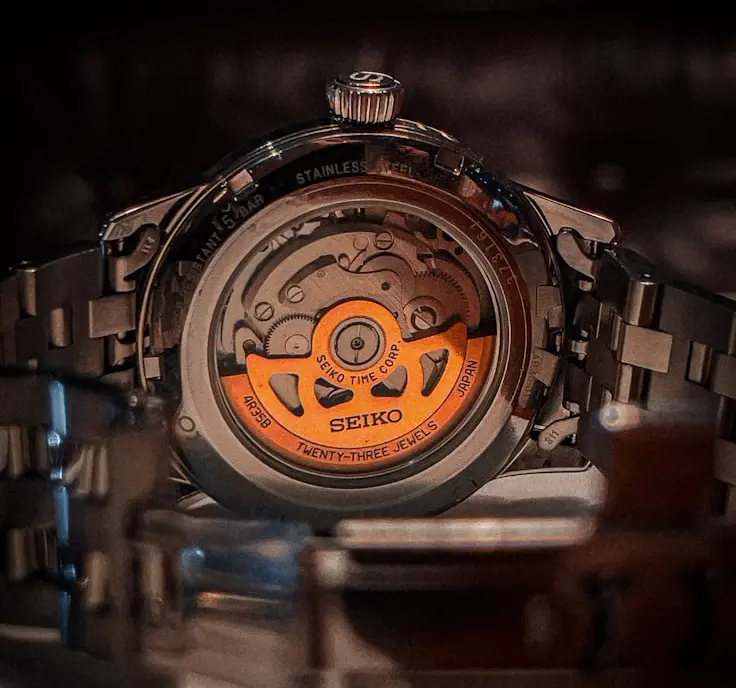
Sustainability in Asia's Watch Industry
The concept of sustainability has entered the world of the global watch industry. Most Asian manufacturers are embracing environmentally friendly practices in order to minimize waste and enhance production.
Eco-Friendly Materials
Firms are increasingly recycling metals, sourcing materials in a responsible manner and using packaging that is eco-friendly.
There are also brands that are substituting the traditional leather straps with eco-friendly ones to minimize their environmental footprint.
Cleaner Manufacturing
Most factories are investing in energy-saving equipment and better production processes.
Less waste production, recycling, and energy saving have become significant targets for manufacturers in Asia.
Sustainability will keep on increasing in watch production as more customers are becoming environmentally aware. It is becoming an important part of the future of Asian watchmaking.
The Future of Watchmaking in Asia
The future of Asian watchmaking looks very promising. The brands in the region are still advancing their technology, craftsmanship, and design and getting collectors worldwide.
A Growing Luxury Watch Market
The luxury watch market is increasingly becoming competitive with Japanese and Chinese brands.
Their commitment to in-house movements, high-quality materials, and advanced complications is contributing to their gaining more respect among collectors.
With quality steadily increasing, an increasing number of buyers are looking to Asian brands as well as established Swiss manufacturers.
What Collectors Can Expect
Within the next few years, collectors will be able to see:
- More advanced mechanical movements.
- Improved decoration and workmanship.
- New independent watch brands
- Increased consumption of sustainable materials.
- Further development of movement technology.
Such developments will contribute towards the establishment of a stronger position of Asia in the global watch industry.
Conclusion
Asian watchmaking has evolved a long way during the last several decades. What started as small workshops has become one of the most significant watch industries in the world.
The industry was transformed by Japan with innovative technologies such as the quartz technology and Spring Drive. China became one of the world's leading watch manufacturing hubs by developing sophisticated mechanical movements and a strong supply chain. South Korea, Hong Kong, Singapore, and India are some of the countries that are enhancing the status of Asia with design, trade, and retail and expanding manufacturing capacities.
Asian watches today are characterized by quality, precision, innovation, and value. The rise of Asia's watchmakers reflects how brands across the region are earning greater recognition for their craftsmanship, original designs, and technical expertise. As a first-time watch buyer or a long-time collector, you will find numerous exceptional watches in the region.
At Leitzeit, we celebrate the craftsmanship and innovation behind modern watchmaking. Discover the Axis Mundi, a mechanical world timer inspired by connection and exploration, and experience how modern Asian innovation meets timeless craftsmanship in a watch built for today's global traveler.
FAQs
Which Asian country is best known for watchmaking?
Japan is considered to be the leader in Asian watchmaking due to such brands as Seiko, Grand Seiko, and Citizen. The large-scale manufacturing and the increasing mechanical watch industry have also made China a major force.
Are Japanese watches as good as Swiss watches?
Japanese watches have a lot of accuracy, durability, and craftsmanship. Grand Seiko is a brand that is revered all over the world and one that is usually equated with other top brands of Swiss luxury watches.
What makes Asian mechanical watches different?
Asian mechanical watches are a mixture of good engineering, new technology, and affordable prices. Most brands also make the more advanced complications, which were previously available only in the costly luxury watches.
Are watches made in Asia reliable?
Yes. Most of the Asian watch brands are reputed to produce quality watches that are reliable and durable. The Japanese manufacturers have established a good reputation for quality and precision, and the Chinese companies are still enhancing their quality and innovations.
How did Asia become a global watchmaking leader?
Asia has emerged as a leader by investing unremittingly in technology, production, qualified engineering, and innovation. The quartz revolution in Japan and the rise of manufacturing in China contributed to changing the global watch industry.
Which Asian watch brand is the most respected?
Grand Seiko is regarded as one of the most revered Asian watch brands due to its high precision, in-house movements, and excellent craftsmanship.