The type of glass is just as crucial as the design when choosing a watch. While sapphire crystal stands out for its exceptional clarity and durability, mineral glass is an affordable and sturdy option for everyday use. Understanding these differences allows you to choose the right watch that suits your lifestyle and expectations.
What is sapphire crystal in watches?
Sapphire crystal is one of the hardest and highest-quality materials used in watchmaking. It is made from synthetic sapphires created in laboratories to replicate the hardness and beauty of natural sapphires. This gives the glass an extremely durable surface that is very difficult to scratch compared to standard materials.
It is primarily used in luxury watches and high-end models. On the Mohs scale, its hardness is surpassed only by diamonds, making it suitable for daily wear without losing its shape. Even after several years of everyday use, it remains crystal clear and flawless.
Sapphire crystal also offers excellent optical clarity. Thanks to its crystal-clear surface, the dial can be easily read under all lighting conditions. Its polished and glossy finish provides an elegant and high-quality appearance, enhancing the distinctive look of your watch.
If you value durability, scratch resistance, and a refined appearance, this glass is the ideal choice. It transforms an ordinary watch into a timeless piece that retains its beauty for decades.
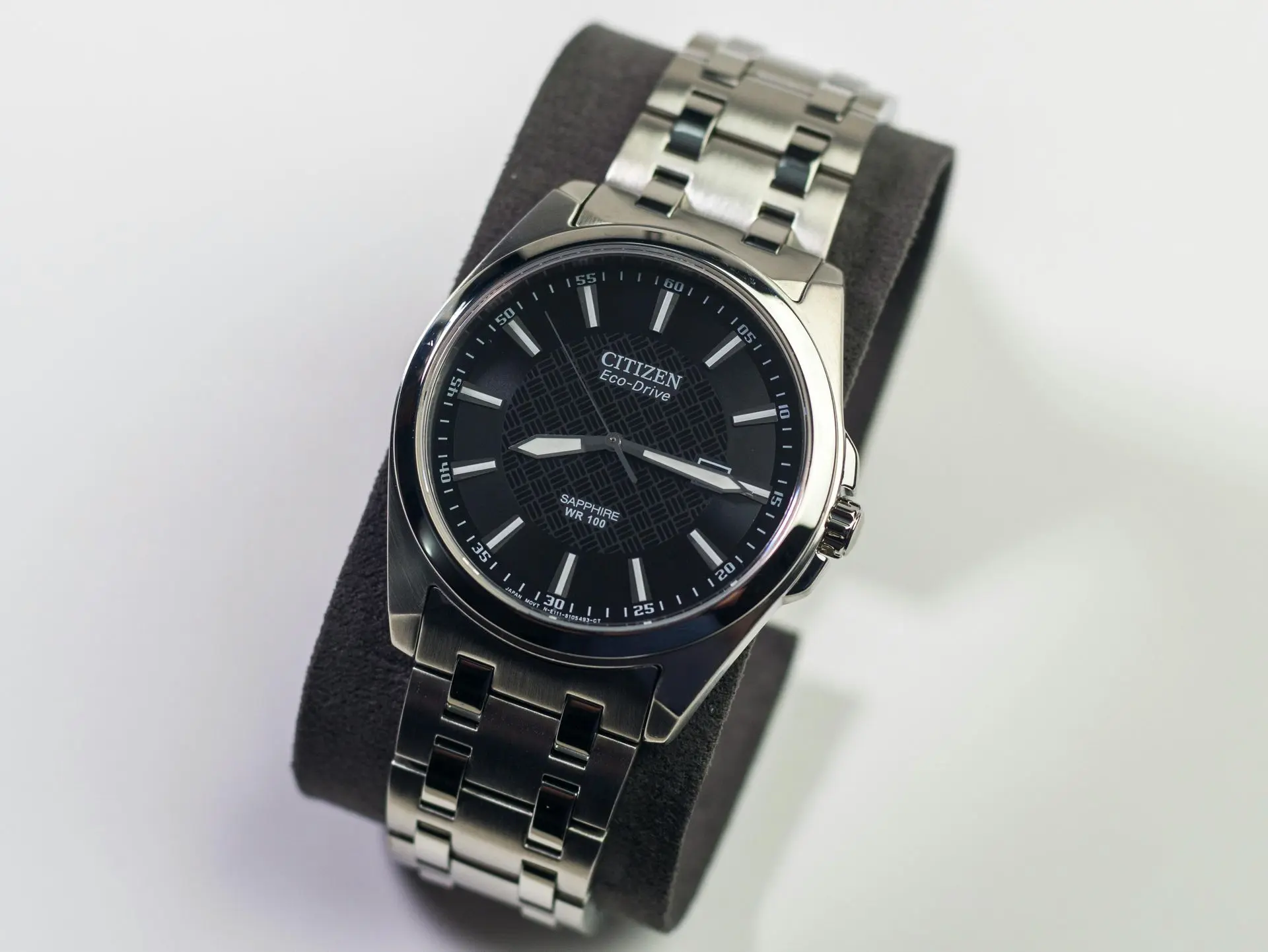
What is mineral glass in watches?
Another material commonly used in watchmaking is mineral glass. It is produced by heating and treating regular glass with heat and chemicals, making it more resistant and scratch-resistant. This process gives mineral glass a sturdier surface than ordinary glass—at an attractive price.
Mineral glass is commonly used in mid-range and entry-level watches. It offers a balanced combination of clarity, durability, and cost. Compared to sapphire crystal, it can scratch more easily, but it is less prone to breaking from impacts or drops. Its relative flexibility makes it a practical option for everyday use.
Mineral glass is the best choice if you are looking for a reliable yet affordable and visually appealing watch. While it lacks the luxurious shine of sapphire crystal, it offers high practicality for casual use and dependable performance in everyday life.
Sapphire Crystal vs. Mineral Glass: Key Differences
1. Scratch Resistance and Durability
Sapphire crystal excels in scratch resistance. It has a rating of 9 on the Mohs hardness scale. Mohs hardness scale, while mineral glass has a rating of around 6. This means it can hardly be scratched by anything, except diamonds or materials of similar hardness.
Although mineral glass is robust, it can develop slight scratches over time. Keys, coins, or light impacts can leave marks on the surface. Nevertheless, it is somewhat better at absorbing sudden shocks because it is more flexible. For this reason, sapphire glass always remains flawless on the surface, while mineral glass can withstand even a strong impact without breaking easily.
Sapphire glass will impress you if a permanently well-maintained appearance is important to you. Mineral glass, on the other hand, stands out for its price and impact resistance.
2. Clarity and Transparency
Sapphire glass is unrivaled in terms of brilliance. It offers a high-resolution, refined display that does not distort the dial even after years of use. The transparency remains consistently intact, ensuring you always have a crystal-clear, premium view of your dial.
Special versions of sapphire glass also feature an anti-reflective coating that reduces glare. Thanks to this coating, the time can be read effortlessly even in direct sunlight.
In contrast, mineral glass is transparent but not optically pure. Additionally, scratches over time can affect visibility, especially from certain angles. Nevertheless, mineral glass is considered a good value-for-money option with reasonable clarity for affordable casual watches.
Sapphire glass is the preferred choice if you value a crystal-clear view that matches your style.
3.Impact Resistance
Sapphire glass is extremely durable but also brittle. It can crack or shatter when exposed to unexpected shocks or hard impacts. While this is rare, it is particularly relevant if you wear your watch during outdoor activities or other physically demanding situations.
Mineral glass is softer and more flexible, allowing it to absorb shocks more effectively. For this reason, most rugged sports watches are equipped with mineral glass, as it is less prone to cracking from impacts or falls.
If your daily life involves outdoor activities or manual work, mineral glass is the safer choice. Sapphire glass, on the other hand, is the better option when elegance and long-lasting quality are your top priorities.
4. Cost and Replacement
Sapphire glass is more expensive to produce; for this reason, it is primarily used in luxury watches or premium-segment models. Nevertheless, it offers superior utility. It is highly scratch-resistant, so its appearance remains unaffected even after several decades—making replacement generally unnecessary.
Mineral glass, on the other hand, is more affordable and easy to replace, but it may require more frequent maintenance. With daily use, minor scratches or cracks can develop over the years.
Thus, while the initial purchase may be more expensive, it proves to be more cost-efficient in the long run due to its high durability.
Comparison Table: Sapphire Glass vs. Mineral Glass
Features
|
Sapphire Glass
|
Mineral Glass
|
Composition
|
Synthetic aluminum oxide crystal
|
Chemically hardened glass
|
Hardness (Mohs Scale) | 9 | 5 to 6 |
Scratch Resistance
|
Extremely high
|
Moderate
|
Impact Resistance
|
Lower
|
Higher
|
Clarity
|
Excellent and transparent
|
Good, but slightly less clear
|
Maintenance
|
Easy to clean
|
Scratches may remain tangible
|
Cost
|
Higher
|
Lower
|
Usage
|
Luxury and premium watches
|
Budget and mid-range watches
|
This table illustrates why sapphire glass is the preferred choice for high-quality watches: it is more durable, superior in quality, and exudes luxury. Mineral glass, on the other hand, is a practical, cost-effective, and reliable option for everyday use.
Which Watch Glass Is Right for You?
1. For Everyday Use
If you wear your watch daily and value practicality, mineral glass is the better choice of the two. It is durable, affordable, and offers impressive clarity for its price. Additionally, replacement in the event of scratches does not involve high costs.
2. Long-Term Value and Luxury
For premium watches or long-term investments, sapphire glass is unbeatable. It stands out for its strength and clarity and is extremely scratch-resistant. This makes it the ideal choice if you want to ensure that your watch still looks like new even after years.
3. For Adventure and Sports Watches
Mineral glass offers greater flexibility against unexpected shocks, which is especially beneficial for outdoor enthusiasts. Some brands go even further by using hybrid materials—a combination of mineral glass with a sapphire coating—to combine the advantages of both materials.
4. For Collectors and Professionals
In this case, sapphire glass is the better choice if you are a collector or industry professional and value prestige as well as resale value. It enhances the watch's appeal and represents a higher-quality, long-lasting investment.
Identifying Sapphire Glass in Watches
To determine whether your watch is equipped with sapphire glass, you can easily check it using the following methods:
-
Water Droplet Test: Place a drop of water on the glass. If it remains as a small, compact bead, it is most likely sapphire glass.
- Reflection Test: The reflection appears slightly bluish, as the glass is coated.
- Scratch Test: To be used with caution—sapphire glass cannot be scratched by most metals.
- Check Manufacturer Specifications: Most watch brands indicate the type of glass used in the technical specifications or on the case back of the watch.
These are some quick tests that can help you determine the quality and authenticity of your watch glass.
Practical Examples: Wristwatches and Their Types of Glass
Rolex, Omega, and TAG Heuer are luxury brands that use sapphire glass in almost all their models. These watches maintain their ideal transparency for decades, which significantly contributes to their luxurious value.
Meanwhile, mineral glass is often used by brands like Casio, Seiko, and Citizen in the entry-level segment. These models offer good performance at lower costs, making them ideal for everyday use.
Other mid-range watches, such as Seiko’s Prospex series, feature hardened mineral glass or sapphire-coated mineral glass. These hybrid models are more scratch-resistant and durable.
Whether sapphire glass or mineral glass—you don’t need to worry about which option to choose, as long as you know which brands use which type of glass. This way, you can make an informed and smart purchasing decision.
Maintenance and Care Tips
Whether sapphire or mineral glass—with proper care, your watch glass will remain in excellent condition.
For Sapphire Glass:
- Regular cleaning should be done with a microfiber cloth.
- Avoid exposing the watch to hard impacts and do not drop it.
- Also avoid contact with diamond jewelry or other extremely hard materials.
For Mineral Glass:
- Remove dust and fingerprints daily with a soft cloth.
- Avoid contact with hard metals and rough surfaces.
- For minor scratches, use a special watch glass polish designed for this purpose.
To extend the lifespan of your watch and keep it looking like new, always keep the watch glass clean.
Conclusion
The choice between sapphire and mineral glass is a matter of personal preference and depends on how you wear your watch. Sapphire glass provides premium protection, is crystal-clear, and unmatched in scratch resistance. Mineral glass, on the other hand, is more practical, offers greater impact resistance, and is more affordable.
At Leitzeit, we believe your watch should be made from the finest materials suited to your lifestyle. That’s why we recommend sapphire glass to anyone who values timeless beauty and absolute reliability. Explore our selection of premium watches today and find your ideal model—designed for durability and a stylish presence.