When you see a watch, you may think that it is just telling time. However, in the watch industry, watches can be more than that. Many mechanical watches today have additional features that make them more sophisticated, functional and interesting.
These additional functions are known as watch complications, transforming a basic timepiece into a small mechanical machine with clever functions. These capabilities include date and time tracking, moon phase display and more, making watches more than just timepieces.
At Leitzeit, we explain watch complications simply and clearly so you can select the right watch with confidence. This guide will teach you what these functions are and why they are important in everyday life and luxury watchmaking.
What Are Watch Complications?
Watch complications refer to any additional functions in a watch other than the basic timekeeping (hours, minutes and seconds).
A typical watch is only used for time. When a watch has more mechanical functions, however, they are known as complications.
The complications are constructed from small gears, springs and wheels within the watch mechanism. They cooperate with the main timekeeping system to accomplish additional functions.
Some typical watch complications are:
- Date display
- Day of the week indicator.
- Stopwatch (chronograph)
- Two time zones (GMT)
- Moon phase display
- Advanced calendar systems
Simply put, if a watch does more than just tell time, it has complications.
These are not digital applications but mechanical systems, precision engineered.
How Watch Complications Work (Basic Foundation)
To learn about complications, you must first learn the basic engine of a watch.
There are three important components in a mechanical watch:
- Mainspring: Wind the watch or wear it and it stores energy to be used later.
- Gear System: That energy is transferred through tiny wheels
- Escapement: Regulates the escape of energy to keep time correct
Here is the simple idea:
Watch complications are additional gear systems that are installed atop this same engine.
They are not a substitute for the movement. They perch on top of it and utilize its energy to undertake additional tasks.
There are 2 primary sorts of watches:
Type | How It Works | Complication Capability |
Battery-powered electronic system | Limited complications | |
Spring + gears system | Rich and advanced complications |
In mechanical watches, engineers can physically design extra mechanical layers that are responsible for most luxury watch complications.
So when you hear watch complications, consider them as intelligent mechanical enhancements within a wrist-mounted, miniaturized gadget.
Simple Watch Complications (Easy Everyday Functions)
So now let's begin with the easiest and most common complications you encounter in everyday life.
Date Complication
A date complication is a complication that displays the current date, e.g., 12, 18 or 25.
Inside the watch:
- A small wheel turns once every 24 hours.
- The wheel moves on to the next number at midnight.
This process seems straightforward, yet the timing needs to be very precise. The date display is incorrect if the jump occurs too early or too late.
This complication is used daily. It helps you not to consult your phone just to see the date.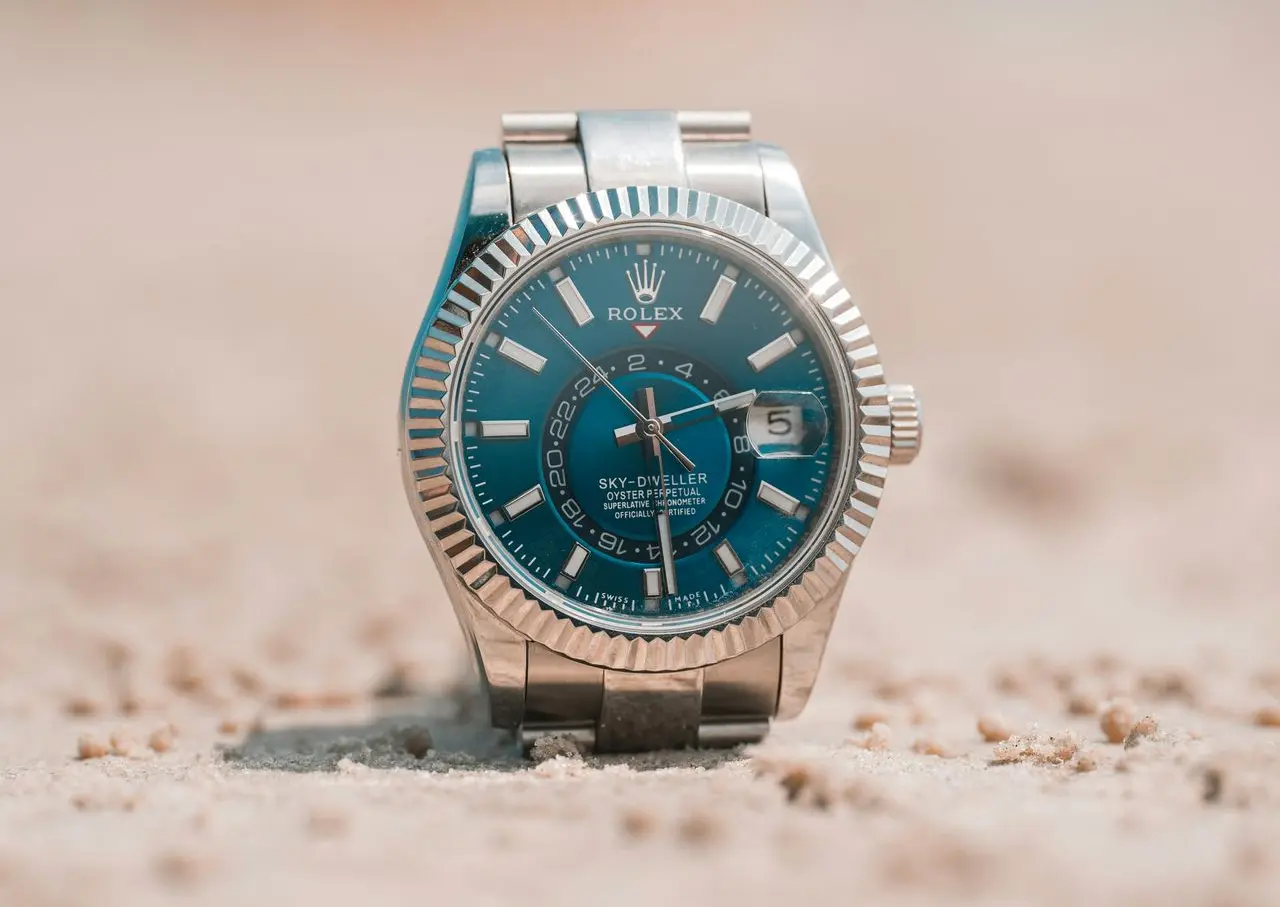
Day-Date Complication
This complication shows:
Day of the week (Monday, Tuesday, etc.)
Date of the month
Inside the watch:
- There are two separate discs behind the dial.
- The day is controlled by one, the date by the other.
- They both spin at different speeds
This is typically found in dressy or business watches.
It keeps you organized, particularly in work or school activities, without constantly looking at your phone.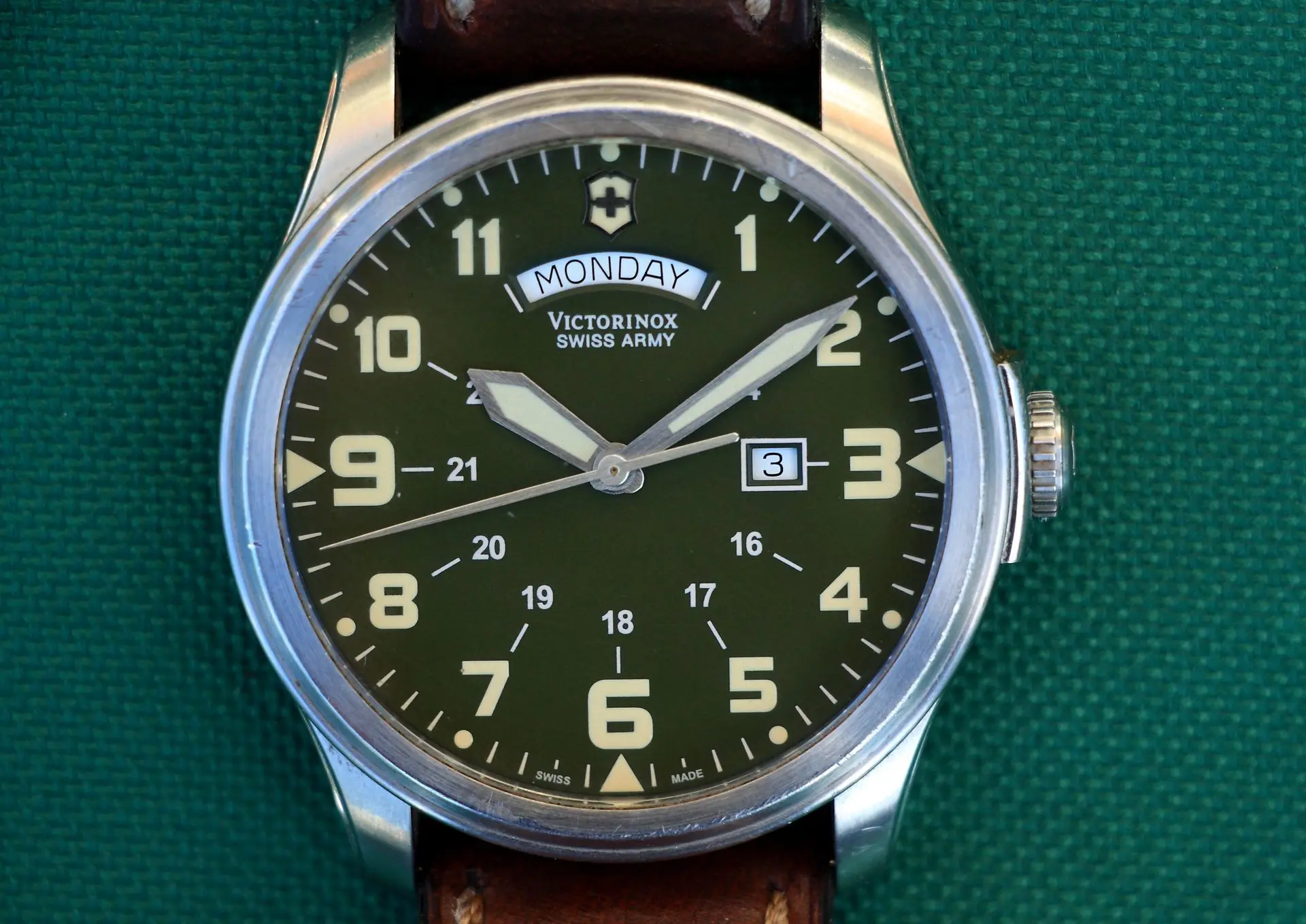
Power Reserve Indicator
A power reserve indicator will indicate how much energy your watch still has to spare.
Imagine it as a car's fuel gauge.
Inside the watch:
- A mainspring is used to store energy
- A mechanical gauge measures the amount of energy that is left.
- The dial indicates “full,” "medium" or “low” power
When the indicator is low, you know that you need to wind or wear the watch.
This complication is useful for mechanical watch users as it will not allow your watch to stop unexpectedly.
Functional Everyday Watch Complications
Now let's move on to some more complicated complications that are still quite practical.
Chronograph (Stopwatch Function)
A chronograph is a watch that can be used as a stopwatch.
Controlled by side buttons:
- Start
- Stop
- Reset
Inside the watch:
- Additional timing gears adjust timing
- Seconds, minutes and hours are shown on sub-dials
A chronograph can be used in sports, running, racing, gym workouts, cooking and even work timing. This is one of the most popular watch complications as it gives the watch a real-world function.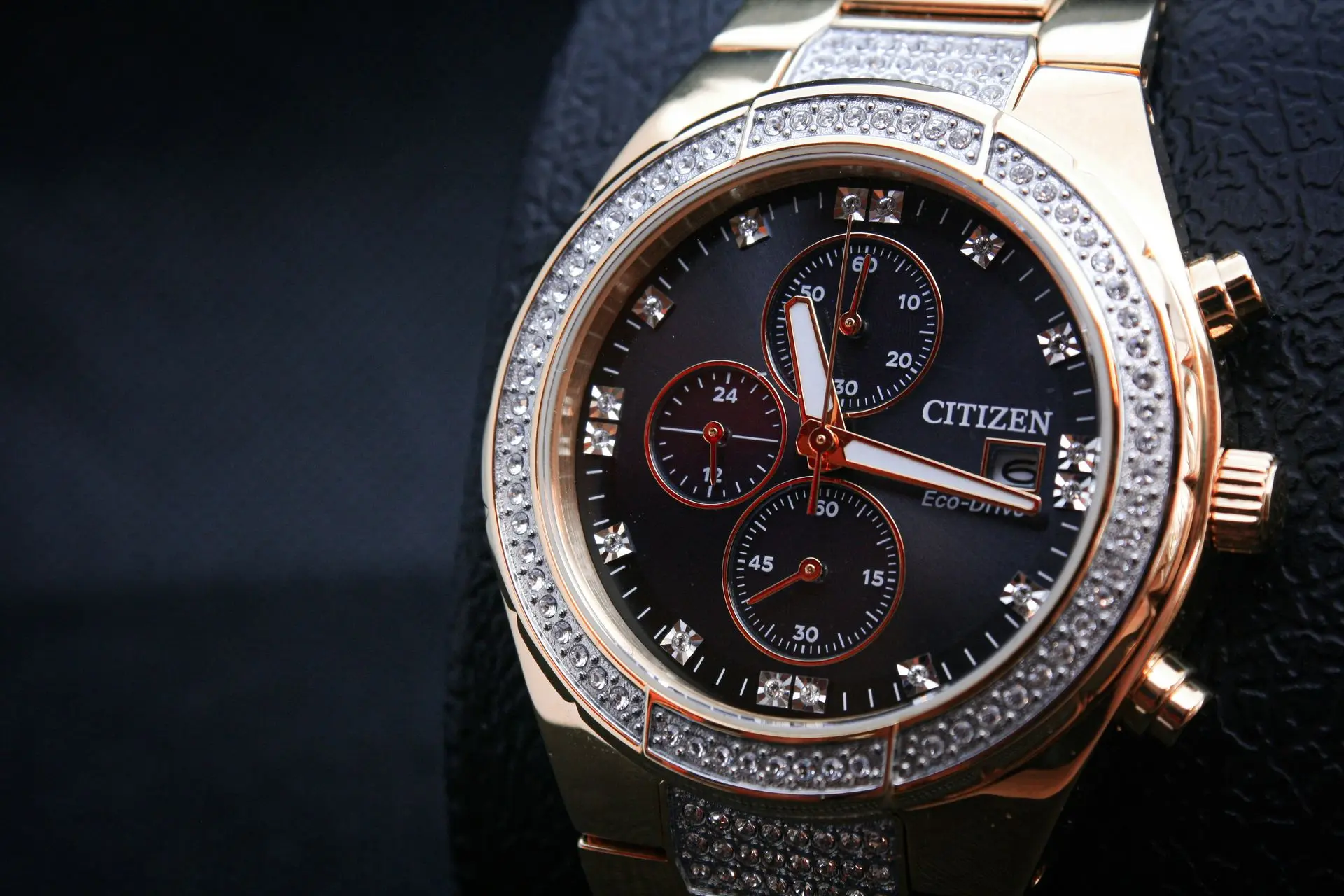
GMT / Dual Time Zone
A GMT watch shows two time zones at the same time.
How it works:
- A 24-hour hand turns around once a day.
- You configure it to a second time zone
It is very handy for traveling or communicating internationally.
Example:
- Local time: Pakistan
- GMT hand: United Kingdom
GMT watches are popular among travelers, business professionals, and remote workers who regularly work across multiple time zones. The Leitzeit Axis Mundi builds on this concept by combining the Miyota 9075 true GMT movement with a world timer display, allowing the wearer to reference all 24 global time zones at a glance while enjoying the convenience of an independently adjustable local hour hand.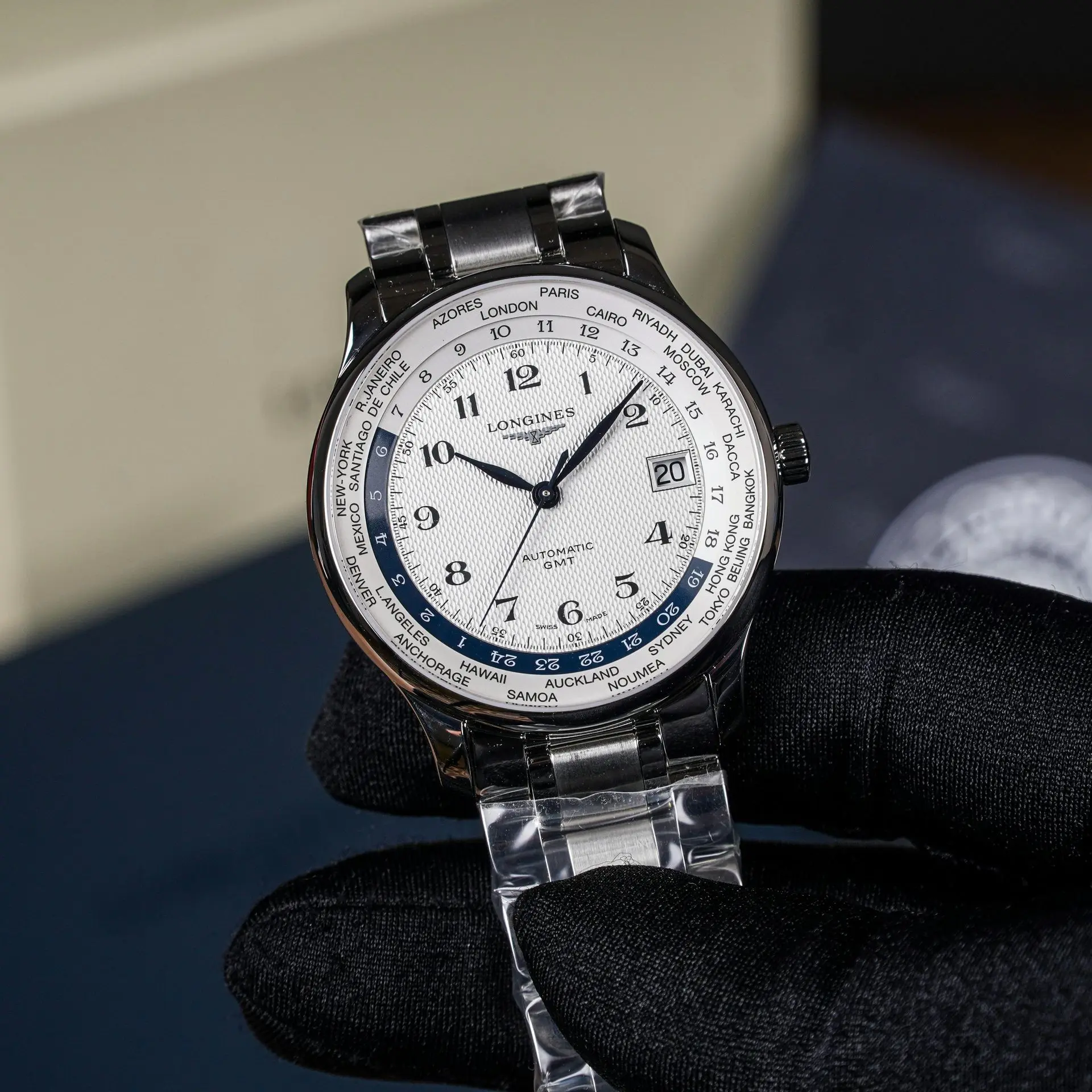
Alarm Complication
An alarm complication allows your watch to sound an alarm at a certain time.
Inside the watch:
- A small mechanical hammer is used to hit a metal gong.
- This produces a ringing sound.
It is similar to a conventional reminder system, but prior to the advent of smartphones. Even today, it lends a function and vintage charm to a watch.
Advanced Watch Complications (High-Level Engineering)
Now it is time for luxury and high-end watchmaking. The complications demonstrate true engineering prowess.
Moonphase Complication
A moonphase complication displays the current moon phase.
Inside the watch:
- A rotating disc slowly moves the dial.
- It is based on a 29.5 day lunar cycle
It shows:
- New moon
- Half moon
- Full moon
This complication is not of great practical value today, but it certainly brings emotional and artistic value to the watch.
Moonphase watches are popular amongst collectors because they relate mechanical engineering to the natural cycles.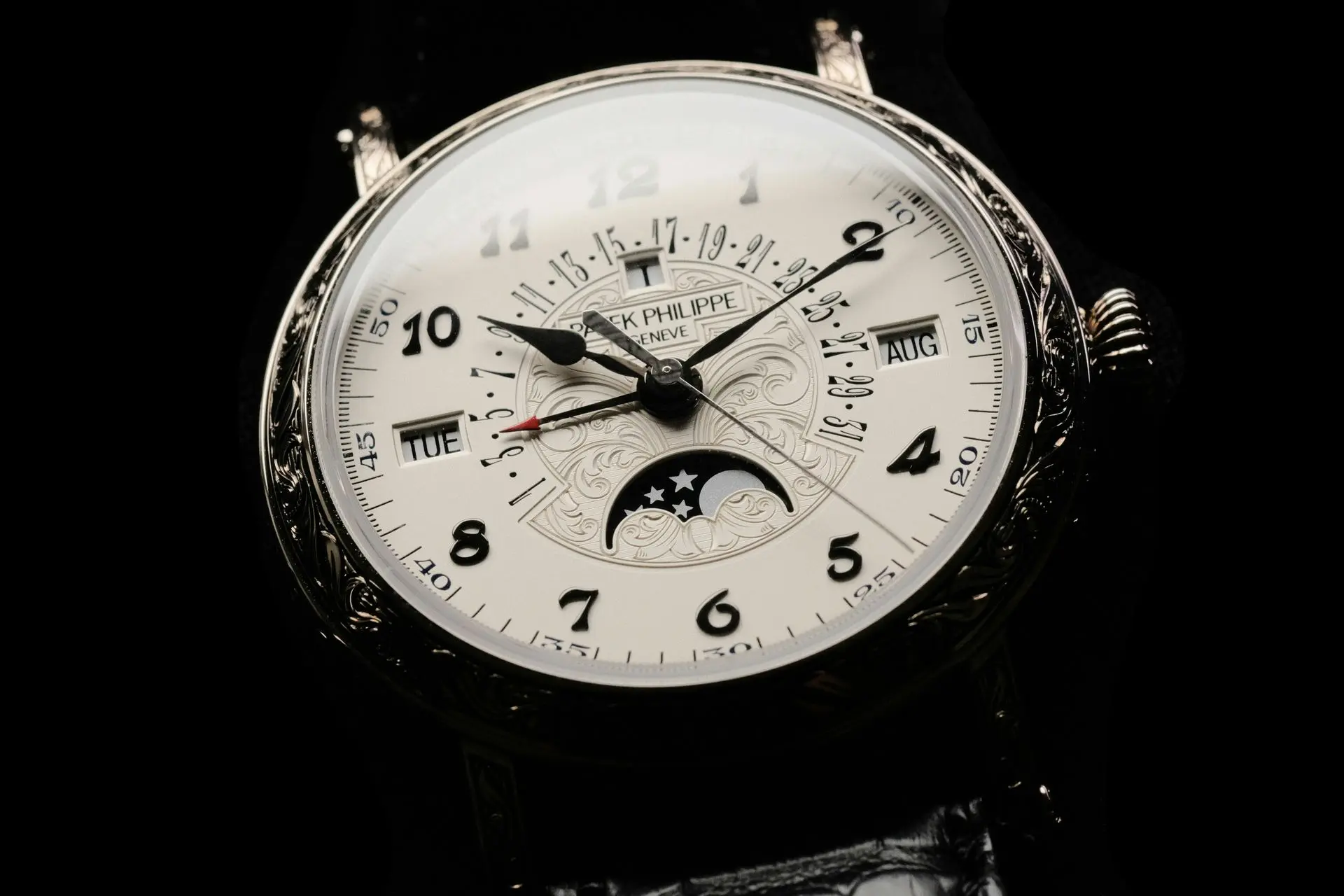
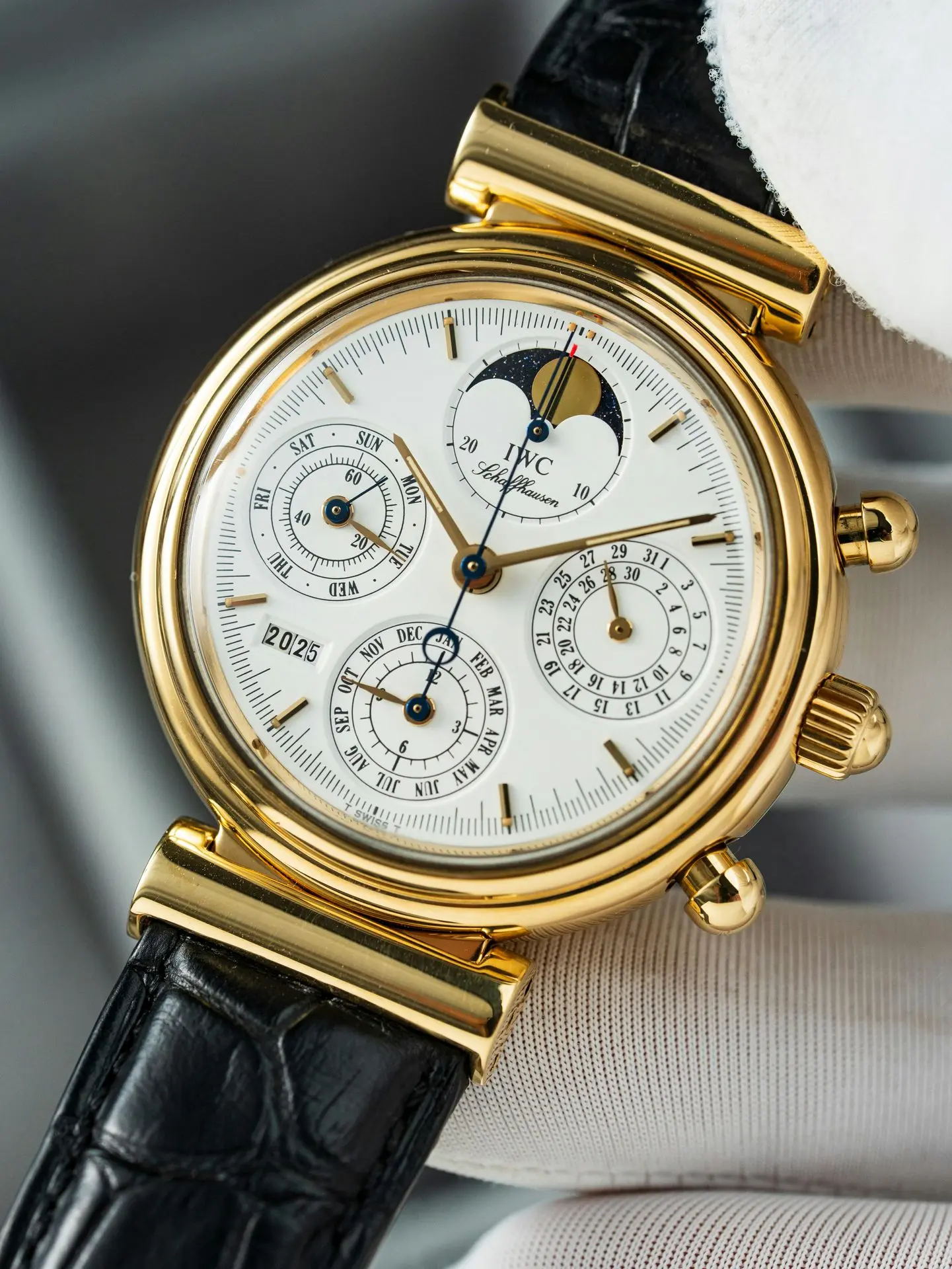
Perpetual Calendar
A perpetual calendar is one of the most ingenious watch complications ever invented.
It automatically tracks:
- Days of the week
- Months of the year
- Leap years
Most watches will not require manual setting until 2100.
Inside the watch:
- Very complicated gearwork is used to store calendar rules.
- It automatically knows the number of days in each month.
- It is correct for February in leap years
Feature | Normal Calendar | Perpetual Calendar |
Leap Year Handling | Manual adjustment | Automatic |
Month Lengths | Manual correction | Fully automatic |
Accuracy Over Time | Low | Very high |
That's the reason why perpetual calendars are costly and esteemed in horology.
Tourbillon
A tourbillon contributes to the accuracy of mechanical watches.
Problem:
When the watch is not moving, gravity influences the movement.
Solution:
The whole escapement is contained within a cage that rotates.
The cage rotates all the time
This minimizes the timing errors due to gravity.
We see tourbillons more as mechanical art than as everyday instruments at Leitzeit.
They are the most skilled and precise in engineering.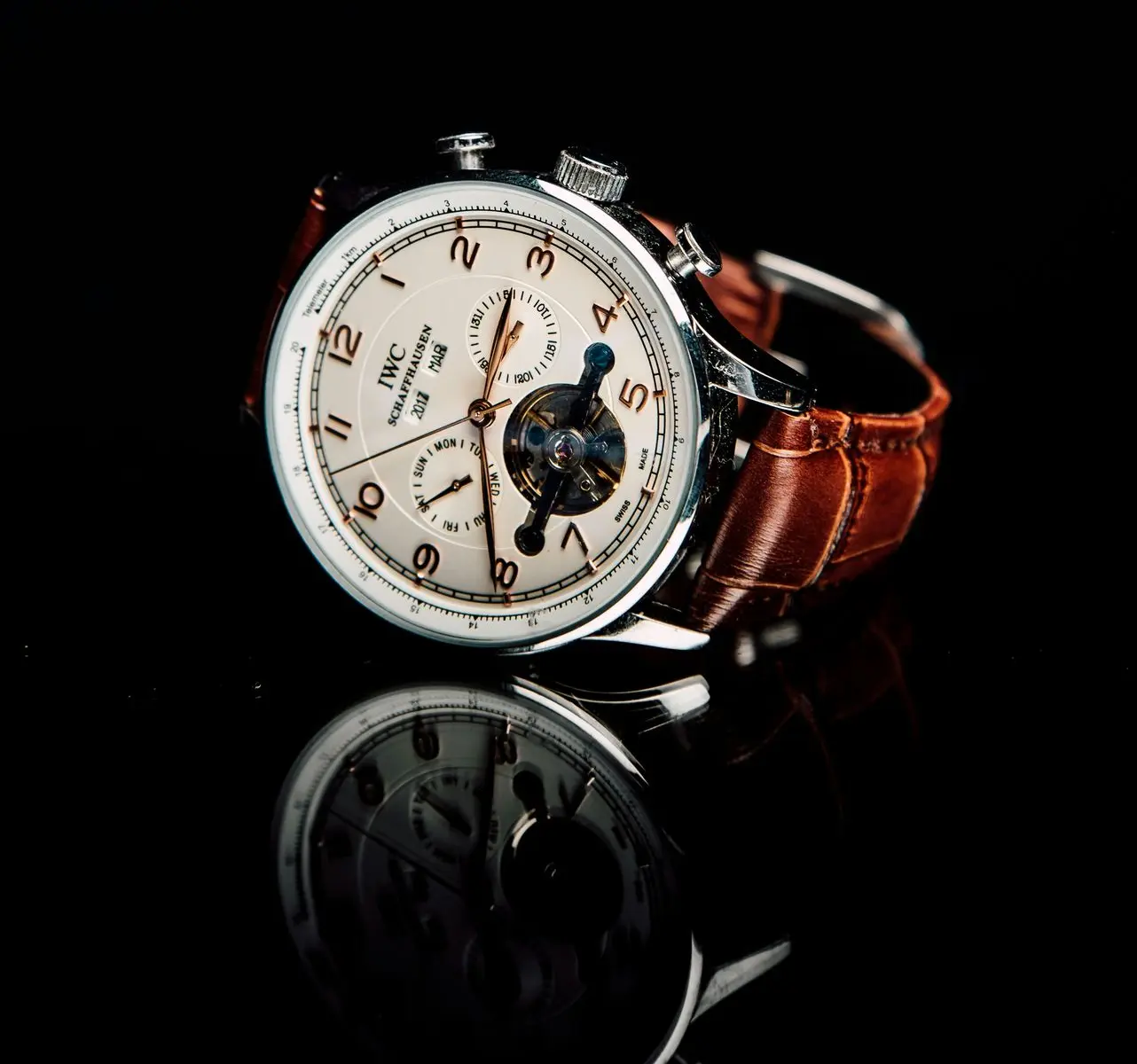
Minute Repeater
One of the most impressive and rare complications is a minute repeater.
It tells time using sound instead of hands.
How it works:
- You turn on a side lever
- The watch chimes on the hour, the quarter hour and the minutes.
Inside the watch:
- Tuned gongs are hit with tiny hammers
- Every sound corresponds to a certain time unit
This complication was used to tell time in the dark before the use of electricity.
Today, collectors still regard it as one of the greatest accomplishments in watchmaking.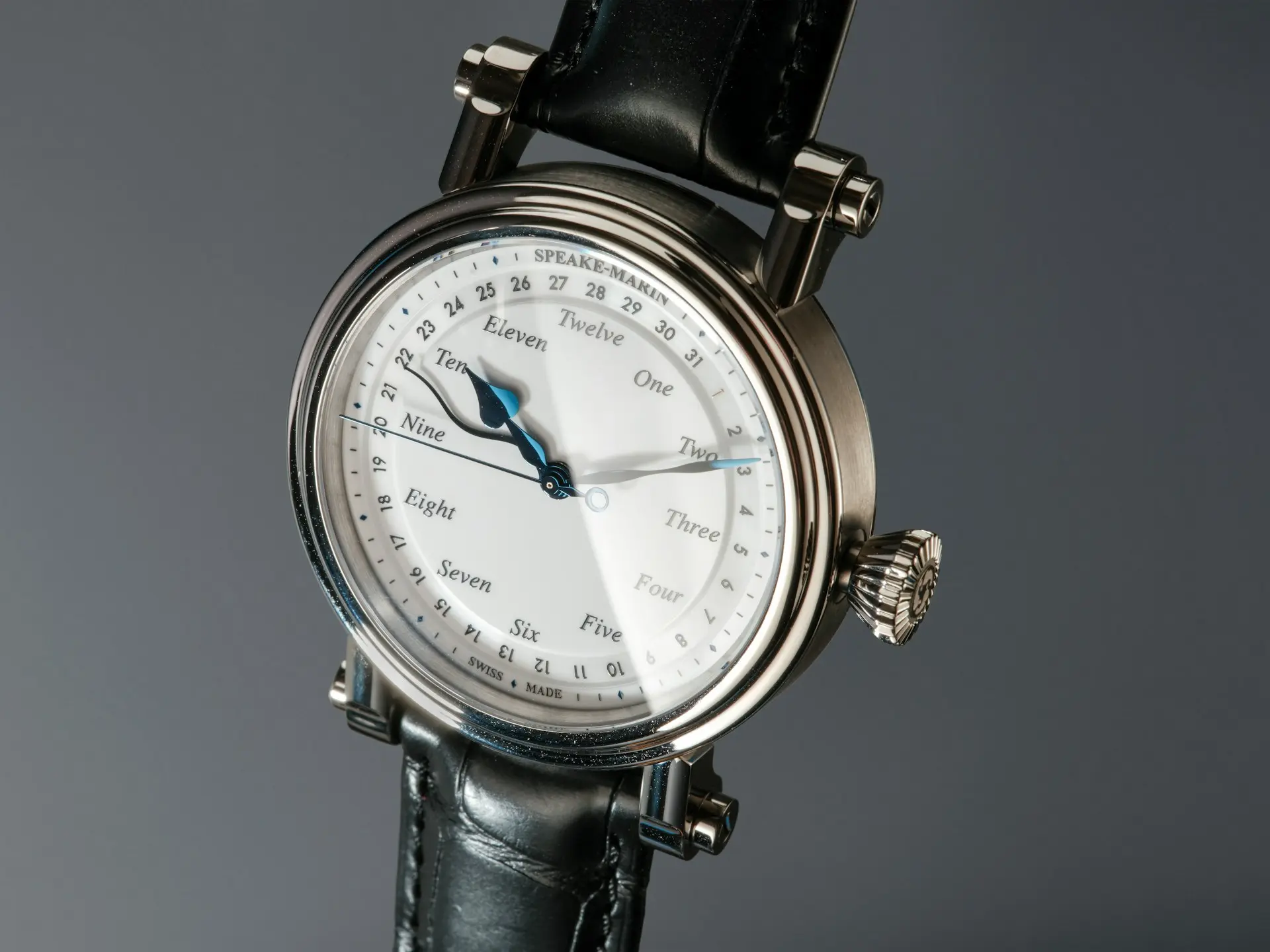
Grand Complications: When Everything Comes Together
A grand complication watch is a timepiece that has a number of advanced features. These watches can come with:
- Chronograph
- Perpetual calendar
- Moonphase
- Minute repeater
These watches are built with utmost precision, engineering and years of development. All of the little gears need to move in perfect harmony. Any misalignment or timing error can cause the whole system to halt or impact accuracy.
Grand complications are the ultimate in watchmaking, combining the mechanics, art and innovation into one design.
Level | Example Features | Difficulty |
Basic | Date, Day | Low |
Intermediate | GMT, Chronograph | Medium |
Advanced | Tourbillon, Moonphase | High |
Grand Complication | Multiple systems combined | Extreme |
Why Watch Complications Matter
So why not just use a phone? you might ask, why a complicated watch?
The actual answer is effortless. Watch complications matter because they are a combination of engineering, craftsmanship, and real world function in one mechanical object.
They show:
- High-level engineering skill
- Mechanical beauty and precision.
- The work of human hands and the traditions of mankind
- Luxury value and exclusivity.
Meanwhile, they also offer valuable everyday resources like the following:
- Stopwatch to time activities
- Two time zones for travelling and working
- Planning calendar functions
You are not only wearing a watch; you are wearing a piece of mechanical art that's useful as well.
How to Choose the Right Watch Complications
Never pick watch complications at random. Rather, pair them up with your lifestyle and what you need to do every day.
Lifestyle | Best Complications |
Student | Date, Day-Date |
Traveler | GMT, World Time |
Athlete | Chronograph |
Business Professional | Power reserve, GMT |
Collector | Moonphase, Tourbillon |
At Leitzeit, we always lead the user to think of function first, not just complexity and design.
More complications does not necessarily mean better. The most important thing about the watch is that it should be comfortable and fit your lifestyle.
Maintenance of Watch Complications
The more complicated it is, the more parts it has, the more care it requires.
In order to maintain your watch in good condition, you should:
- Service your watch every 3–5 years
- Avoid strong magnets
- Preventing shocks and drops
- If mechanical, wind it correctly.
There are many moving systems in a complex watch, and proper maintenance will ensure its accuracy and longevity.
Even the priciest watch will lose accuracy over time if you do not maintain iyou do not maintain it.
Conclusion
Watch complications do more than just add features. They are small mechanical devices that operate within a very well-designed machine on your wrist. But, once you know them, you begin to see watches in a whole new light.
No longer is it just style; it is engineering, history and craftsmanship all working together. We think it is important to know what the watch complications are at Leitzeit so you can make a better decision, not just a quick one.
Our Leitzeit team is here to help you discover the best watches that have the perfect complications for your life with clear, honest and personalized recommendations.
FAQs
What are watch complications in simple words?
Watch complications are additional watch functions apart from time, like the date, stopwatch, or moon phase.
What is the most complicated watch feature?
Among the most complicated and sophisticated watch complications are the minute repeater and perpetual calendar.
Are watch complications useful in daily life?
Yes, basic complications such as date, GMT and chronograph are very useful for everyday use.
Why are complicated watches expensive?
They need cutting-edge engineering, craftsmanship and hundreds of tiny mechanical parts to work together.
What is the difference between a chronograph and GMT?
The chronograph is like a stopwatch and GMT displays more than one time zone simultaneously.
Do all luxury watches have complications?
No, many luxury watches are simply designed and have no complications.