Die Uhrenindustrie hat sich weiterentwickelt. Heute muss man sich nicht mehr zwischen einer bekannten Luxusmarke und einer gewöhnlichen Massenmarkenuhr entscheiden. Uhren-Mikromarken bieten Liebhabern einzigartige Designs, mechanische Uhrwerke, limitierte Produktionsauflagen und einen direkten Kontakt zu kleineren Marken. Diese Kombination hat dazu beigetragen, dass unabhängige Uhrenmarken bei Sammlern und Erstkäufern zunehmend an Aufmerksamkeit gewinnen.
Für Uhrenliebhaber geht es nicht nur um den Preis. Man kann eine Uhr finden, die sich von anderen abhebt, mehr über die Entstehungsgeschichte der Marke erfahren und manchmal sogar direkt mit den Menschen sprechen, die sie gefertigt haben. Wir bei Leitzeit halten diese Verbindung für wichtig, denn eine mechanische Uhr sollte mehr bieten als nur einen bekannten Namen auf dem Zifferblatt. Wir setzen auf durchdachtes Design, mechanische Ingenieurskunst, Transparenz und langfristige Wartungsfreundlichkeit.
What Are Watch Microbrands?
Uhren-Mikromarken sind kleine, unabhängige Uhrenunternehmen, die in der Regel geringe Stückzahlen produzieren und ihre Uhren häufig direkt an die Kunden verkaufen. Diese Marken werden meist von kleineren Teams geführt als große Uhrenhersteller und können sich auf ein bestimmtes Design, eine Komplikation, ein Material oder eine bestimmte Gruppe von Uhrenliebhabern spezialisieren.
Die Größe eines Unternehmens ist kein eindeutiges Kriterium für die Definition einer „Mikromarke“. Einige Marken produzieren nur wenige Hundert Uhren, während andere im Laufe der Zeit wachsen und sich zu größeren Unternehmen entwickeln. Typischerweise zeichnen sie sich durch ihre unabhängige Organisation, ein klar begrenztes Produktsortiment und eine enge Kundenbindung aus.

Wie unterscheiden sich Mikromarken von traditionellen Uhrenmarken?
Ein traditioneller Uhrenhersteller kann auf eine jahrzehntelange Geschichte, ein großes Vertriebsnetz, zahlreiche Kollektionen, eigene Boutiquen und etablierte Beziehungen zu Einzelhändlern zurückblicken. Eine Mikromarke hingegen beginnt in der Regel als deutlich kleineres Unternehmen.
Diese kleinere Unternehmensstruktur kann einer Marke noch mehr Freiheit bieten. Eine Mikromarke kann ein Produkt gezielt für eine bestimmte Gruppe von Uhrenliebhabern entwickeln, anstatt sich an den gesamten Weltmarkt zu richten.
Beispielsweise könnte sich eine Marke ganz auf Taucheruhren konzentrieren, während eine andere auf Field Watches, GMT-Uhren, Weltzeituhren oder ausgefallene Zifferblattdesigns spezialisiert ist.
Feature | Watch Microbrands | Traditional Watch Brands |
Production | Often smaller batches | Usually larger established production |
Product Focus | Often niche-oriented | Usually broader collections |
Distribution | Frequently direct-to-consumer | Often retailers, boutiques, and online |
Brand History | Usually newer | Often established for decades |
DesignFreedom | Often highly flexible | Varies by company |
Customer Relationship | Often more direct | May involve retailers or dealers |
Availability | Can vary by production run | Usually more established |
This does not mean that one category is necessarily preferable to the other. It just provides you with additional choices when it comes to picking a watch.
Microbrand vs. Independent Watchmaker
Microbrand is not necessarily an independent watchmaker. Microbrand is a small watch company, and an independent watchmaker can be a creator or a company that is not a part of a bigger watch group or a large corporate structure.
There are some brands that do both. Others install only one.
That distinction is important because “independent” does not necessarily indicate that a company makes all of the parts in-house. Many independent brands use specialist suppliers to get their movements, cases, crystals, bracelets, and more.
But it is more important how transparent the company is when it comes to their design, manufacturing, sourcing, quality control, and service strategy.
Why Are Watch Microbrands Becoming More Popular?
Watch microbrands are becoming popular as fans desire more options, unique designs, competitive specifications, direct brand connections, and watches that aren't the norm. These smaller brands are also easier to find since online communities and direct-to-consumer sales have made it easier to discover.
The category is receiving a lot of attention, as evidenced by recent watch coverage. In 2026, a market report from Horologius identified 481 independent watch brands in five markets and monitored search demand, and another industry index revealed hundreds of independent brands and thousands of models. While there are varying definitions and methodologies across different reports, these figures do illustrate the scale and diversity of the microbrand landscape today.
Let's examine why that growth is occurring.
1. Enthusiasts Want Something Different
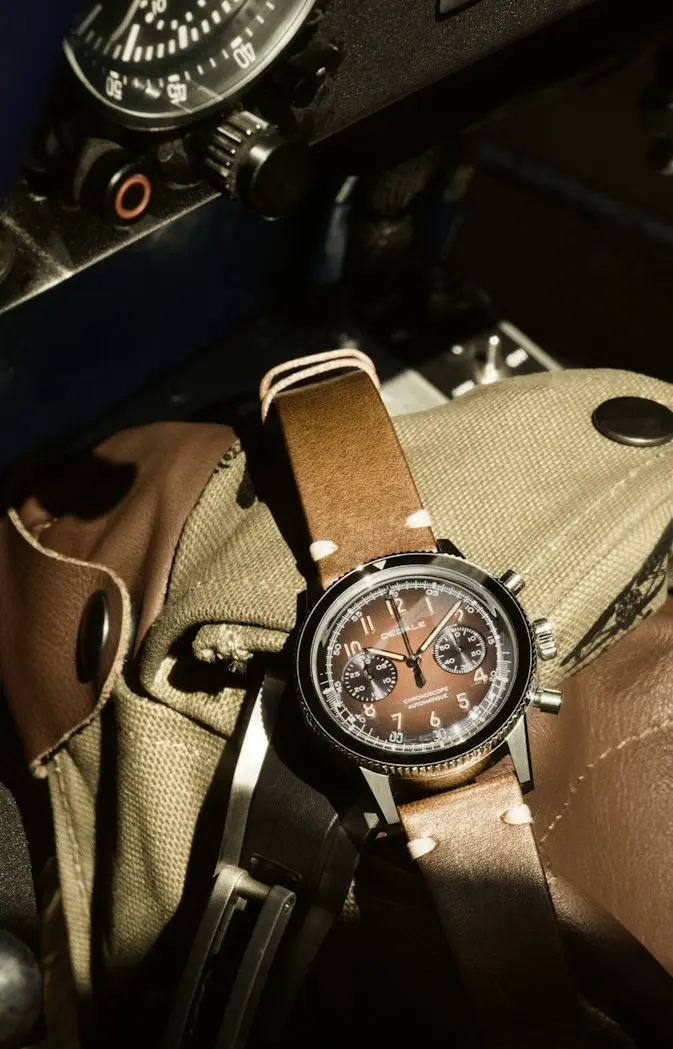
Microbrands provide watch connoisseurs with additional opportunities to discover designs that fall outside of the mainstream. Colors, case shapes, dial layouts, complications, and materials can be experimented with without having to create an entire collection of traditional brand expectations.
Suppose that you enter a room where everyone is wearing a familiar black dive watch. You may want to choose one that has a unique dial, a special case shape, or a world time feature with several time zones.
That difference can make the ownership experience more personal.
Microbrands tend to appeal to individuals who pose these kinds of questions:
- Does this watch differ from the others?
- Is there a clear purpose for the design?
- Does the complication really assist me?
- Is this watch of interest to me?
- Does the brand have a story with which I can relate?
Those questions can be addressed with a very narrow product by a microbrand.
2. Microbrands Can Offer Strong Specifications
Many microbrands are investing in materials and specifications more than just relying on brand.
Some features you may find include:
- Sapphire crystal
- Automatic mechanical movements
- Stainless-steel cases
- High water resistance
- Applied indices
- Quality lume
- Adjustable bracelets
- GMT / Worldtimer functions
- Special case treatments
But not all microbrands are necessarily a better value. The quality of such products can differ significantly, so be sure to inspect the movement, materials, finish, warranty, service and customer reviews before purchasing.
Example: A Worldtimer From Leitzeit
Our first watch, Axis Mundi, was based on a simple question: how can a mechanical watch be useful to follow time around the world?
Our Axis Mundi features the Miyota 9075 automatic movement and all 24 global time zones in the form of a worldtimer complication. We combine that movement with a stainless-steel case, a domed sapphire crystal with an anti-reflective coating, a stainless-steel bracelet and 100 meters of water resistance.
This is an instance of a small brand that creates an identity for itself based on a particular function as opposed to just adding one more typical watch to a massive lineup.
3. Limited Production Creates a Different Ownership Experience
A limited production can give a watch a more personal feel, as you may not notice as many of the same models in your daily life.
Microbrands typically create watches in smaller quantities since they are on a smaller scale. A new company also has to control the production, since it's not always possible to produce thousands of watches at the same time.
This may be a nice model for collectors, as they can find a watch before it really hits the masses.
But there is an important difference between limited production and investment value.
A limited watch is not necessarily more valuable. The success of resale is influenced by various factors, including demand, brand reputation, design, condition, availability, and sustained collector interest.
Therefore, purchase a limited microbrand watch because you like the watch, not because you think that it is scarce and will therefore be more expensive.
4. You Can Build a More Personal Connection With the Brand
One of the big selling points of independent watch companies is the bond that forms between the company and the customer.
An established brand could have thousands or millions of customers. For a small watch company, it's possible to communicate more directly with the enthusiasts.
That relationship may involve:
- Product-development updates
- Prototype discussions
- Launch announcements
- Customer feedback
- Behind-the-scenes content
- Enthusiast communities
- Have a direct discussion about the specification
This link provides an opportunity for the buyer to be aware of the thought that went into a watch.
Why Does This Matter?
It's not just a purchase of an object. You are also being taught why the company made some decisions.
Our Founders Club was developed here at Leitzeit to allow early enthusiasts to follow our journey and be the first to get the first production run of Axis Mundi. We also post development and production news so that our early community can get a glimpse of how our first watch is progressing from concept to completion.
Such a relationship can make a small watch brand more approachable.
5. Microbrands Give Designers More Freedom
Small watch companies can focus on certain interests that larger brands may not be focusing on.
For a major manufacturer, it is time to consider a wide customer base, retail partners, global markets, and established collections. For a microbrand, the concept can be much more specific.
You may find independent brands concentrating on:
- Vintage-inspired watches
- Modern tool watches
- GMT watches
- Worldtimers
- Dive watches
- Field watches
- Minimalist watches
- Unusual case shapes
- Experimental dial designs
This liberty brings diversity.
Function Can Come Before Tradition
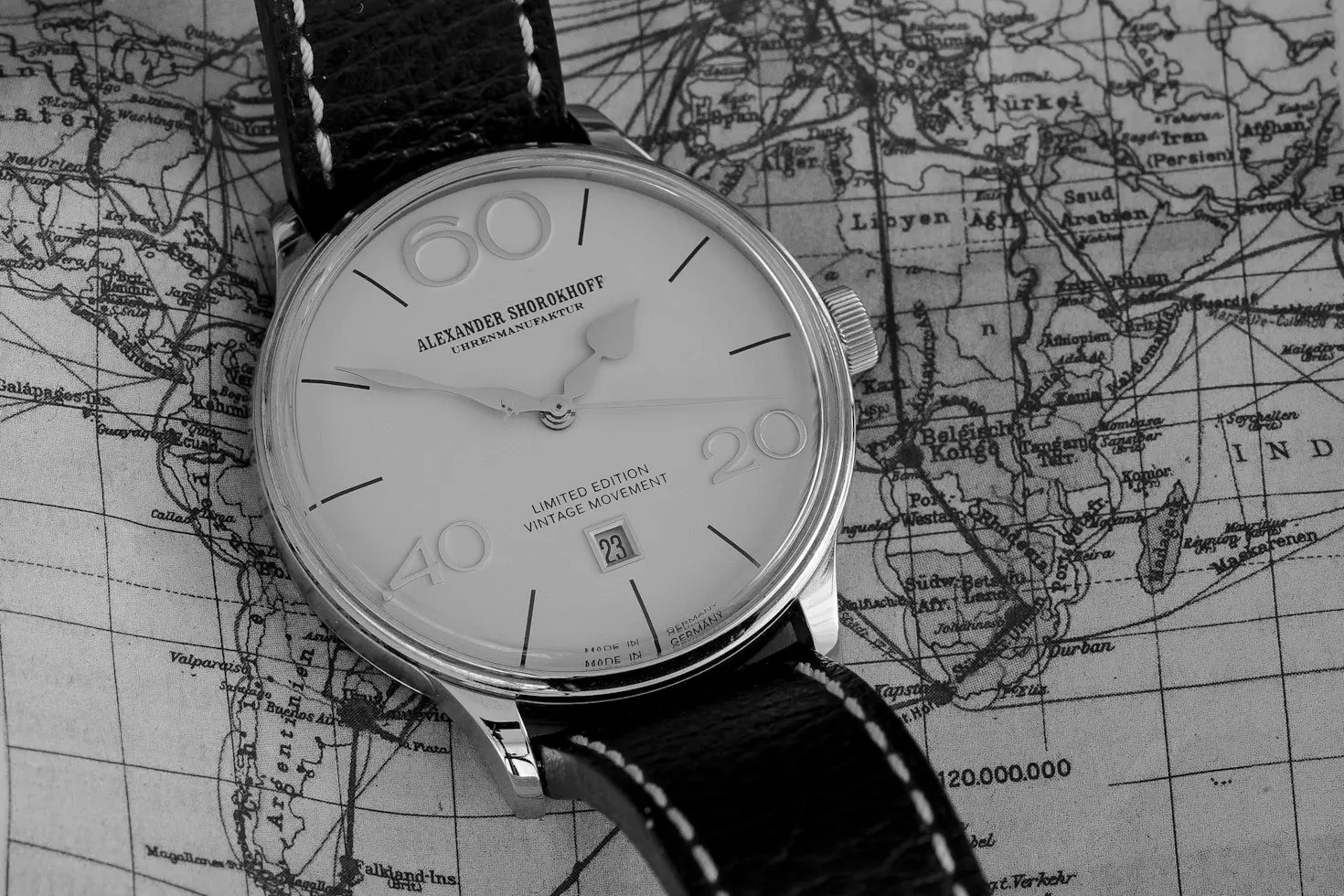
A microbrand can begin with a particular problem or area of enthusiast interest and then develop a watch around it.
- For instance, if a traveler wants to keep a record of multiple time zones. An independent brand can use GMT or Worldtimer functionality instead of just making a simple 3-hand watch.
Our Axis Mundi follows this approach at Leitzeit. The first watch is a worldtimer that also has a vintage feel without sacrificing modernity, so there is a clear purpose for the watch in our collection.
6. Microbrands Make Mechanical Watches More Accessible
Microbrands can provide a new way into mechanical watchmaking for new collectors.
When you're just beginning to learn about mechanical watches, you may find them to be a bit confusing. Some new terminology you might come across includes automatic movement, power reserve, escapement, regulation, sapphire crystal, GMT, and worldtimer.
The learning process can be more achievable for a smaller independent brand as it may have a smaller number of models in its collection.
You can concentrate on one watch and comprehend:
- How it moves.
- How the movement works.
- The materials used in the case.
- The purpose of the watch.
- What the company does to help the watch after it's sold.
This can be a great way to be a more informed buyer.
What Should You Check Before Buying a Watch Microbrand?
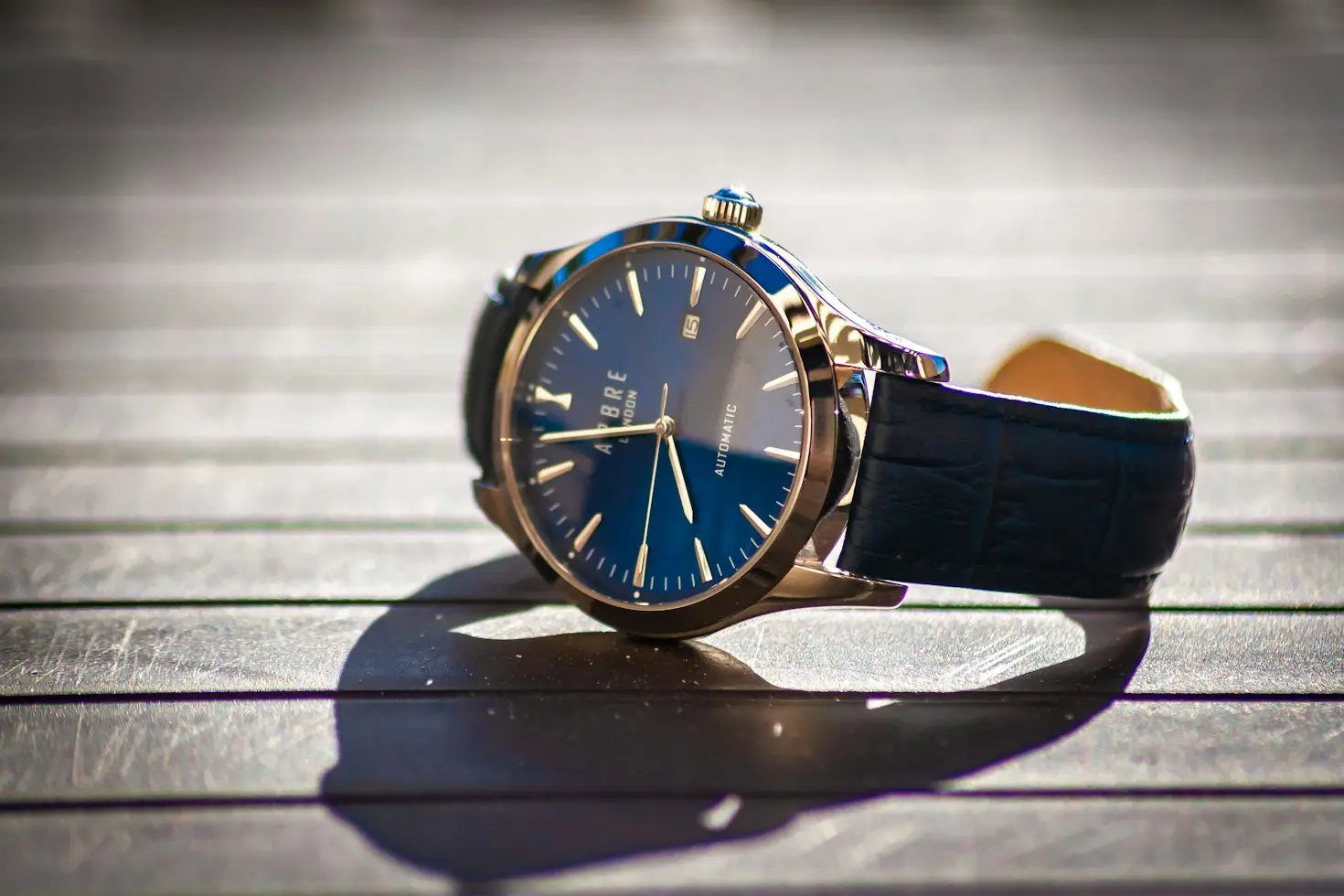
When purchasing a microbrand watch, verify the movement, materials, size, waterproofing, warranty, service, manufacturing and customer reputation. While a nice-looking specification sheet is not a substitute for research into the company itself.
Check the Movement
Look for:
- Movement manufacturer
- Movement caliber
- Automatic or manual winding.
- Power reserve
- Available functions
- Serviceability
It's not necessary to select a well-known movement just because you know the name. Rather, educate yourself on the movement and if the company offers any helpful information on servicing it.
Examine the Materials
Look at real specs; don't take terms like "high quality" or "premium" for granted.
Look for:
- Crystal type
- Case material
- Bracelet material
- Water resistance
- Lume
- Case dimensions
- Clasp adjustment
- Surface finishing
Sapphire crystal, for instance, is typically highly scratch resistant, and the size of the case and the distance between the lugs can influence the comfort of the watch on your wrist.
Research the Brand
Just like any watch-buying process, a microbrand requires research.
Ask:
- Who are the owners of the company?
- Where does it manufacture its watches?
- What are the sources of the parts?
- Does it tell you how the object moves?
- What is its warranty?
- How does it perform servicing?
- Are there any independent owner reviews?
- Is the business clear with their communication?
These questions can be used to distinguish a real watch company from a company that uses pretty marketing.
Why Does Transparency Matter in Microbrand Watches?
Transparency is important so you can see what you are purchasing, particularly if a company is using suppliers from other countries.
In a modern watch, there can be multiple manufacturing sites. One company can design the watch in one country, source a movement from another country, make the watch cases in another country, and then assemble the watch in another country.
That doesn't necessarily indicate the good or bad quality of the watch.
A more pertinent question is if the brand is transparent about its supply chain and quality.
At Leitzeit, we believe that manufacturing location is not a quality determinant for watches. We work through our design, engineering, materials, manufacturing partners, and honest communication. We openly say that our watches are made in China and tell you about our high quality manufacturing and not making up a heritage for the watches.
That transparency provides you with more information to consider when considering our watches.
How Are Microbrands Building Strong Watch Communities?
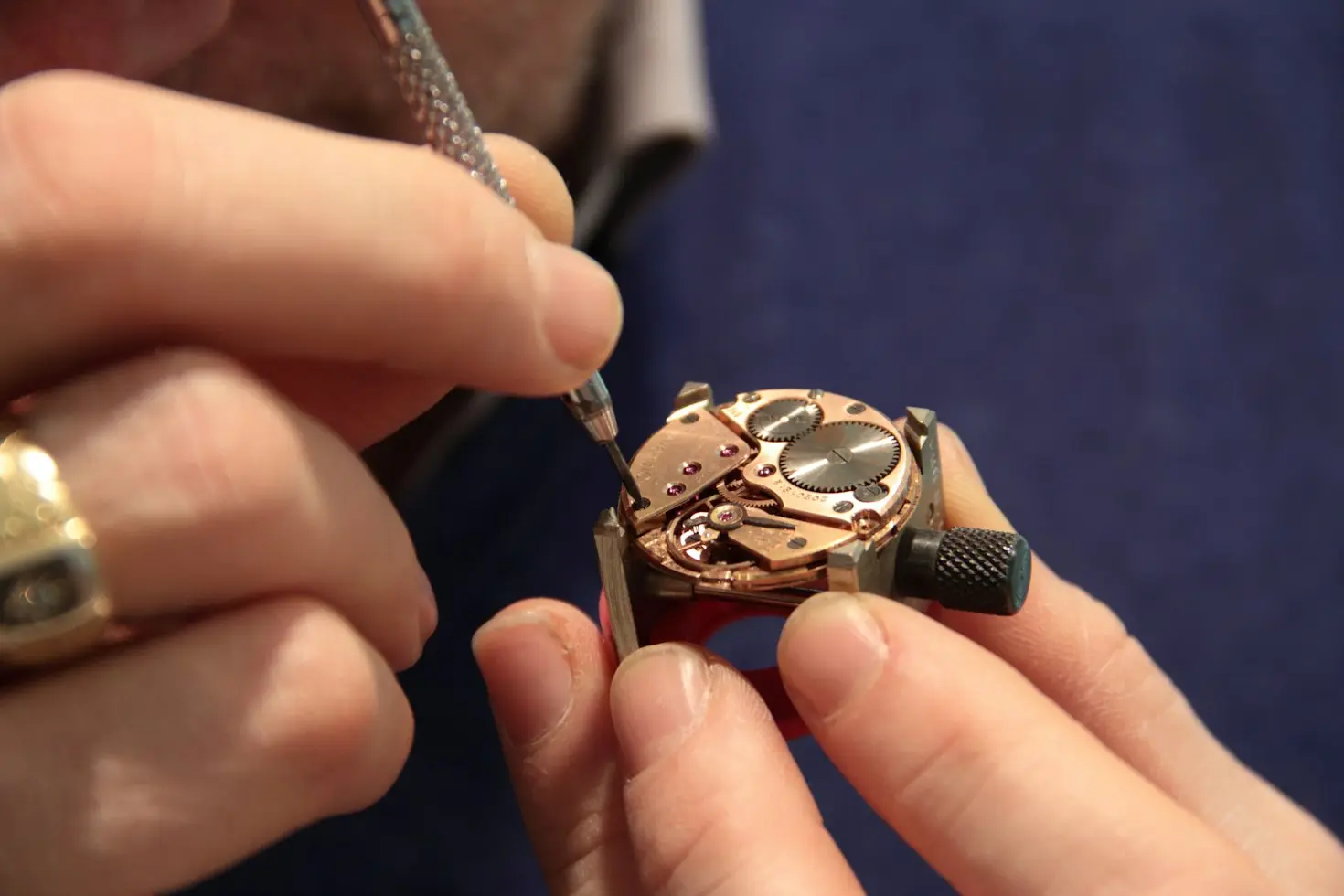
Microbrands create communities through direct communication, online platforms, enthusiast groups and behind-the-scenes content, engaging customers in the brand journey.
Social media has revolutionized the way that people find watches. There is now a little watch company that you can discover using a YouTube review, an enthusiast forum, Instagram, Reddit, or a particular watch website.
This presents a chance for small brands that simply didn't exist on the same level before.
A collector could find a new brand, learn about their watches, read experiences of other collectors, contact the company and purchase a watch without ever physically going to a watch shop.
The relationship can be continued after the purchase through community discussions, product updates, and future releases.
How Has E-Commerce Helped Watch Microbrands Grow?
For small watch companies, online sales can be a great way to market their products on a global scale without having to establish a vast brick-and-mortar presence.
Traditional retail involves store locations, distributors, stock, sales personnel, etc. Some of those barriers can be lowered by direct to consumer selling.
It doesn't mean that all online microbrands represent a good value. There are still a few details to check, such as the company's return policy, warranty, shipping, taxes and service process.
However, discovery is much easier with e-commerce.
A German, American, Australian, or other watch enthusiast can find out about a little-known brand that he may never see in a local shop.
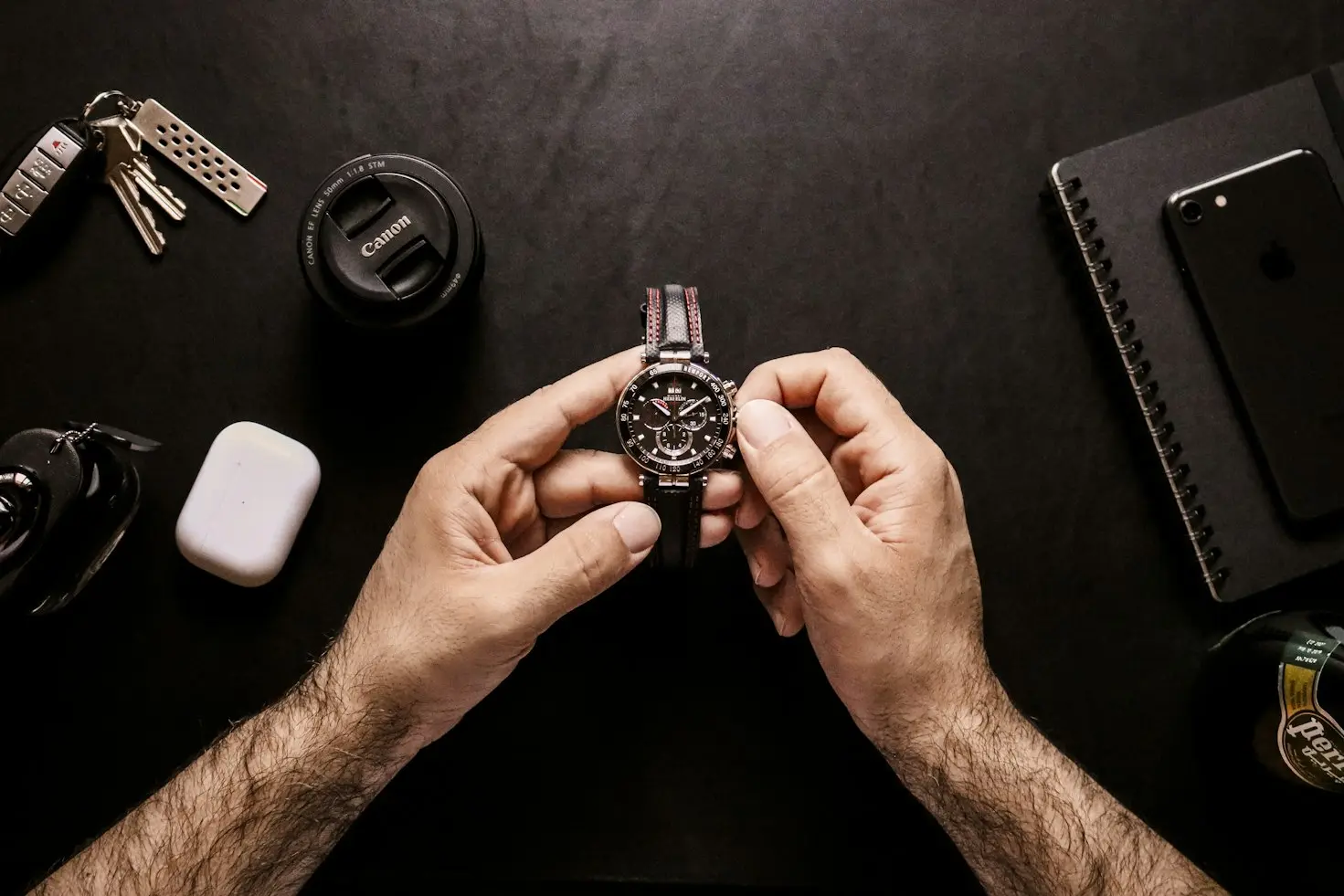
Watch Microbrands vs. Traditional Watch Brands: Which One Should You Choose?
It all depends on what you're looking for in a watch. A traditional brand might be attractive due to their history, established service network, recognition, or longstanding designs and a microbrand may be attractive because of their individuality, direct relationship, niche focus, or specifications.
What You Value | Microbrand May Offer | Traditional Brand May Offer |
Distinctive Design | Strong focus on niche ideas | Established design language |
Brand History | Usually shorter history | Often decades of heritage |
Community | Direct enthusiast interaction | Larger established community |
Availability | Sometimes limited | Usually broader |
Specifications | Often a major selling point | Varies by collection |
Customer Access | Often direct | May involve retailers |
Collecting Experience | Discovery and individuality | Heritage and recognition |
Both types are not an ideal fit for all collectors.
What matters is comparing the watch, the company that makes it, and the customer service that you get after buying it.
Why Do Microbrands Matter to the Future of Watchmaking?
Microbrands are important because they add to choice, they allow for a design experiment and they offer a means for independent brands to reach modern watch lovers directly.
They also question the notion that watchmaking should take just one traditional course.
A small company can try out a new complication, an underserved niche, or a new material, or they can establish a direct connection with customers.
Certain brands will go away. Others will grow. Some will grow to be well known in their own right.
It's the diversity they add to the industry that's important.
Small Brands Can Influence a Large Industry
To bring a new idea to the table, you don't have to have a large production facility.
A microbrand can prove that enthusiasts desire:
- More unusual designs
- Better transparency
- Practical complications
- Direct communication
- Smaller production runs
- Watches with clear functions, mechanical watches.
Larger companies can see the changing expectations of the market when customers react positively to those ideas.
That makes microbrands more than just small businesses. They can turn into testbeds for new strategies for the watch business and customer relations.

How Does Leitzeit Fit Into the Independent Watchmaking Movement?
At Leitzeit we are creating an independent mechanical watch brand based on purposeful design, engineering, transparency, and long-term ownership. Our first watch, Axis Mundi, is a first step in that direction.
Our Axis Mundi at Leitzeit is a mechanical Miyota 9075 movement with a worldtimer for all 24 time zones. We feature a 316L stainless-steel case, domed sapphire crystal with anti-reflective coating, a stainless-steel bracelet, and a water resistance of 100 meters.
Our manufacturing process at Leitzeit is also transparent. We're not afraid to tell you where we make our products or why it's so important to work with manufacturing partners that can make our products.
Our Founders Club is a chance for early enthusiasts to join our development process and be the first to get the first run of the Axis Mundi.
It really is as simple as that: make mechanical watches with a clear purpose and sufficient durability, serviceability and character to last for years.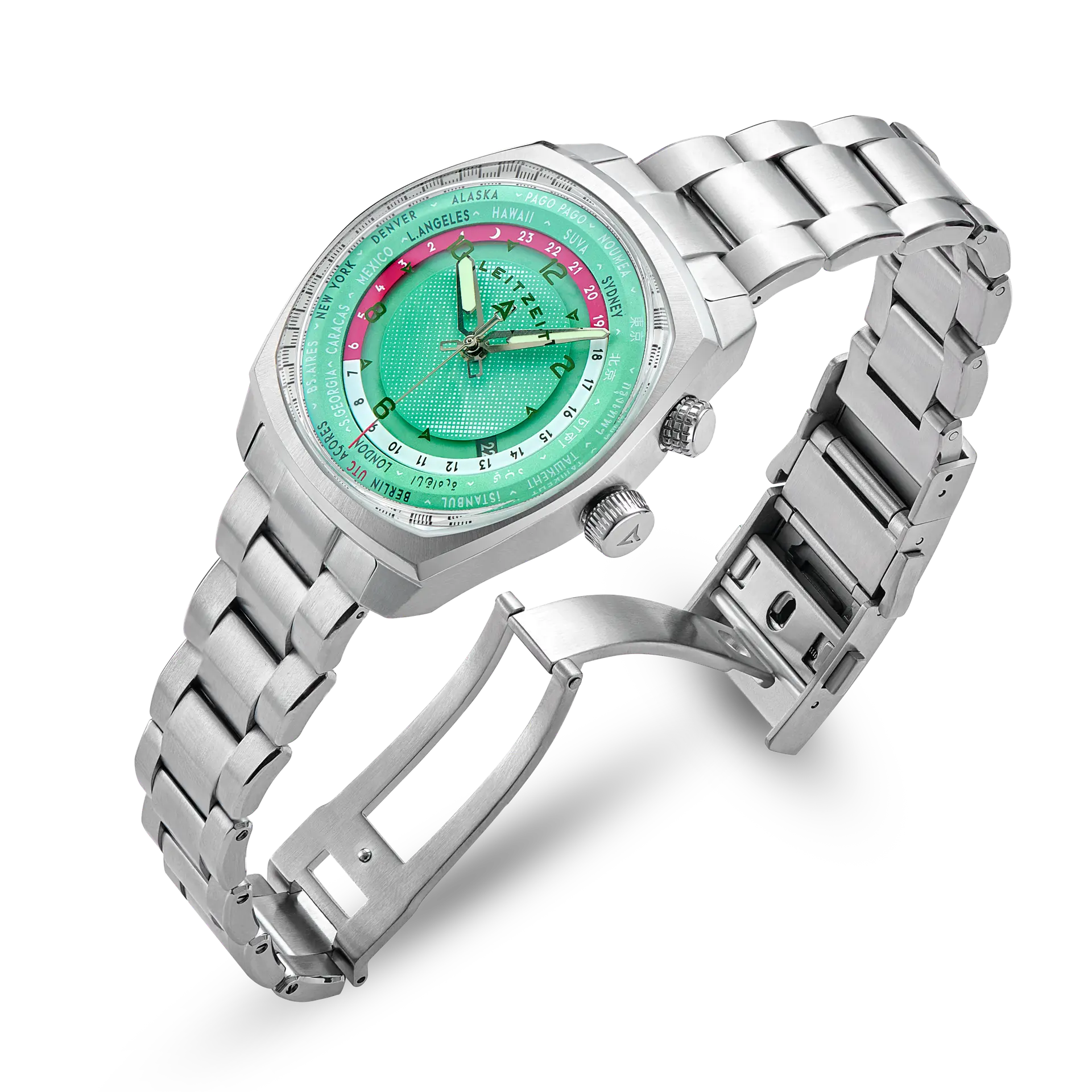
Conclusion: Why Watch Microbrands Matter
Watch microbrands have changed the way enthusiasts discover, evaluate, and buy mechanical watches. They offer collectors additional options, enable unique designs, allow for experimentation, and foster a stronger bond between watch companies and consumers.
If you're interested in taking the plunge into the world of independent mechanical timekeeping, we hope you'll join us on our journey at Leitzeit and discover the Axis Mundi. The first chapter of Leitzeit is focused on purposeful design, mechanical engineering, transparency in manufacturing and watches that are meant to last.
Microbrands are not replacing the traditional watch brands. Rather, it provides you with an additional method to delve into the world of watchmaking. It can be based on heritage, innovation, unusual design, practical complications, community, or a mix of a few. The expanding independent-watch scene just provides you with more chances to discover a timepiece you like.
At Leitzeit, our Axis Mundi is our response to that evolving landscape, a mechanical worldtimer that is independent, connected, explorative, and purposeful with timekeeping. Our journey starts with one watch, but the larger idea is simple—mechanical watches can still create something meaningful in a world filled with disposable products.
FAQs
What are watch microbrands?
WAtch microbrands are small, independent watch companies that typically make watches in small numbers and often sell directly to the customer. They are usually centered around a particular design, function, material, or fan base.
Why are watch microbrands becoming popular?
Microbrands are gaining traction for their unique designs, competitive specifications, niche products, direct customer relationships, and the added variety that they provide beyond the traditional watch brands. These companies are also easier to find with online communities and direct-to-consumer shopping.
Are microbrand watches good quality?
Microbrand watch quality is different between brands; you should consider movement, material, finishing, manufacturing, warranty, service and customer feedback. The term "microbrand" is not synonymous with quality.
Are microbrand watches worth buying?
If the design, specifications, quality, warranty, and service support of a microbrand watch align with your requirements, then it could be a viable option. Don't just base your purchase on brand size or price; compare the actual watch and the company that backs it.
Do microbrand watches hold their value?
The fact that Microbrand watches have limited production does not mean that they automatically hold or increase their value. The resale value is dependent on the demand, brand reputation, design, condition, availability, and long-term collector interest.