Eine Taucheruhr mag heutzutage wie ein modisches Accessoire am Handgelenk wirken. Sie wurde jedoch nicht als Modeartikel entwickelt. Ihre Ursprünge liegen in der Funktion als Überlebensinstrument für Menschen, die in den Tiefen des Meeres arbeiteten. Die Geschichte der Taucheruhren beginnt unter extremen Unterwasserbedingungen, bei denen die Zeit über Leben und Tod entscheiden konnte.
Bei genauerem Hinsehen wird deutlich, dass es sich nicht um gewöhnliche Uhren handelt. Sie sind so konstruiert, dass sie Druck, Salzwasser und Dunkelheit standhalten. Deshalb wurden sie jahrzehntelang von Tauchern verwendet, bevor sie Einzug in die Alltagsmode hielten.
Mit der Zeit entwickelten sich diese Uhren von professioneller Tauchausrüstung zu einem modischen Statement. Heute trägt man sie nicht mehr nur wegen ihrer Funktion, sondern auch wegen ihres guten Aussehens, als Ausdruck der eigenen Persönlichkeit und zur Weitergabe eines Vermächtnisses.
In diesem Blog erfahren Sie mehr über die Geschichte der Taucheruhren, ihre Entwicklung im Laufe der Jahrzehnte und darüber, warum sie bis heute sowohl als professionelle Ausrüstung als auch als Statussymbol verwendet werden. Beginnen wir also und begleiten Sie uns bis zum Ende.
Kurze Vergleichstabelle (Geschichte der Taucheruhren): Entwicklung vom Unterwasserwerkzeug zur Luxusikone
Phase | Zweck | Hauptmerkmale | Beispiele / Epoche / Modelle | Bedeutung für die Geschichte der Taucheruhren |
Frühe Experimente | Einfache Zeitmessung für militärische Zwecke, mit Wasserdichtigkeit als Grundanforderung. | Einfache Dichtungen, geringe Wasserdichtigkeit und begrenzte Haltbarkeit. | Militärische Prototypen aus den frühen 1900er-Jahren. | Legten den Grundstein für die Branche. |
Erste professionelle Werkzeuge | Zuverlässige Zeitmessung unter Wasser für Taucher. | Höhere Robustheit, drehbare Lünette und bessere Ablesbarkeit. | Rolex Submariner und Blancpain Fifty Fathoms. | Die ersten echten Taucheruhren wurden entwickelt. |
Ära der Erforschung | Unterstützung beim Gerätetauchen und bei der Erforschung der Ozeane. | Bessere Leuchtanzeigen, Automatikwerke und erhöhte Tauchtiefe. | In den 1960er-Jahren nutzte Jacques Cousteau Taucheruhren. | Die weltweite Popularität nahm zu. |
Technischer Fortschritt | Verbesserte Genauigkeit und Stabilität. | Stahlgehäuse mit hoher Festigkeit, automatische Aufzugsmechanismen und ISO-Standards. | Omega Seamaster und Seiko Diver Watch. | Stärkte die technischen Standards der Branche. |
Moderne Luxus- und Lifestyle-Ära | Verbindung von Mode und Leistung. | Keramik, Titan, Saphirglas und luxuriöses Design. | Moderne Rolex- und Omega-Uhren. | Taucheruhren wurden zu weltweit bekannten Luxusmarken. |
Was ist eine Taucheruhr? (Grundlegende Definition)
Eine Taucheruhr ist eine spezielle Armbanduhr, die Menschen dabei unterstützt, unter Wasser die Zeit sicher im Blick zu behalten. Sie ist nicht nur wasserdicht, sondern auch druckbeständig – im Gegensatz zu gewöhnlichen Armbanduhren.
Die folgenden Merkmale sind typisch für Taucheruhren:
- Wasserdichtigkeit: Hält dem hohen Druck unter Wasser stand.
- Drehbare Lünette: Hilft Tauchern dabei, die bereits unter Wasser verbrachte Zeit zu messen.
- Leuchtmarkierungen: Ermöglichen das Ablesen der Uhrzeit in dunklem Wasser.
- Robustes Gehäuse: Besteht aus widerstandsfähigen Materialien wie Edelstahl.
Moderne Taucheruhren erfüllen außerdem internationale Normen, darunter ISO 6425, die von der Internationalen Organisation für Normung festgelegt wurden. Diese Anforderungen sorgen dafür, dass eine Uhr unter realen Tauchbedingungen sicher und zuverlässig funktioniert.
Wenn Sie diese Grundlagen kennen, lässt sich die Geschichte der Taucheruhren leichter nachvollziehen, denn jedes dieser Merkmale erfüllt einen Zweck, der auf Sicherheit und Überlebensfähigkeit beruht.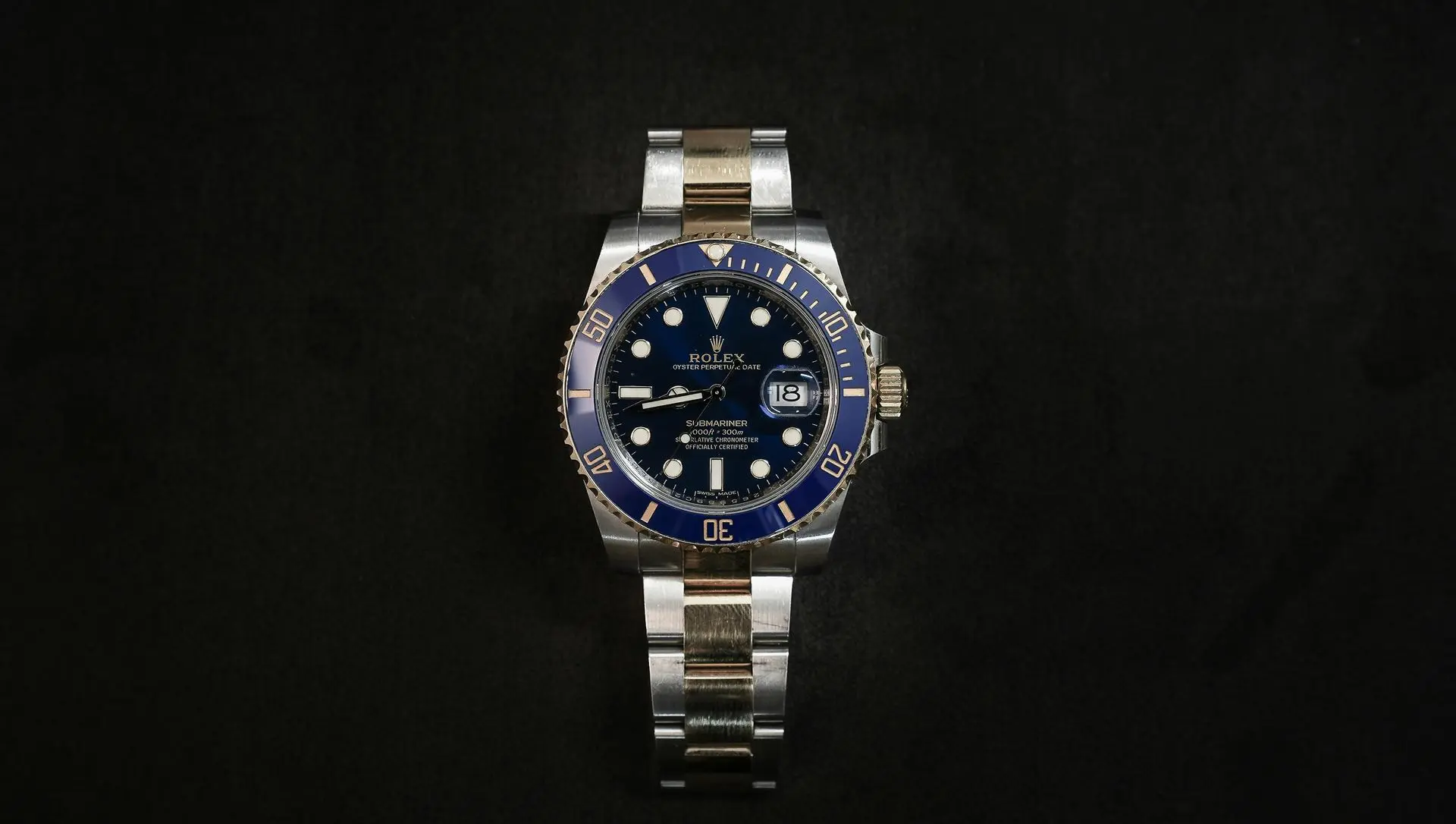
Frühe Ursprünge: Die Entstehung wasserdichter Zeitmesser
Uhrmacher versuchten bereits lange vor dem Aufkommen moderner Taucheruhren, Zeitmesser vor Wasserschäden zu schützen. Experimente im frühen 20. Jahrhundert zielten darauf ab, Uhren widerstandsfähiger gegen Feuchtigkeit zu machen.
Soldaten und Marineoffiziere benötigten während des Ersten und Zweiten Weltkriegs zuverlässige Zeitmessgeräte. Gewöhnliche Uhren waren für nasse und raue Bedingungen ungeeignet. Deshalb begannen Wissenschaftler und Uhrmacher, Dichtungen und Schutzgehäuse zu verbessern.
Diese ersten Fortschritte waren noch nicht perfekt, legten jedoch den Grundstein für etwas Größeres. Militärische Anforderungen beschleunigten die Entwicklung stärker als modische Trends. In dieser Phase der Geschichte der Taucheruhren wurde die Notwendigkeit zum wichtigsten Antrieb für technischen Fortschritt.
Die ersten echten Taucheruhren
Der entscheidende Durchbruch gelang Anfang der 1950er-Jahre, als Uhrmacher die ersten echten Taucheruhren entwickelten, die speziell für den Einsatz unter Wasser vorgesehen waren.
Alles änderte sich mit zwei legendären Modellen:
- Rolex Submariner (1953): Sie wurde für die Erkundung der Unterwasserwelt entwickelt und entwickelte sich zu einer der berühmtesten Uhren aller Zeiten.
- Blancpain Fifty Fathoms (1953): Diese Uhr wurde für militärische Taucher konzipiert und überzeugte durch ihre professionelle Funktionalität.
Diese Uhren prägten das moderne Design von Taucheruhren, beispielsweise durch drehbare Lünetten und eine verbesserte Wasserdichtigkeit. Zum ersten Mal konnten Taucher die verstrichene Zeit direkt am Handgelenk ablesen, während sie unter Wasser waren.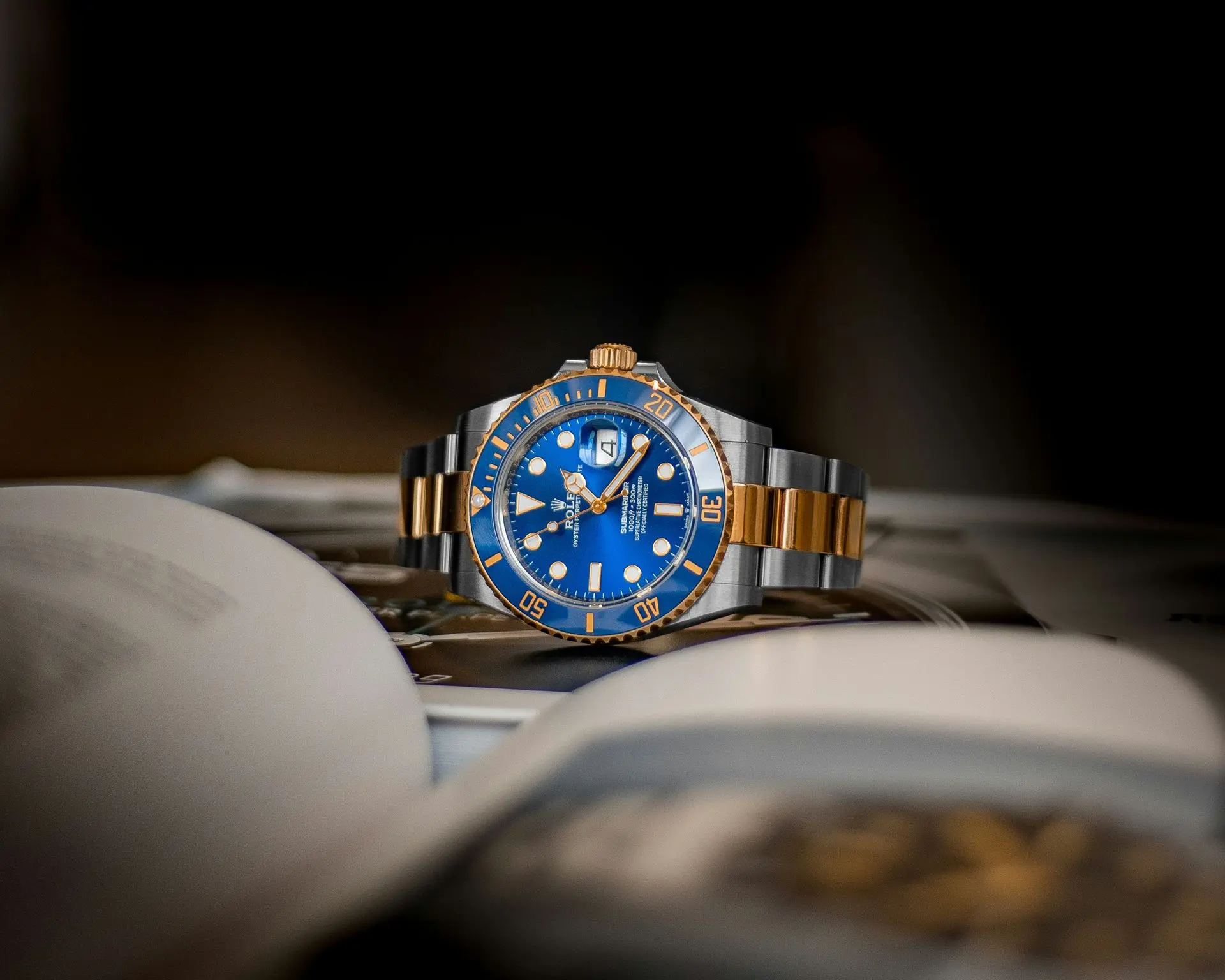
Kurzer Vergleich:
Merkmal | Frühe Modelle | Durchbruchmodelle von 1953 |
Wasserdichtigkeit | Grundlegend | Professioneller Standard |
Ablesbarkeit | Eingeschränkt | Zifferblatt mit hohem Kontrast und Leuchtmarkierungen |
Zweck | Experimentell | Militärischer und professioneller Einsatz |
Dies ist der entscheidende Punkt in der Geschichte der Taucheruhren, an dem sich experimentelle Ausrüstung zu vollwertigen Tauchinstrumenten entwickelte.
Die Rolle von Jacques Cousteau und der Erforschung der Ozeane
Taucheruhren gewannen durch die Erforschung der Ozeane an Popularität. Jacques Cousteau, ein renommierter Filmemacher und Meeresforscher, gehörte zu den einflussreichsten Persönlichkeiten dieser Entwicklung.
Durch seine Dokumentarfilme machte er die Unterwasserwelt einem breiten Publikum zugänglich und weckte bei Millionen Menschen das Interesse am Leben unter Wasser. Seine Arbeit verdeutlichte die Bedeutung von Tauchausrüstung für Forschung und Sicherheit.
Mit der zunehmenden Beliebtheit des Gerätetauchens wünschten sich immer mehr Menschen hochwertige Ausrüstung in professioneller Qualität. Taucheruhren wurden zu einem festen Bestandteil dieser Kultur.
Die Geschichte der Taucheruhren ist eng mit dieser Epoche verbunden, da sie die Erforschung der Unterwasserwelt zu etwas machte, das von einer breiten Öffentlichkeit wahrgenommen und geschätzt werden konnte.
Entwicklung in den 1960er- bis 1980er-Jahren: Vom Werkzeug zur Technologie
Die 1960er- bis 1980er-Jahre waren von rasanten Fortschritten bei Taucheruhren geprägt. Uhrmacher konzentrierten sich auf Haltbarkeit, Präzision und Benutzerfreundlichkeit.
Zu den wichtigsten Verbesserungen gehörten:
- Mechanische Uhrwerke, die kein manuelles Aufziehen erforderten.
- Verbesserte Dichtungen, die auch größeren Wassertiefen standhielten.
- Höhere Widerstandsfähigkeit durch Materialien wie Edelstahl und Saphirglas.
Professionelle Taucher begannen, Uhren nicht mehr nur zur Zeitmessung, sondern auch für sicherheitsrelevante Aufgaben zu tragen. Gleichzeitig entwickelten Marken günstigere Modelle für den alltäglichen Gebrauch.
Beliebte Beispiele sind:
Modell | Stärke | Zweck |
Zuverlässige Leistung unter Wasser | Militärischer Einsatz und Schifffahrt | |
Robuste Qualität zu einem erschwinglichen Preis | Freizeittaucher |
Diese Phase der Geschichte der Taucheruhren zeigt, wie technologische Fortschritte das Tauchen sicherer und für mehr Menschen zugänglich gemacht haben.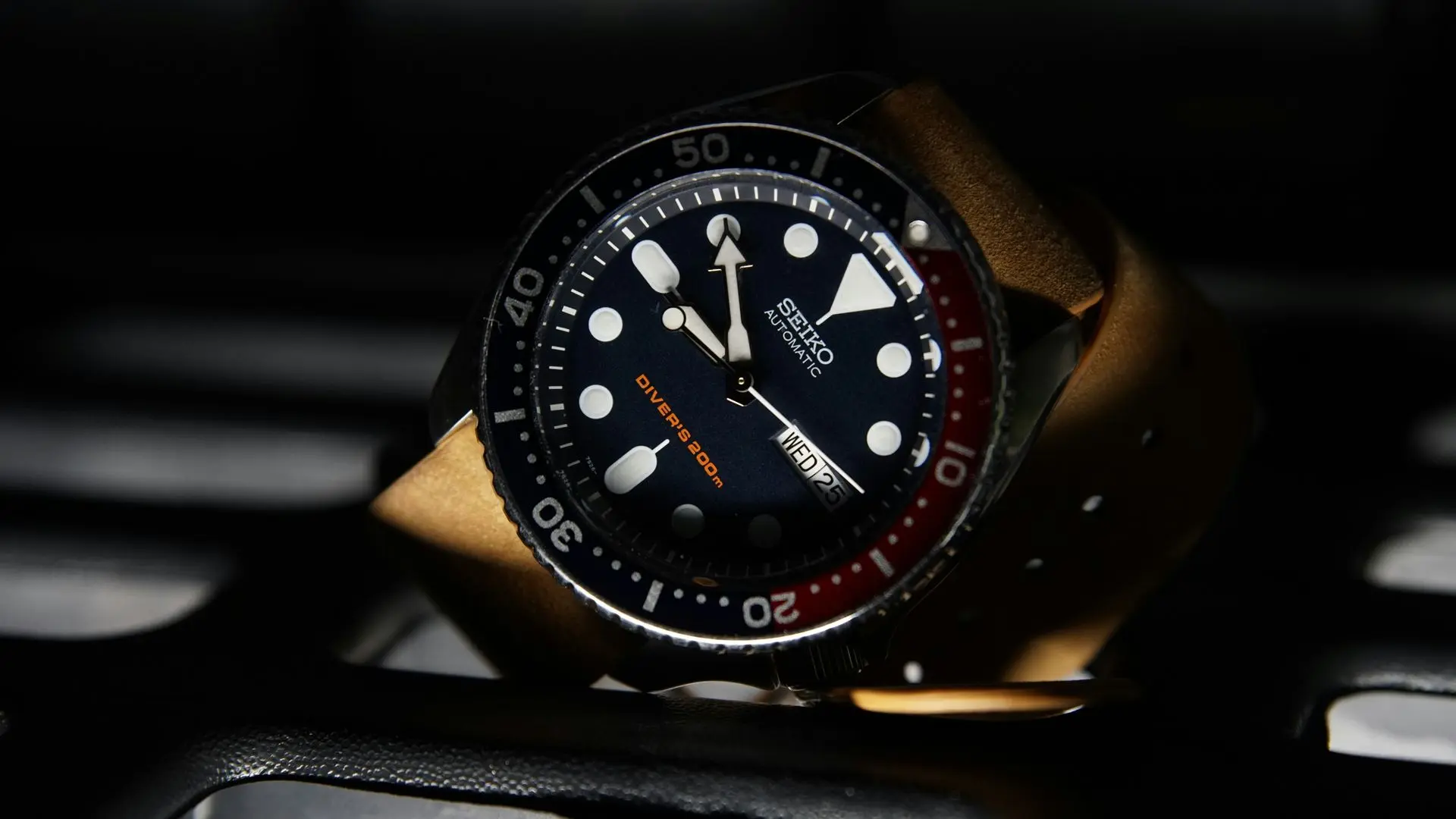
ISO-Normen und professionelle Zertifizierung
Mit der zunehmenden Verbreitung von Taucheruhren wurde es notwendig, verbindliche Sicherheitsstandards einzuführen. Hier kommt die Norm ISO 6425 ins Spiel.
Eine Taucheruhr muss strenge Prüfungen erfolgreich bestehen, um offiziell als Zu den Anforderungen gehören:
- Hohe Widerstandsfähigkeit gegenüber starkem Wasserdruck.
- Ablesbarkeit bei völliger Dunkelheit.
- Stoß- und Temperaturbeständigkeit.
- Präzise Zeitmessung in anspruchsvollen Situationen.
Diese Vorschriften stellen sicher, dass eine Uhr nicht nur modisch, sondern auch wasserdicht und zuverlässig ist. Sobald eine Uhr diese Kriterien erfüllt, können Taucher ihr Leben in kritischen Situationen auf die Zuverlässigkeit ihrer Uhr stützen.
Dieses Vertrauen ist einer der wichtigen Meilensteine in der Geschichte der Taucheruhren.
Der Wandel zum Luxusprodukt: Taucheruhren werden zu Modeikonen
Taucheruhren entwickelten sich im Laufe der Zeit über ihren ursprünglichen Verwendungszweck hinaus. Luxusmarken begannen, ihre Designs mit hochwertigen Materialien wie Gold, Keramik und Saphirglas aufzuwerten.
Auch Filme und Prominente spielten eine wichtige Rolle. Uhren waren in Filmen, Werbespots und bei Veranstaltungen auf dem roten Teppich zu sehen, wodurch sie zu einem Symbol für Erfolg und Abenteuer wurden.
Selbst Menschen, die noch nie getaucht waren, wollten diese Uhren tragen. Warum? Sie standen für Stärke, Selbstbewusstsein und zeitlosen Stil.
Diese Entwicklung zeigt, wie sich die Geschichte der Taucheruhren zunehmend von einem rein funktionalen Zweck hin zu emotionalem Wert und modischer Identität verschoben hat.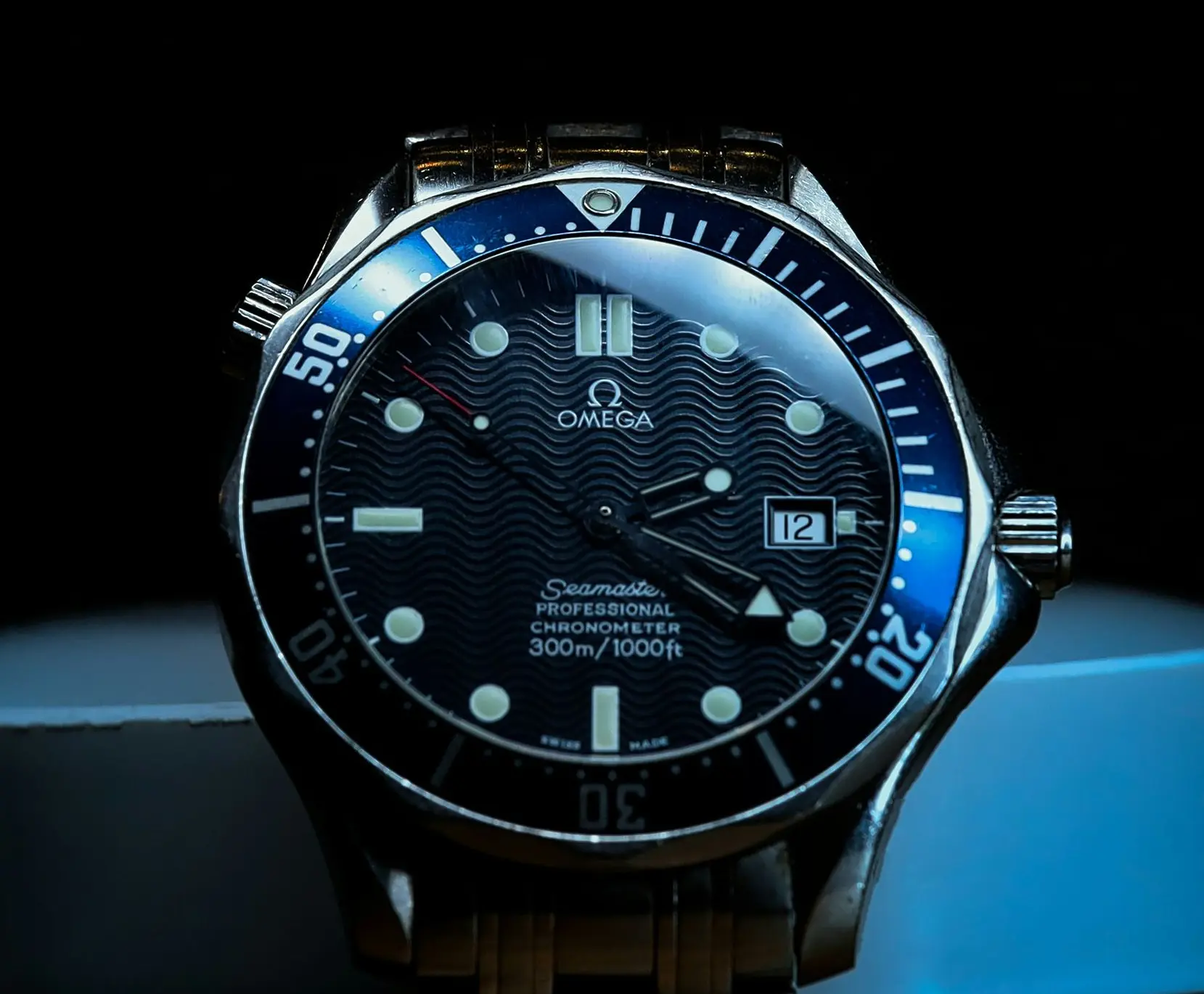
Moderne Taucheruhren: Stil und Funktion vereint
Moderne Uhren mit Taucherfunktionen verbinden Technologie, Mode und Alltagstauglichkeit. Heutzutage müssen Sie kein Taucher mehr sein, um eine solche Uhr zu tragen.
Zu den modernen Verbesserungen gehören:
- Wasserdichtigkeit von 200 bis 1.000 Metern oder mehr.
- Einige Modelle verfügen über hybride Smartwatch-Funktionen.
- Leichte Materialien wie Titan und Keramik.
- Verbesserte Kratzfestigkeit.
Taucheruhren werden heute täglich getragen, auch im Büro oder bei Freizeitaktivitäten. Sie dienen sowohl als modische Accessoires als auch als praktische Werkzeuge.
Diese moderne Phase der Geschichte der Taucheruhren zeigt, dass gutes Design niemals aus der Mode kommt – es entwickelt sich weiter.
Die bekanntesten Taucheruhren von heute
Einige Taucheruhren sind zu Legenden in der Uhrenbranche geworden.
- Rolex Submariner: Eine Ikone für Erfolg und Design.
- Omega Seamaster: Bekannt durch die James-Bond-Filme.
- Taucheruhren vonSeiko Diver: Geschätzt für ihr gutes Preis-Leistungs-Verhältnis.
- Blancpain Fifty Fathoms: Ein luxuriöser Zeitmesser mit einer langen Geschichte.
All diese Modelle sind Teil der Uhrengeschichte und haben die Entwicklung der Tauchtechnologie und des Designs maßgeblich geprägt.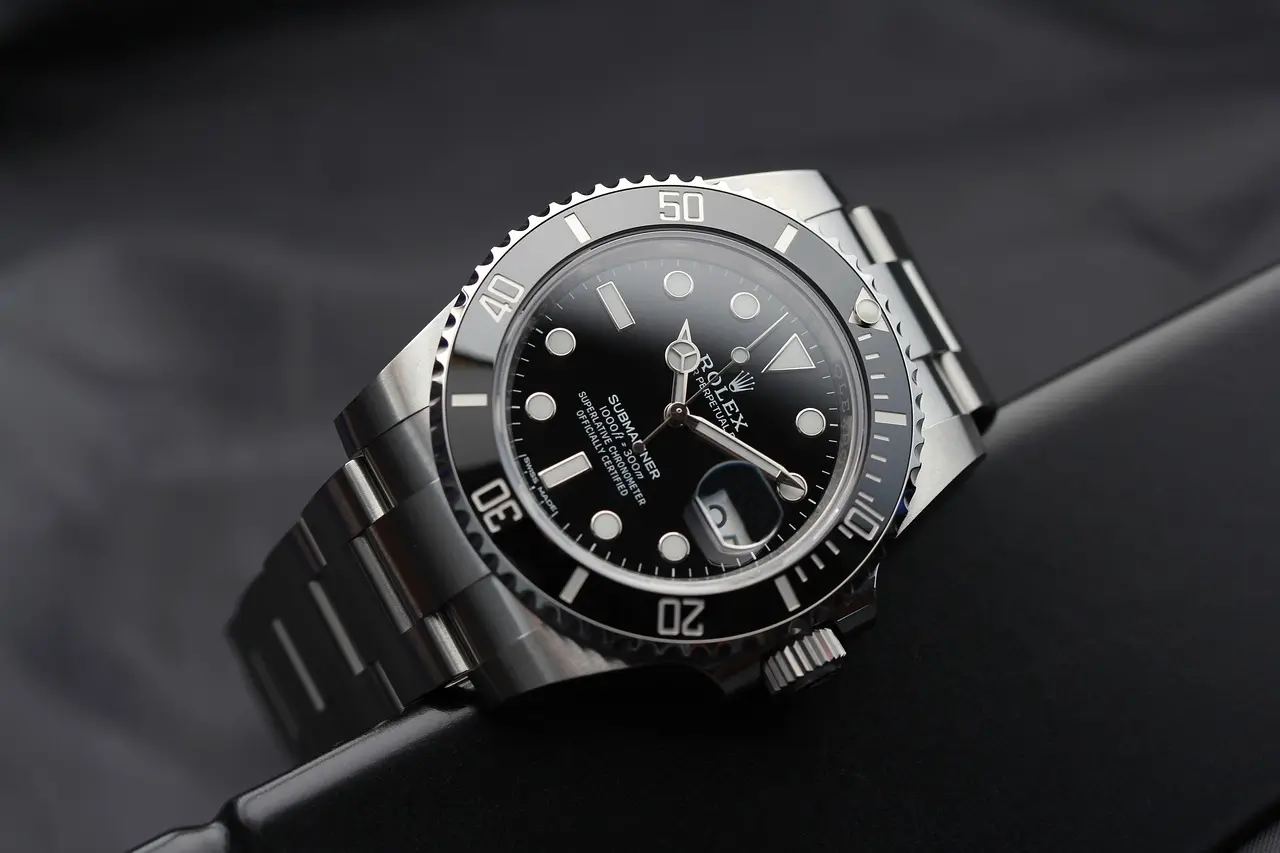
Warum Taucheruhren heute noch beliebt sind
Taucheruhren sind auch in einer Welt voller Smartphones und Smartwatches weiterhin beliebt. Warum?
- Sie verkörpern eine lange Geschichte und traditionelle Uhrmacherkunst.
- Sie sind robust und langlebig.
- Sie vereinen Abenteuergeist und modischen Stil.
- Sie sind bei Sammlern sehr begehrt.
Sie tragen eine Taucheruhr nicht nur, um die Zeit abzulesen, sondern auch, um ein Statement zu setzen. Deshalb bleiben sie über Generationen hinweg beliebt.
Fazit: Vom Werkzeug im Ozean zur zeitlosen Ikone
Die Geschichte der Taucheruhren zeigt, wie sich Design und Funktion gleichzeitig weiterentwickeln können. Von Uhren, die für das Überleben in der Tiefsee entwickelt wurden, bis hin zu hochwertigen Statussymbolen am Handgelenk haben sie die Wahrnehmung der Zeitmessung nachhaltig verändert.
Bei der Geschichte der Taucheruhren geht es nicht nur um Technologie. Sie erzählt auch von menschlichem Erfindungsgeist, Abenteuerlust und Mode, vereint in einem kleinen Gegenstand am Handgelenk.
Bei Leitzeit, betrachten wir Uhren nicht einfach als Accessoires, sondern als Geschichten, die Sie bei sich tragen. Deshalb vermitteln wir Wissen, das Ihnen einen tieferen Zugang zu Zeitmessern ermöglicht. Wir hoffen, dass Ihnen dieser Leitfaden gefallen hat. Lesen Sie weiterhin unsere Beiträge und entdecken Sie, wie wir Sie dabei unterstützen können, fundierte Entscheidungen zu treffen, Neues zu lernen und Uhren mit mehr Selbstvertrauen zu genießen.
Möchten Sie weitere professionelle Ratgeber lesen? Entdecken Sie unsere neuesten Beiträge rund um Uhren und beginnen Sie noch heute, mehr über hochwertige Zeitmesser zu erfahren.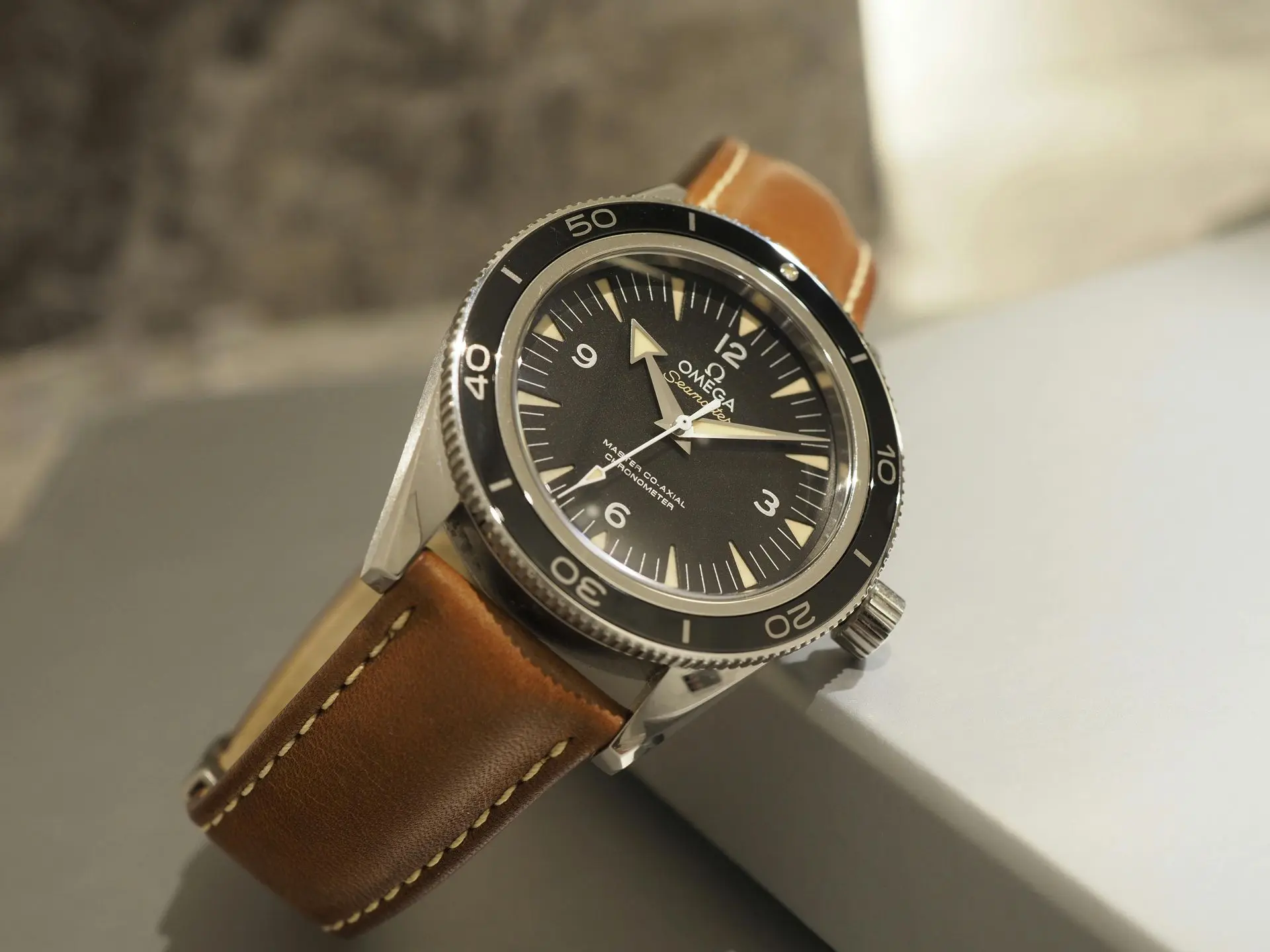
Häufig gestellte Fragen zur Geschichte der Taucheruhren
1. Wofür wird eine Taucheruhr verwendet?
Eine Taucheruhr dient in erster Linie dazu, die Zeit unter Wasser zu messen. Taucher nutzen sie, um ihre Tauchzeit zu überwachen, zu wissen, wann sie ihr Atemgas überprüfen und sicher an die Oberfläche zurückkehren müssen. Sie hilft außerdem bei der Planung von Unterwasseraktivitäten, beispielsweise bei Dekompressionsstopps.
2. Wer hat die erste Taucheruhr erfunden?
Es gibt keinen einzelnen Erfinder der Taucheruhr. Allerdings gelten zwei Modelle allgemein als die ersten modernen Taucheruhren, die 1953 vorgestellt wurden: die Rolex Submariner und die Blancpain Fifty Fathoms. Diese Modelle prägten die professionelle Zeitmessung unter Wasser.
3. Was macht eine Uhr zu einer Taucheruhr?
Eine Uhr gilt als Taucheruhr, wenn sie wichtige Sicherheits- und Leistungsmerkmale besitzt. Dazu gehören eine hohe Wasserdichtigkeit, eine drehbare Lünette zur Messung der verstrichenen Zeit, Leuchtmarkierungen für gute Ablesbarkeit in dunklem Wasser sowie ein robustes, druckbeständiges Gehäuse für den Einsatz unter Wasser.
4. Kann man eine Taucheruhr jeden Tag tragen?
Ja, moderne Taucheruhren eignen sich für den täglichen Gebrauch. Sie sind besonders robust, kratzfest und wasserdicht und können problemlos im Büro, bei Outdoor-Aktivitäten und in der Freizeit getragen werden.
5. Was ist ISO 6425?
ISO 6425 ist eine internationale Norm, die von der Internationalen Organisation für Normung entwickelt wurde. Sie legt strenge Sicherheits- und Leistungsanforderungen fest, die eine Uhr erfüllen muss, um offiziell als professionelle Taucheruhr anerkannt zu werden.
6. Sind Taucheruhren heute noch nützlich?
Ja, Taucheruhren sind auch heute noch nützlich. Professionelle Taucher verwenden sie ebenso wie Menschen beim Sport, auf Reisen und bei Outdoor-Aktivitäten. Darüber hinaus tragen viele Menschen sie als modisches Accessoire, das für Robustheit und zeitloses Design steht.
7. Warum sind Taucheruhren so teuer?
Taucheruhren können aufgrund der hochwertigen Materialien wie Edelstahl, Saphirglas und Keramik teuer sein. Zudem erfordern sie eine präzise Konstruktion, anspruchsvolle Tests und strenge Qualitätskontrollen. Häufig stammen sie von renommierten Luxusmarken mit einer langen Tradition und einem ausgezeichneten Ruf.
8. Was ist die berühmteste Taucheruhr?
Die Rolex Submariner gilt weltweit als eine der bekanntesten Taucheruhren. Sie zeichnet sich durch ihr ikonisches Design, ihre hervorragende Leistung und ihre lange Geschichte aus und steht sowohl für Luxus als auch für die Tradition professioneller Taucheruhren.