Einleitung: Was sind Militäruhren?
Das Erste, woran man denkt, wenn man den Begriff „Militäruhren“ hört, ist Zuverlässigkeit unter extremen Bedingungen. Diese Uhren sind nicht einfach gewöhnliche Armbanduhren. Sie wurden für Soldaten, Piloten, Taucher und Feldeinsatzkräfte entwickelt, die in Situationen, in denen es um Leben und Tod geht, auf eine präzise Zeitmessung angewiesen sind.
Eine Militäruhr zeigt auch dann zuverlässig die Zeit an, wenn die Bedingungen ungünstig sind – bei Dunkelheit, Regen, Erschütterungen, Hitze oder Staub. Sie kommt überall dort zum Einsatz, wo man sich keine Fehler leisten kann.
Bei Leitzeit entwickeln und erforschen wir Zeitmesser im Militärstil, die auf Langlebigkeit, Präzision und Alltagstauglichkeit ausgelegt sind. Wir wissen, dass es in Situationen, in denen es um Leben und Tod geht, nicht ausreicht, wenn eine Uhr lediglich die Zeit anzeigt – sie muss verlässliche Entscheidungen unterstützen.
In diesem Blog erfahren Sie alles über Militäruhren: ihre Geschichte, ihre Merkmale und ihre Funktionsweise in realen taktischen Einsatzszenarien.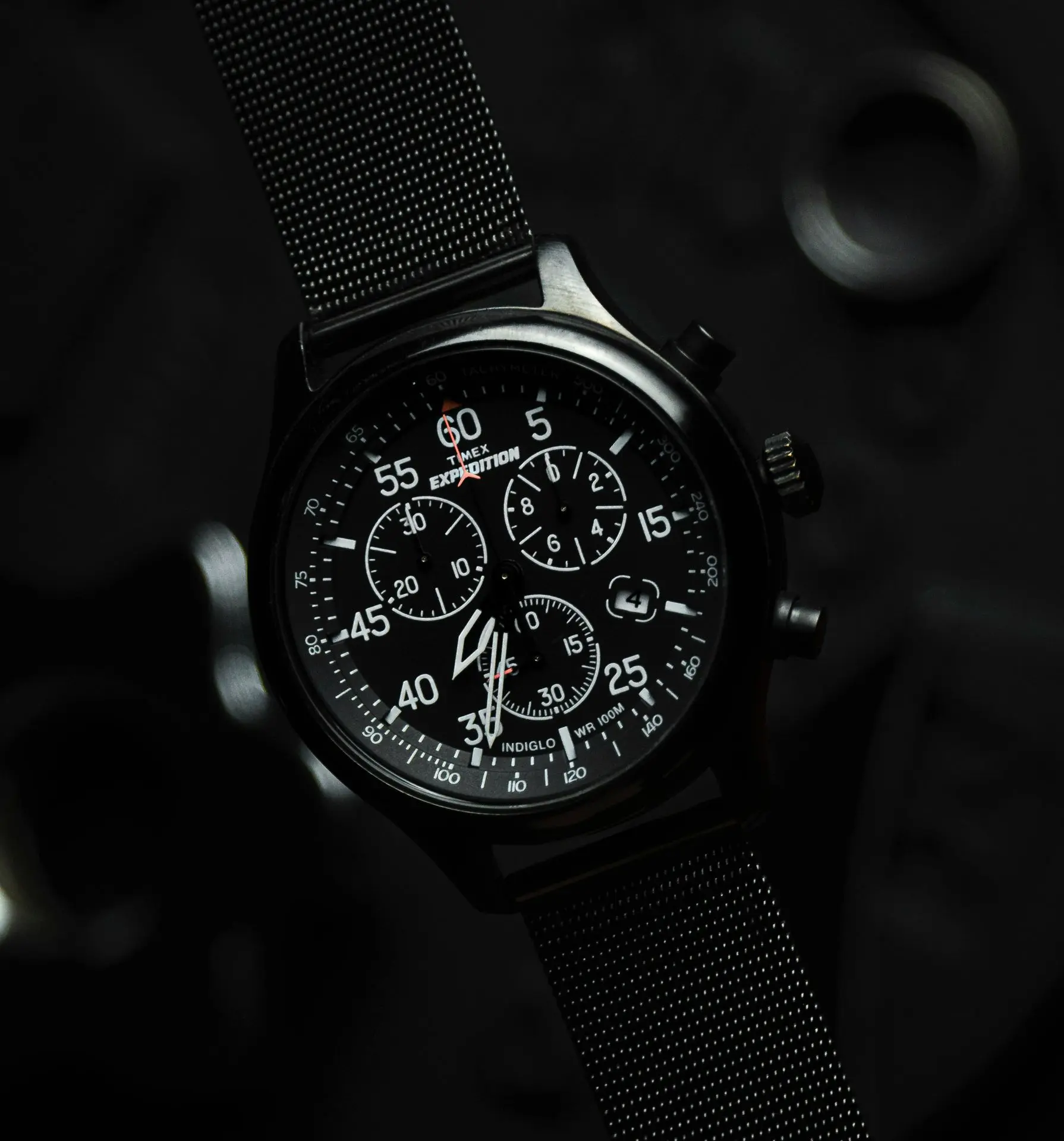
2. Geschichte der Militäruhren
Militäruhren waren ursprünglich keine Hightech-Geräte. Sie entwickelten sich schrittweise weiter, als Soldaten in Gefechtssituationen eine schnellere, sicherere und zuverlässigere Zeitmessung benötigten.
Frühe militärische Zeitmesser
Taschenuhren wurden von Soldaten verwendet, bevor Armbanduhren erfunden wurden. Dies brachte im Kriegsfall zahlreiche Herausforderungen mit sich.
Soldaten mussten ihre Uniform öffnen, die Uhr herausholen und anschließend die Zeit ablesen. Das kostete wertvolle Sekunden, und bei militärischen Einsätzen zählt jede Sekunde.
Weitere Nachteile von Taschenuhren waren:
- Sie gingen bei Bewegungen leicht kaputt.
- Sie waren weder wasserdicht noch stoßfest.
- Sie waren in Notfallsituationen schwer zu handhaben.
Aufgrund dieser Einschränkungen begannen Armeen, nach einer besseren freihändigen Lösung zu suchen, die den Bedingungen auf dem Schlachtfeld standhalten konnte.
Der Erste Weltkrieg und die Einführung der Armbanduhr
Der Erste Weltkrieg veränderte die militärische Zeitmessung grundlegend. Soldaten benötigten eine schnellere Möglichkeit, die Zeit abzulesen, ohne anzuhalten oder beide Hände benutzen zu müssen.
In dieser Zeit begannen Armbanduhren, sich beim Militär durchzusetzen.
Soldaten trugen zunehmend Armbanduhren, um:
- Artillerieangriffe zu koordinieren
- Infanteriebewegungen zu synchronisieren
- Missionszeiten einzuhalten
Die frühen Militäruhren waren meist modifizierte zivile Modelle. Soldaten ergänzten sie mit Schutzabdeckungen und stabileren Armbändern, um ihre Widerstandsfähigkeit zu verbessern.
Dies markierte den Beginn der modernen Militäruhr, bei der die Funktionalität wichtiger war als das Design.
Innovationen im Zweiten Weltkrieg
Der Zweite Weltkrieg brachte die Entwicklung von Militäruhren auf eine neue Stufe. Die Uhren der Soldaten mussten strenge Anforderungen erfüllen, die von den Armeen verschiedener Länder vorgegeben wurden.
Militäruhren mussten in dieser Zeit:
- Auch bei schlechten Lichtverhältnissen gut ablesbar sein
- Starken Stößen, Vibrationen und Erschütterungen standhalten
- In Wüsten, Dschungelgebieten und bei eisigen Temperaturen zuverlässig funktionieren
In dieser Zeit wurden auch spezialisierte Uhrentypen eingeführt:
- Robuste Felduhren für den Einsatz am Boden
- Fliegeruhren, die Piloten bei der Zeitmessung und Navigation während ihrer Einsätze unterstützten
- Uhren für die Einsatzkoordination und Navigation
Die Hersteller konzentrierten sich zunehmend auf Robustheit, Genauigkeit und Einfachheit statt auf luxuriöses Design. Diese Eigenschaften prägten die modernen Militäruhren, wie wir sie heute kennen.
Moderne Militäruhren
Militäruhren sind heute hochentwickelte taktische Geräte. Sie haben ihren ursprünglichen Zweck – Zuverlässigkeit – nicht verloren, wurden jedoch um moderne Technologien erweitert.
Die meisten modernen Militäruhren verfügen über:
- Navigation und Standortbestimmung (GPS)
- Digitale Kompasse zur Orientierung im Gelände
- Gesundheitsüberwachung und Herzfrequenzmessung von Soldaten
- Intelligente Kommunikationsfunktionen für Einsätze
Intelligente Kommunikationsfunktionen für Einsätze
Es gibt auch fortschrittlichere Modelle, die sich mit mobilen Systemen und Satelliten verbinden. Trotz all dieser Technologien bleibt das Grundprinzip unverändert:
Eine Militäruhr muss auch unter schwierigen und unvorhersehbaren Bedingungen zuverlässig funktionieren.
Wesentliche Merkmale von Militäruhren
Mode ist kein Grund für die Entwicklung von Militäruhren. Sie werden so konstruiert, dass sie Belastungen standhalten, zuverlässig funktionieren und auch unter Druck einsatzfähig bleiben.
Robustheit und Verarbeitungsqualität
Das wichtigste Merkmal einer Militäruhr ist ihre Robustheit.
Hersteller konstruieren diese Uhren so, dass sie auch extremen Bedingungen standhalten.
- Stürze und starke Stöße
- Kontakt mit Regen, Schlamm und Staub
- Schwankungen bei hohem Druck und extremen Temperaturen
Typische Schutzmaßnahmen sind:
- Stoßfeste Innenkonstruktion
- Wasserdichtigkeit (in der Regel 100 bis 200 Meter oder mehr)
- Robustes Außengehäuse aus Stahl, Titan oder verstärktem Polymer
Wenn eine Uhr im Feldeinsatz versagt, ist sie nutzlos. Deshalb werden Militäruhren vor ihrem Einsatz unter extremen Bedingungen getestet.
Hohe Ganggenauigkeit
Militäreinsätze erfordern Präzision. Selbst eine geringfügige Verzögerung kann sich auf den gesamten Einsatz auswirken.
Deshalb verfügen Militäruhren über besonders präzise Uhrwerke:
Typ | Genauigkeit | Energiequelle | Typische Verwendung |
Sehr hoch | Batterie | Feld- und taktischer Einsatz | |
Gut | Bewegung des Handgelenks | Traditioneller Militärstil |
Heute erfreuen sich Quarzwerke aufgrund ihrer stabilen Ganggenauigkeit und minimalen Abweichungen zunehmender Beliebtheit. Diese Präzision ist bei militärischen Einsätzen von entscheidender Bedeutung.
Ablesbarkeit unter extremen Bedingungen
Soldaten sind es gewohnt, bei Dunkelheit, Rauch, Regen oder in Stresssituationen zu arbeiten. Daher ist eine gute Ablesbarkeit entscheidend.
Militäruhren verfügen über spezielle Designmerkmale, darunter:
- Große, gut erkennbare Ziffern, damit die Zeit schnell abgelesen werden kann.
- Hoher Kontrast auf dem Zifferblatt, beispielsweise Schwarz-Weiß oder Dunkelgrün.
- Leuchtende Zeiger und Markierungen, die im Dunkeln sichtbar sind.
- Entspiegeltes Glas, um Sonnenlichtreflexionen zu minimieren.
Der Träger muss die Zeit auch unter Druck mit einem einzigen Blick schnell und eindeutig ablesen können.
Taktische Funktionen
Moderne Militäruhren sind nicht nur Zeitmesser, sondern auch Hilfsmittel für das Überleben im Einsatz.
Zu den typischen taktischen Funktionen gehören: -
- Chronograph: Eine Stoppuhr zur Zeitmessung bei Einsätzen.
- Zweite Zeitzone: Nützlich für die internationale Koordination.
- Countdown-Timer: Wird bei Operationen und Trainingsübungen eingesetzt.
- Kompass: Unterstützt die Navigation im Gelände.
- Höhenmesser und Barometer: Dienen zur Höhenmessung und Wetterüberwachung.
Diese Eigenschaften helfen Soldaten dabei, ihre Umgebung im Blick zu behalten und bei Einsätzen bessere Entscheidungen zu treffen.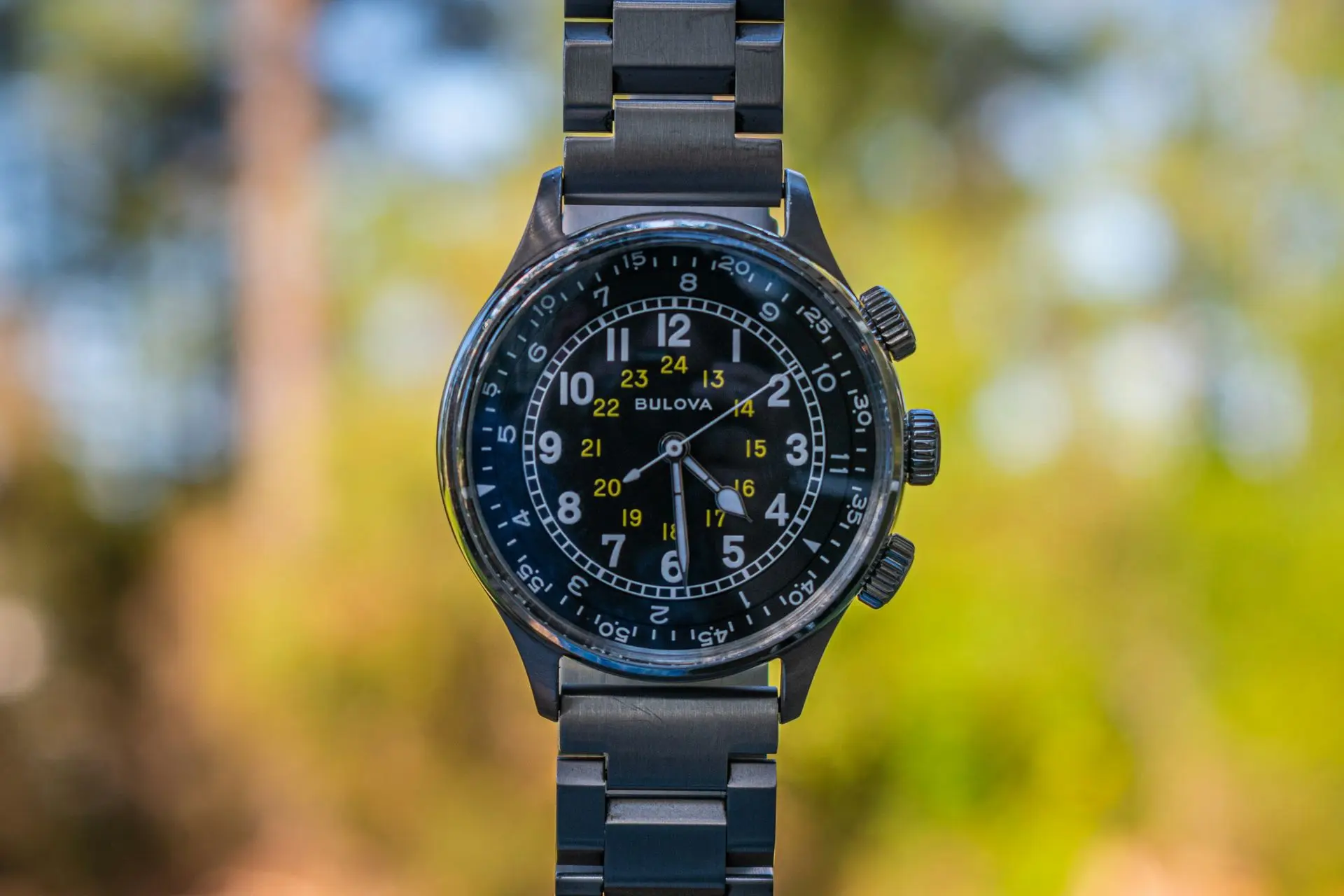
Designmerkmale von Militäruhren
Das Design von Militäruhren basiert auf Funktionalität, Robustheit und Einfachheit. Nichts ist überflüssig.
Robustes und minimalistisches Design
Militäruhren müssen nicht übermäßig verziert sein, da eine klare Ablesbarkeit wichtiger ist als der Stil.
Typische Merkmale sind:
- Minimalistisches Zifferblatt ohne unnötige Elemente
- Robustes Schutzgehäuse
- Gut sichtbare Markierungen und Anzeigen
Dieses Design trägt dazu bei, Verwechslungen zu vermeiden, insbesondere in Stresssituationen, in denen schnelle Entscheidungen erforderlich sind.
Armbandmaterialien
Das Armband trägt wesentlich zum Tragekomfort und zur Langlebigkeit der Uhr bei.
Folgende Armbandtypen werden verwendet:
- Nylonarmbänder (NATO-Armbänder): Nylon ist sehr strapazierfähig, leicht und schnelltrocknend.
- Kautschukarmbänder: Ideal für den Einsatz bei Nässe und im Freien.
- Lederarmbänder: Weniger verbreitet, werden aber bei halbformellen Militäruhren verwendet.
Bei Leitzeit achten wir darauf, dass unsere Armbänder auch bei längerem Feldeinsatz ihre Strapazierfähigkeit und ihren Tragekomfort beibehalten.
Gehäusedesign und Größe
Militäruhren sind je nach Einsatzzweck in verschiedenen Größen erhältlich.
- Kompakte Uhren bieten hohe Bewegungsfreiheit und ein geringes Gewicht.
- Taktische Uhren sind häufig größer, um besser ablesbar zu sein und mehr Funktionen zu bieten.
Das Gehäuse schützt das Uhrwerk vor folgenden Einflüssen:
- Stößen
- Druck
- Hitze und Kälte
Zu den häufig verwendeten Materialien gehören:
- Titan (sehr leicht und äußerst robust)
- Edelstahl (stabil und vielseitig)
- Kohlefaser (fortschrittliche, ultraleichte Alternative)
Tarnung und unauffälliges Design
Die Farben von Militäruhren sind in der Regel so gewählt, dass sie möglichst unauffällig sind und wenig Licht reflektieren.
Beliebte Oberflächen und Farbvarianten sind:
- Reflexionsarmes Mattschwarz
- Sandfarben für den Einsatz in Wüstengebieten
- Olivgrün für Dschungel- und Feldeinsätze
Diese Farben helfen dabei, die Uhr unauffällig zu halten und bei Einsätzen unnötige Aufmerksamkeit zu vermeiden.
Arten von Militäruhren
Militäruhren werden für unterschiedliche Bedingungen und Einsätze entwickelt.
Felduhren
Der praktischste und schlichteste Uhrentyp ist die Felduhr.
Sie zeichnen sich durch folgende Eigenschaften aus:
- Gute Ablesbarkeit der Zeit
- Hohe Robustheit
- Einfache Bedienbarkeit
Felduhren werden von Soldaten auch wegen ihres geringen Gewichts, ihrer Zuverlässigkeit und ihrer Widerstandsfähigkeit unter schwierigen Bedingungen geschätzt.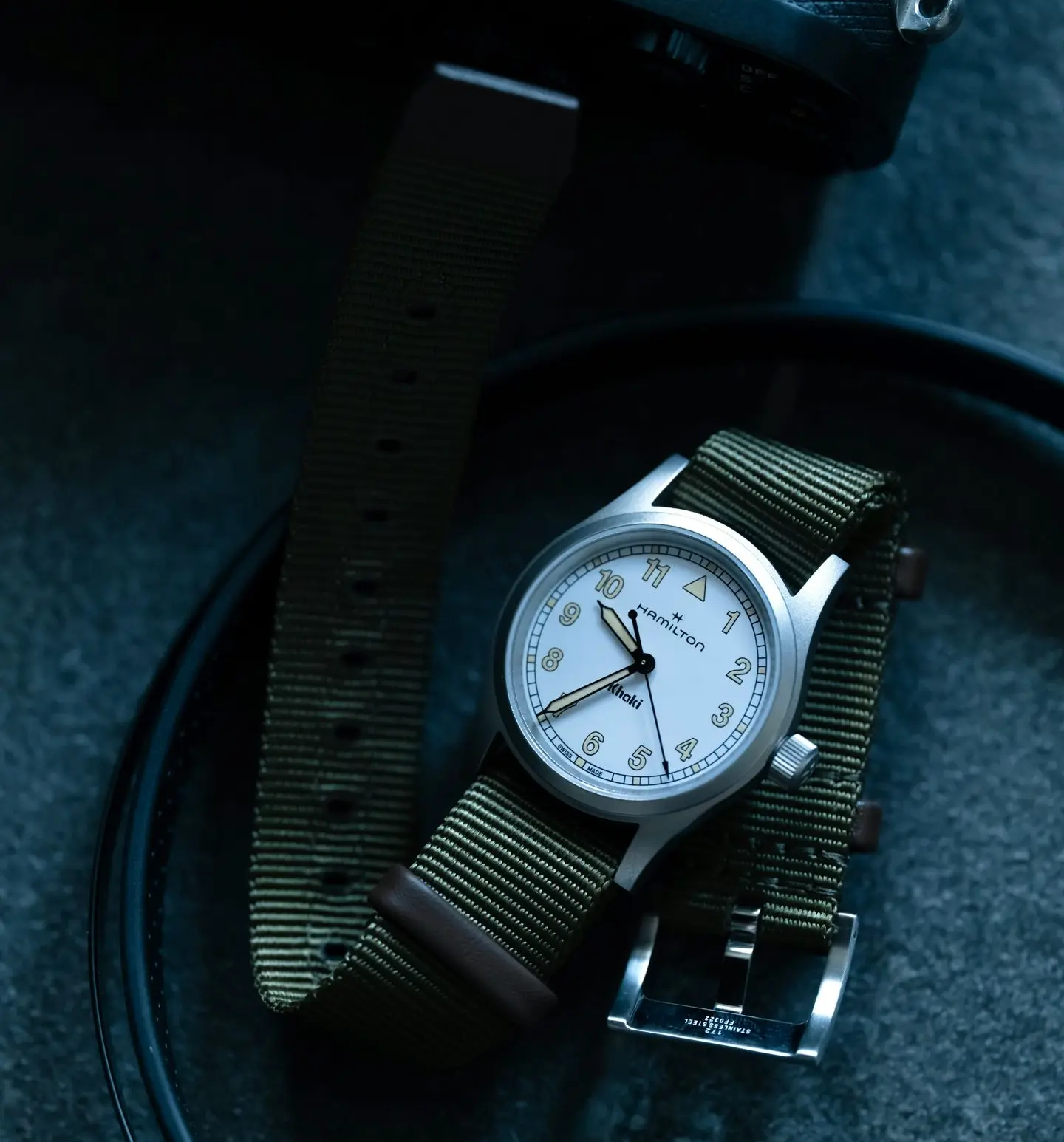
Taucheruhren für militärische Einsätze
Militärische Taucheruhren sind für Unterwassereinsätze und maritime Missionen konzipiert.
Zu den wichtigsten Merkmalen gehören:
- Hohe Wasserdichtigkeit (in der Regel 200 m oder mehr)
- Drehbare Lünetten zur Zeitmessung
- Zuverlässige Dichtungsmechanismen, die das Eindringen von Wasser verhindern
Diese Uhren helfen Tauchern dabei, die verbleibende Sauerstoffzeit und die Dauer ihrer Unterwassereinsätze sicher zu überwachen.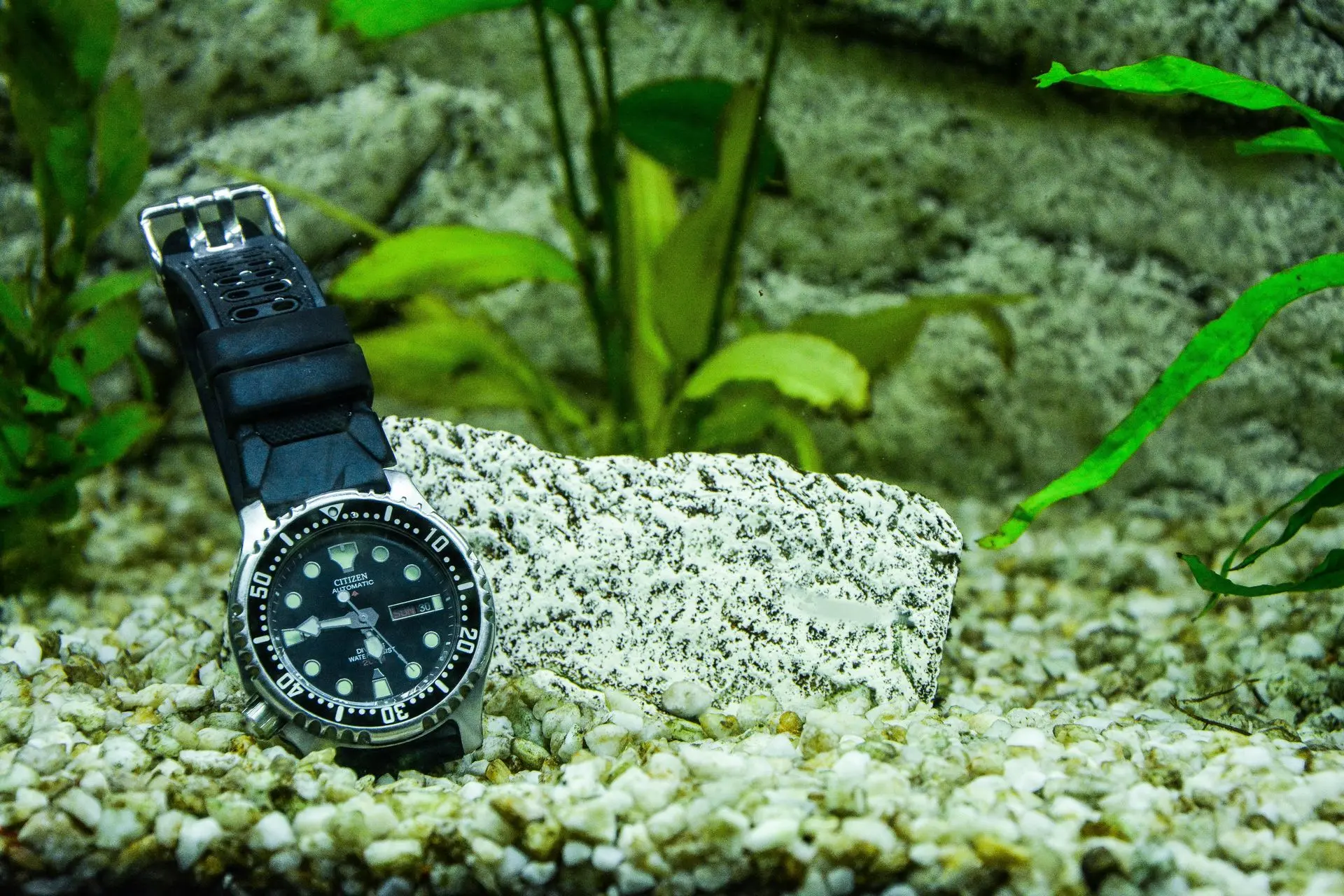
Fliegeruhren
Fliegeruhren sind speziell für die Luftfahrt entwickelte Uhren.
Zu ihren Merkmalen gehören:
- Große Zifferblätter für eine gute Ablesbarkeit im Cockpit
- Gut sichtbare Markierungen
- Funktionen zur Navigation und Flugzeitmessung
Diese Uhren helfen Piloten dabei, während des Fluges und bei Einsätzen die Zeit präzise im Blick zu behalten.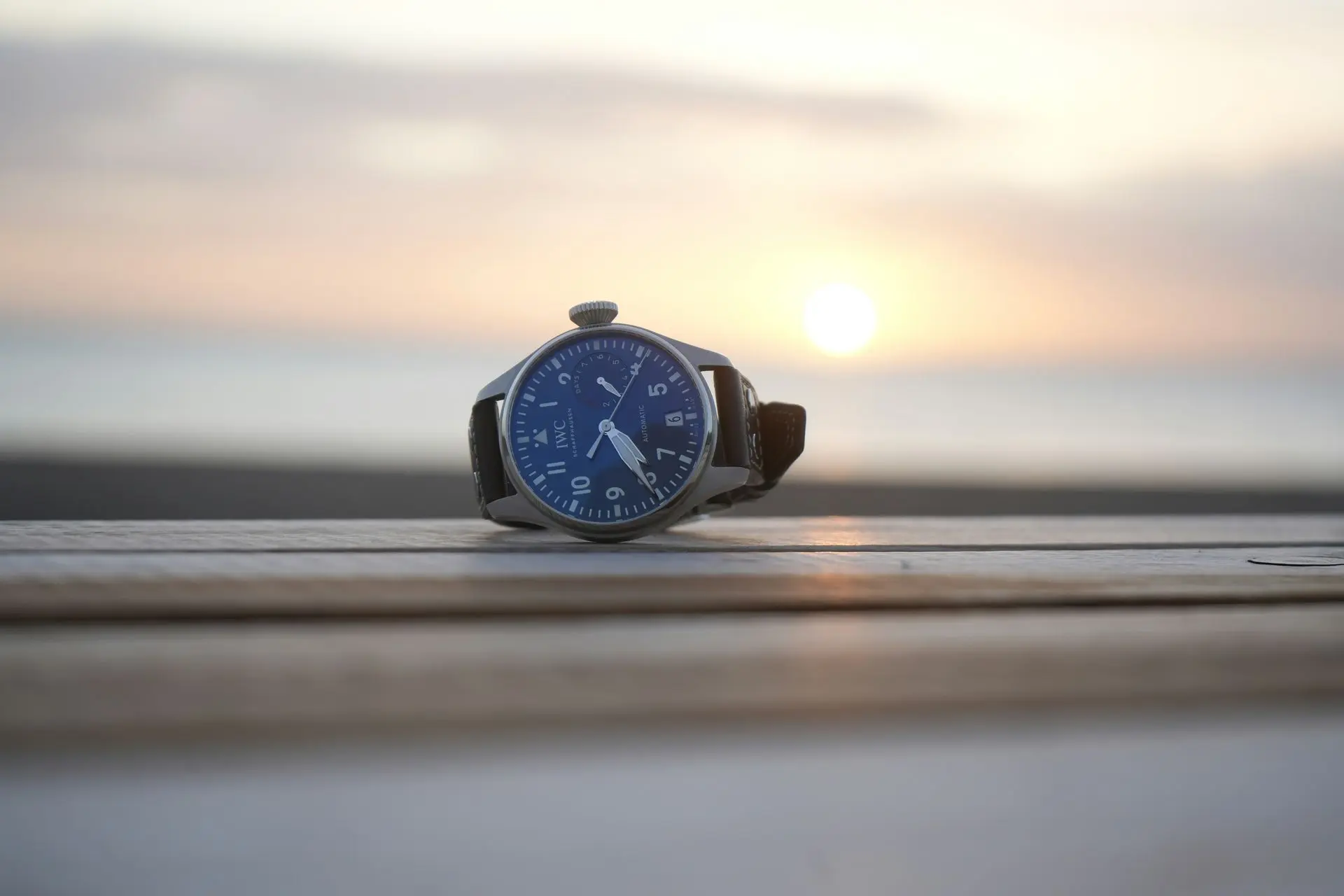
Digitale taktische Uhren
Die fortschrittlichste Form taktischer Uhren sind digitale Modelle.
Sie bieten folgende Funktionen:
- Standortbestimmung mithilfe von GPS.
- Überwachung von Gesundheit, Sicherheit und Herzfrequenz
- Wettervorhersagen für den Einsatz im Gelände
- Intelligente Benachrichtigungen zur Einsatzkoordination
Diese Uhren finden sowohl beim Militär als auch bei Outdoor-Aktivitäten und im Überlebenseinsatz vielfältige Anwendung.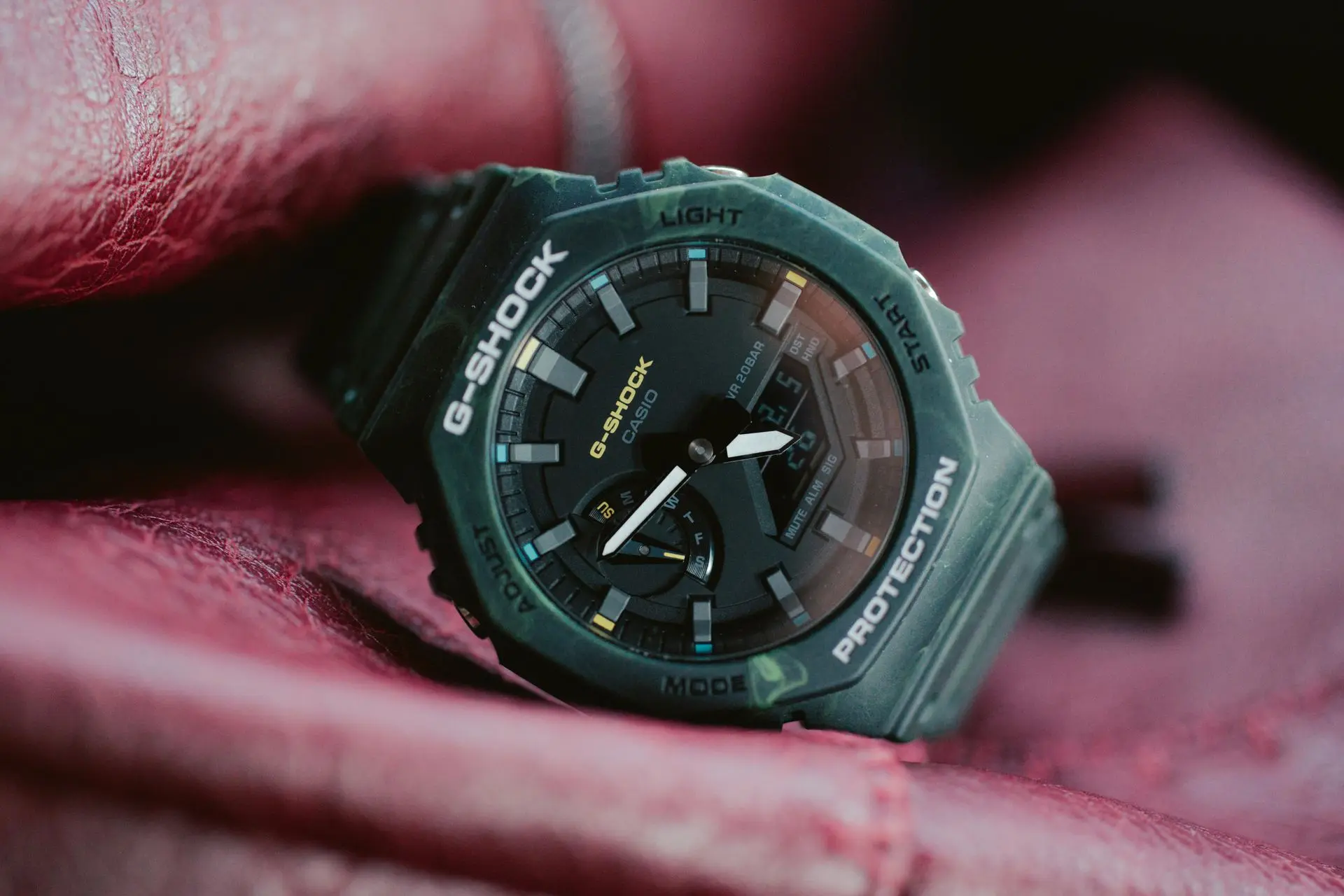
Wie Militäruhren im Kampfeinsatz verwendet werden
Soldaten verlassen sich bei realen Kampfeinsätzen auf Militäruhren.
Sie werden für folgende Zwecke eingesetzt:
- Zeitplanung von Einsätzen: Zur Organisation von Angriffen und Truppenbewegungen.
- Navigation: Zur Unterstützung von Soldaten bei der Orientierung.
- Zeitliche Koordination der Kommunikation: Zur Abstimmung zwischen Einheiten.
- Überlebensplanung: Zur Überwachung von Tag-Nacht-Zyklen und Notfällen.
Im tatsächlichen Kriegsgeschehen zählt jede Sekunde. Eine Militäruhr hilft dabei, alle Abläufe zu koordinieren und den Überblick zu behalten.
Materialien für Militäruhren
Militäruhren werden aus hochwertigen Materialien gefertigt, um eine zuverlässige Leistung zu gewährleisten.
Material | Vorteil |
Edelstahl | Robust und korrosionsbeständig |
Titan | Leicht und langlebig |
Kohlefaser | Extrem leicht und dennoch stabil |
Mineralglas/Saphirglas | Schutz vor Kratzern |
Polymer | Flexibel und stoßfest |
Standards und Zertifizierungen für Militäruhren
Militäruhren werden in der Regel strengen Tests unterzogen.
Dazu gehören:
- Stoßfestigkeitstests
- Temperaturbeständigkeitstests
- Wasserdrucktests
- Vibrationsfestigkeitstests
Einige Uhren basieren auf MIL-SPEC, also militärischen Spezifikationen.
Das Militär testet die Uhren unter realitätsnahen Bedingungen, die tatsächlichen Kriegsszenarien entsprechen.
Militäruhren im Vergleich zu herkömmlichen Uhren
Merkmal | Militäruhren | Herkömmliche Uhren |
Robustheit | Sehr hoch | Mittel |
Wasserdichtigkeit | Hoch | Gering bis mittel |
Funktionen | Taktische Funktionen | Grundlegende Zeitmessung |
Design | Funktional | Modeorientiert |
Preis | Höher | Niedriger |
Beliebte Militäruhrenmarken (Überblick)
Weitere bekannte Hersteller von Militäruhren sind:
- Casio G-Shock
- Garmin Tactical Series
- Luminox
- Seiko Military Collection
- Suunto
Diese Marken legen besonderen Wert auf Zuverlässigkeit im Feldeinsatz, moderne Technologie und Robustheit.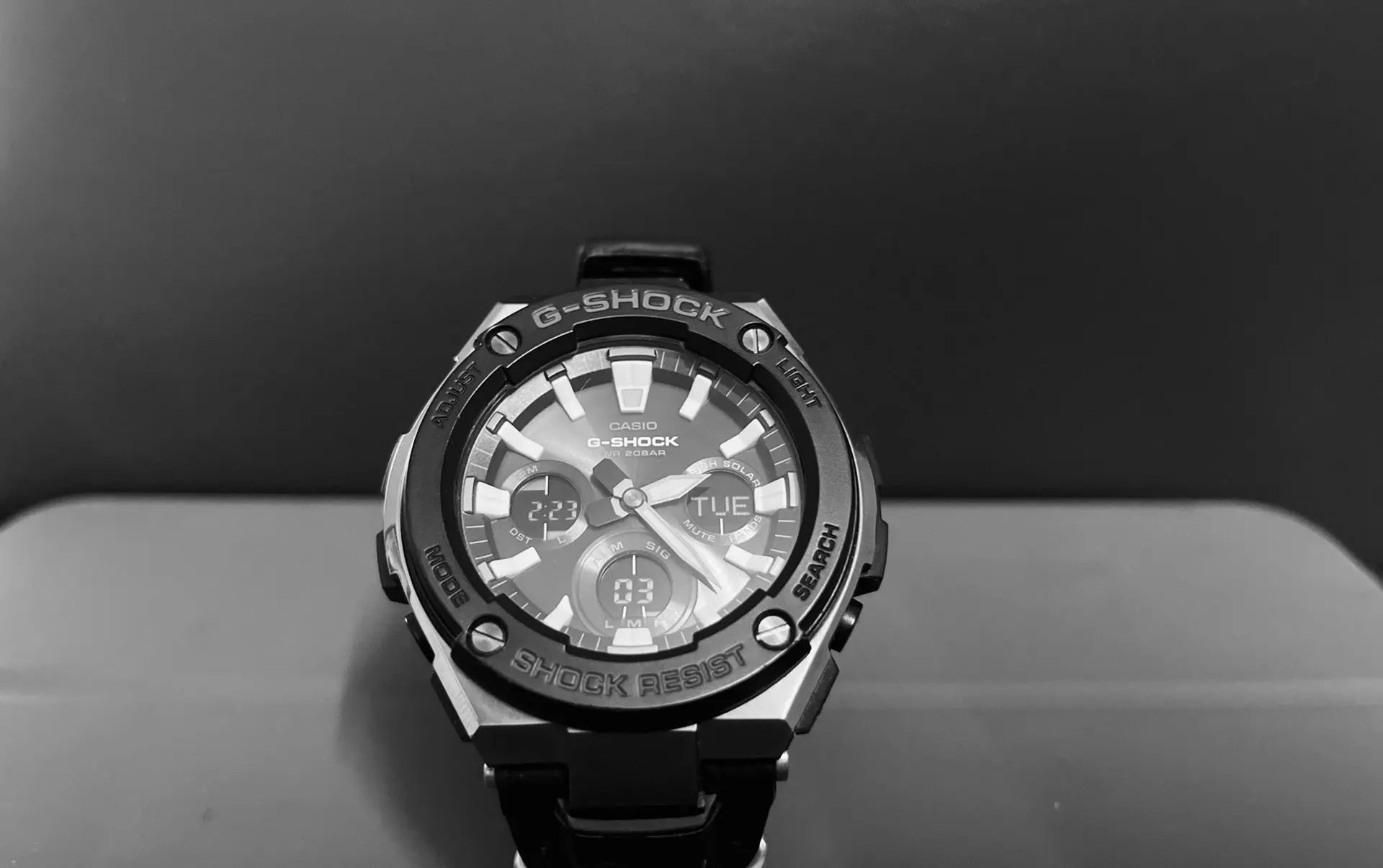
Vorteile von Militäruhren
Militäruhren bieten mehrere wichtige Vorteile:
- Extreme Robustheit
- Vielseitige Funktionen
- Hohe Ganggenauigkeit
- Lange Batterielaufzeit (insbesondere bei Quarzuhren)
- Zuverlässige Funktion bei extremen Temperaturen
Sie sind für Anwender konzipiert, die sich keine Ausfälle leisten können.
Einschränkungen von Militäruhren
Auch leistungsfähige Instrumente haben ihre Grenzen:
- Größeres Design als bei modischen Armbanduhren
- Fortschrittliche Modelle sind teurer.
- Zusätzliche Funktionen können für Einsteiger kompliziert sein.
- Nicht immer für formelle Anlässe geeignet
Diese Einschränkungen werden jedoch zugunsten der Leistungsfähigkeit in Kauf genommen.
Die Zukunft der Militäruhren
Militäruhren werden kontinuierlich weiterentwickelt.
Zukünftige Verbesserungen könnten Folgendes umfassen:
- KI-gestützte Ortungssysteme
- Höhere GPS-Genauigkeit
- Gesundheitsüberwachung für Soldaten
- Leichtere und widerstandsfähigere Materialien
- Erweiterte Kommunikationsfunktionen
Bei Leitzeit arbeiten wir weiterhin an der nächsten Generation unserer Uhrendesigns, die Tradition und moderne Technologie miteinander verbinden.
Fazit
Militäruhren sind mehr als bloße Accessoires. Sie sind Überlebensinstrumente, die für Präzision, Robustheit und Zuverlässigkeit unter extremen Bedingungen entwickelt wurden. Von den frühen Taschenuhren bis hin zu den heutigen taktischen Systemen wurden sie kontinuierlich weiterentwickelt, um den tatsächlichen Anforderungen im Kampfeinsatz gerecht zu werden.
Bei Leitzeit, basiert unsere Philosophie auf einem einzigen Grundsatz: Eine Uhr muss funktionieren, wenn alles andere versagt.
Militäruhren sind die richtige Wahl, wenn Sie eine Uhr suchen, die auch unter schwierigen Bedingungen zuverlässig funktioniert. Sie vermitteln Sicherheit, Kontrolle und Präzision – unabhängig von den Umständen.
Wenn Sie mehr über leistungsstarke Militäruhren im Militärstil erfahren möchten, die für den Einsatz unter realen Bedingungen entwickelt wurden und eine hohe Genauigkeit bieten, besuchen Sie Leitzeit und entdecken Sie Modelle, die Sie auch bei Ihren anspruchsvollsten Aufgaben zuverlässig unterstützen.
FAQs – Häufig gestellte Fragen
1. Was unterscheidet Militäruhren von herkömmlichen Uhren?
Militäruhren sind so konstruiert, dass sie auch unter extremen Bedingungen robust und präzise funktionieren, während bei herkömmlichen Uhren das Design stärker im Vordergrund steht.
2. Sind Militäruhren wasserdicht?
Die meisten Militäruhren sind wasserdicht. Modelle, die beim Tauchen eingesetzt werden, verfügen über eine besonders hohe Wasserdichtigkeit.
3. Werden Militäruhren mit Batterien betrieben?
Ja, die meisten modernen Militäruhren verfügen über Quarzwerke mit Batteriebetrieb. Einige Modelle sind mit mechanischen Automatikwerken ausgestattet.
4. Können Zivilisten Militäruhren tragen?
Ja, Militäruhren können von jedem getragen werden. Sie eignen sich sowohl für Outdoor-Aktivitäten als auch für den Alltag.
5. Was bedeutet MIL-SPEC bei Uhren?
MIL-SPEC bezeichnet militärische Spezifikationen, die festlegen, welchen Anforderungen eine Uhr hinsichtlich Robustheit, Stoßfestigkeit und Umweltbeständigkeit entsprechen muss.
6. Sind digitale Militäruhren besser als analoge Modelle?
Digitale Uhren bieten mehr Funktionen, während analoge Uhren schlicht und zuverlässig sind. Beide Varianten haben ihre Vorteile.
7. Warum sind Militäruhren so teuer?
Sie werden aus hochwertigen Materialien gefertigt, verfügen über fortschrittliche Technologien und werden umfassend auf ihre Leistungsfähigkeit und Robustheit getestet.