The beauty of science and craftsmanship is displayed by Heat Bluing Watch Hands. The rich, smooth blue on the quality watches is not a paint but a creation of fire, accuracy and craftsmanship that will turn simple steel into classic and artistic perfection.
What Is Heat Bluing in Watchmaking?
When you look at a watch with blue hands, you are looking at the product of heat bluing, an ancient process by which steel has been turned to a rich, deep blue by regulated heating. It is not only about appearances. It is an emblem of patience and art.
The popular products of Heat Bluing Watch Hands are
- Engages heating of polished steel until there is a thin oxide layer.
- Brings deep light blue colors through temperature accuracy.
- Blends reliability, resistance to corrosion and beauty.
- Has been a symbol of traditional horology practiced by great watchmakers.
Since ancient times watchmakers have been applying this method to improve the beauty and lifespan of their products. The blued hands do not rust, they do not lose their color with time, and they demonstrate the pride of the true craftwork.
The Science Behind Heat Bluing Watch Hands
You may imagine the blue one to be the result of a coating or a paint on it, but it is pure physics and chemistry. During heating of steel, oxygen reacts with the metal surface. With an increase in temperature, oxide layers are formed which are thin and the color varies with an increase in degree.
Temperature transformation of color:
- 220°C - 250°C: Light yellow tones
- 260°C - 270°C: Brown or straw hues
- 280°C-290°C: purple and violet tones.
- 290°C-310°C: dark cornflower blue (watches are perfect)
This phenomenon of light interference, which produces the signature blue color, in turn, is the result of an optical effect. The oxide coating is a natural protection that helps in keeping steel rust free and increases its life span.
Therefore, it is not only about the style that Heat Bluing Watch Hands is a creation of chemistry, optics, and art.
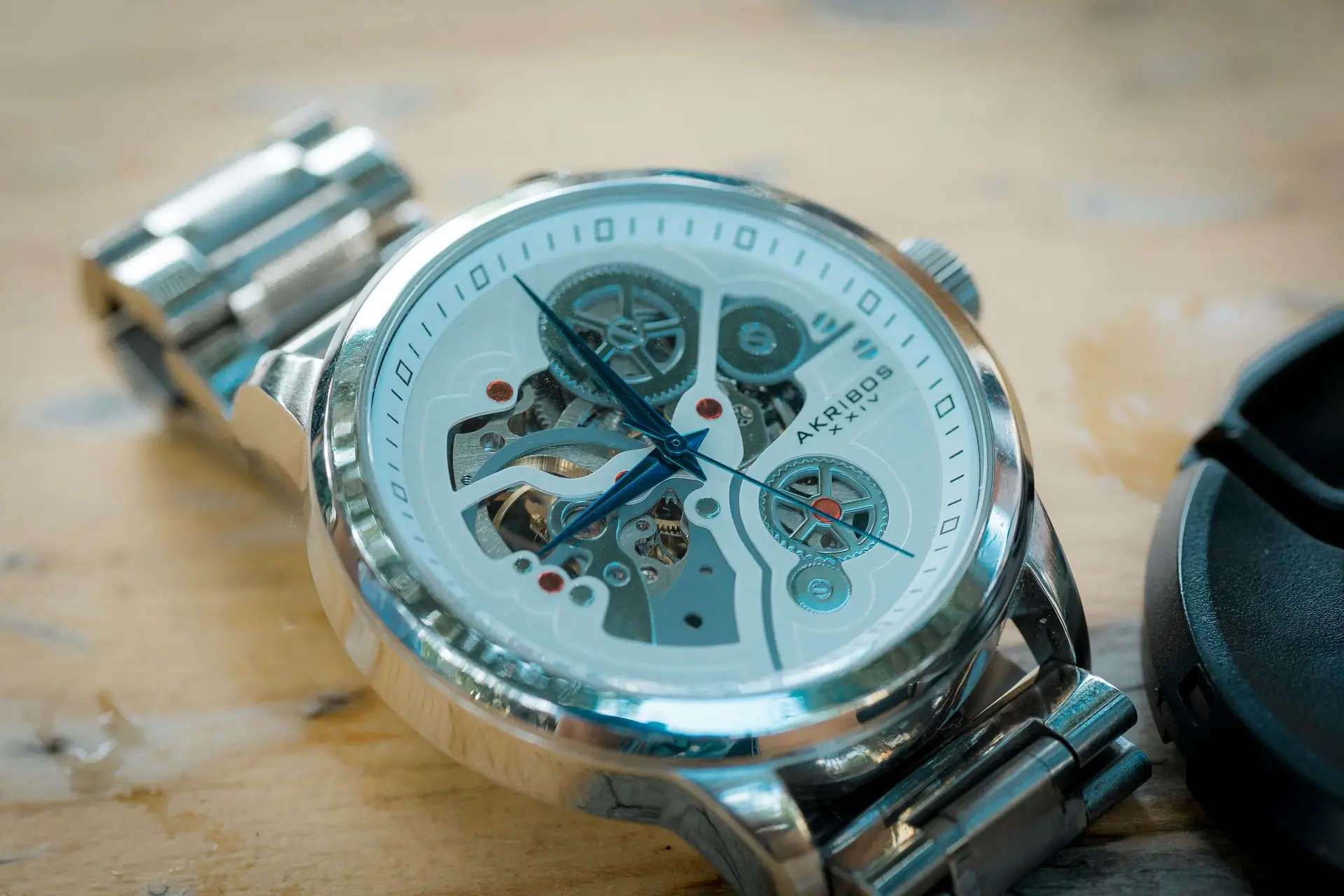
The Traditional Process of Bluing Watch Hands and Screws
One of the most sensitive and most exact jobs in the art of watchmaking is bluing watch hands. This is the way old artisans do it to this day:
Preparing the Steel Components
All masterpieces begin with preparation. Steel that is used to manufacture Heat Bluing Watch Hands should be flawless, soft, and well polished.
Preparation checklist:
- Fine results always with high-grade carbon steel.
- Keep on polishing until the surface is perfect.
- Wipe with oil, fingerprints or dust.
- Make edges even so as to spread the heat evenly.
Any slight contamination will spoil the final shade hence this step should be done with a lot of care.
Controlled Heating Technique
When ready the steel components are put on a brass or copper plate, which has been selected due to its capacity to distribute heat uniformly. The plate is then heated slowly and evenly by the watchmaker.
During heating:
- The metal changes its color slowly—yellow-brown-violet-blue.
- It is important to be constantly observed; 5 seconds can or cannot make the difference.
- Depending on tradition, artisans employ flame, alcohol lamps or electric plates.
It aims at achieving a temperature of 300°C and halting when the desired blue color is achieved.
Achieving the Perfect Blue Shade
This is where skill shines. Watchmakers are more dependent on visual information than on instruments.
Signs of perfection:
- Smooth, but streak-free deep blue surface.
- No patches or dull spots.
- Mirror, reflective finish, slight variation of light.
Every pair of Heat Bluing Watch Hands are unique in its own way—the color is a little bit different, and each product is very unique.
Cooling and Final Finishing
The oxide layer is stabilized with the assistance of natural cooling after heating. Artificial cooling may destroy the fragile finish.
Final touch steps:
- No fans, water, or air conditioning.
- Place on a thin protective oil or lacquer coating.
- Check every part of the product to persist in appearance.
This will make your watch hands shine with the rich blue shine decades later.
Artistic and Aesthetic Value of Blued Watch Hands
The blue hands are not mere technical products; they are artistic products of art. The bold blue color contributes to the legibility of the dial as well as gives a vintage appeal to the dial.
The aesthetic benefits of Heat Bluing Watch Hands:
- Gives a luxurious contrast to the white or silver dials.
- Scatter reflects light and provides color changes that are dynamic.
- Represents the tradition and genuineness of watches.
- Linked to luxury brands such as Breguet, Lange, and Patek Philippe.
In brief, the blue color transforms a practical component into a work of visual art that brings history and accuracy.
Comparison Table: Heat Bluing vs Chemical & Painted Bluing
Feature | Heat Bluing Watch Hands | Chemical Bluing | Painted Bluing |
Process Type | Oxidation through heating control. | Chemical coating | Synthetic paint or enamel |
Color Depth | Natural, light reflective gradient. | Flat and dull | Solid tone, no gradient |
Durability | Very impervious to decay and rust. | Moderate | Low |
Authenticity | True artisan technique | Artificial | Artificial |
Aesthetic Appeal | Rich, elegant, dynamic blue | Static | Often looks flat |
Maintenance Needs | Minimal | Moderate | High |
Used In | Luxury and mechanical watches. | Mid-range models | Low-cost watches |
This table demonstrates the fact that the products offered by Heat Bluing Watch Hands are many times better than the imitating techniques in terms of beauty and durability.
Why Watchmakers Still Use Heat Bluing Today
Although modern manufacture has found substitutes to heat bluing, traditional watchmakers cannot substitute it due to its charm and authenticity.
Why the method survives:
- It is really artistic workmanship—the hands are carved out by hand.
- Relates new watches with the heritage of horology.
- Represents care and high quality.
- Adds to the value and collectability of a watch.
Authenticity is important in the luxury world. This is why the Heat Bluing Watch Hands have been the gold standard of all-time simplicity.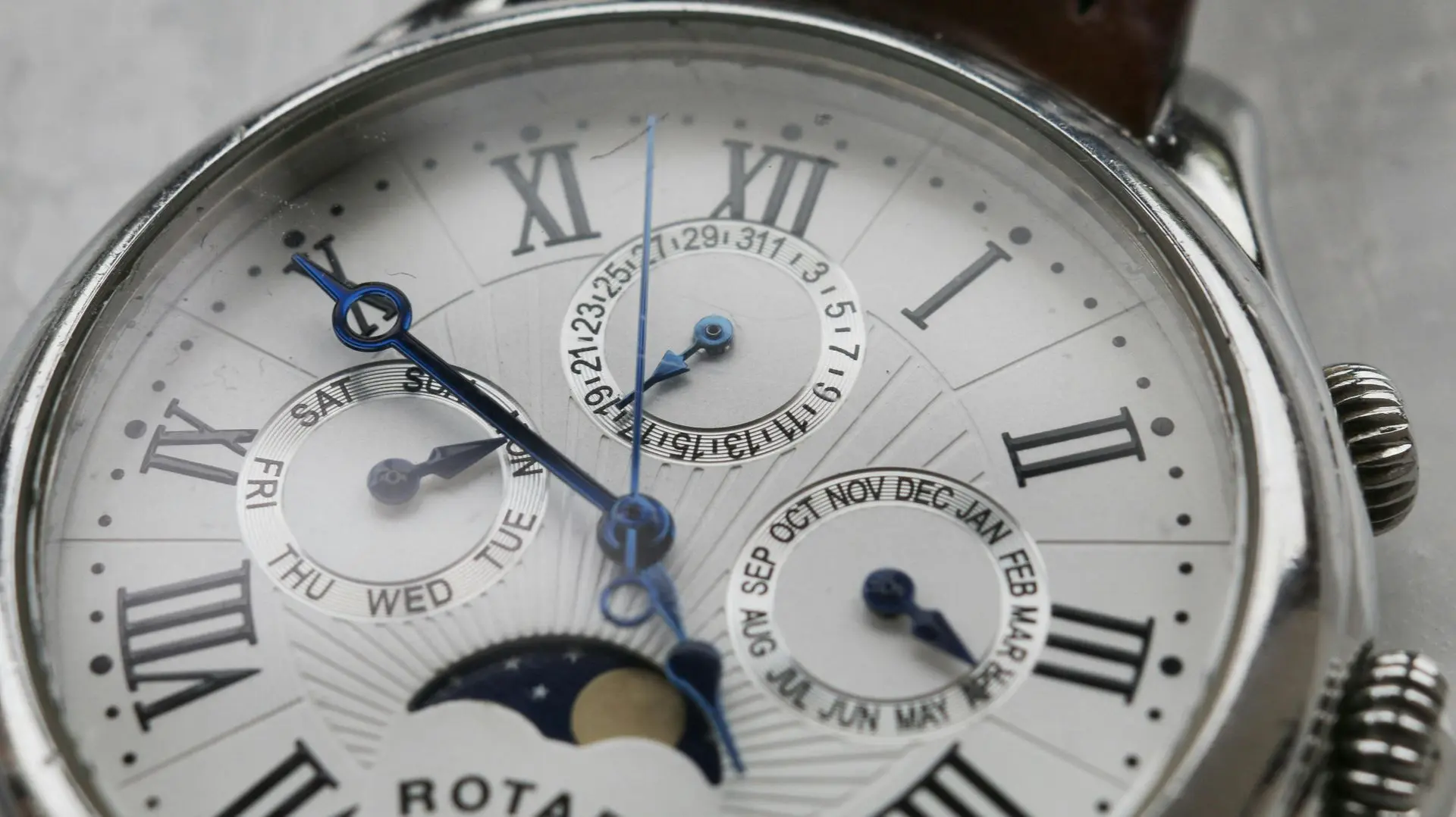
Common Challenges in Heat Bluing
Bluing steel is not easy. High concentration and consistent control are required in the process.
The main issues of artisans:
- Temperature variations: The slightest variations will change the color.
- Dust particles: Produce spots of uneven coloring or small dark spots.
- Timing: Blue will become gray or black at a time longer than the optimum heat period.
- Polishing defects: Any existing marks are exposed in the course of heating.
There are years to perfect these variables by master watchmakers—this is one of the reasons why authentic blued hands are greatly appreciated by collectors.
Caring for Heat-Blued Watch Hands
In case you have a timepiece of Heat Bluing Watch Hands, you must take care of them so that they can retain their luster and accuracy.
Maintenance tips:
- Do not use chemical cleansers or alcohol based cleansers.
- Do not expose your watch to excessive humidity and a drastic change in temperatures.
- Apply a soft microfiber cloth to do the cleaning lightly.
- When not in use store in a cool dry place.
- Service your watch periodically to keep the moisture out of the dial.
The little things can be used to keep your watch hands as beautiful as the day you purchased them.
The Legacy and Heritage of Heat Bluing
The practice of heat bluing can be traced back to the early days of European watchmaking as it was found that heating steel enhanced the resistance to corrosion. What seemed to be a useful approach later turned into an emblem of honor.
Historical significance:
- Developed in the Swiss and French horology of the 18th century.
- Breguet adopted it and mastered the elegant blued hands.
- Symbolizes centuries of tradition of ancient brands continued.
- The art and science of watchmaking.
You are not just wearing something beautiful but also living history when you decide to wear a watch with Heat Bluing Watch Hands.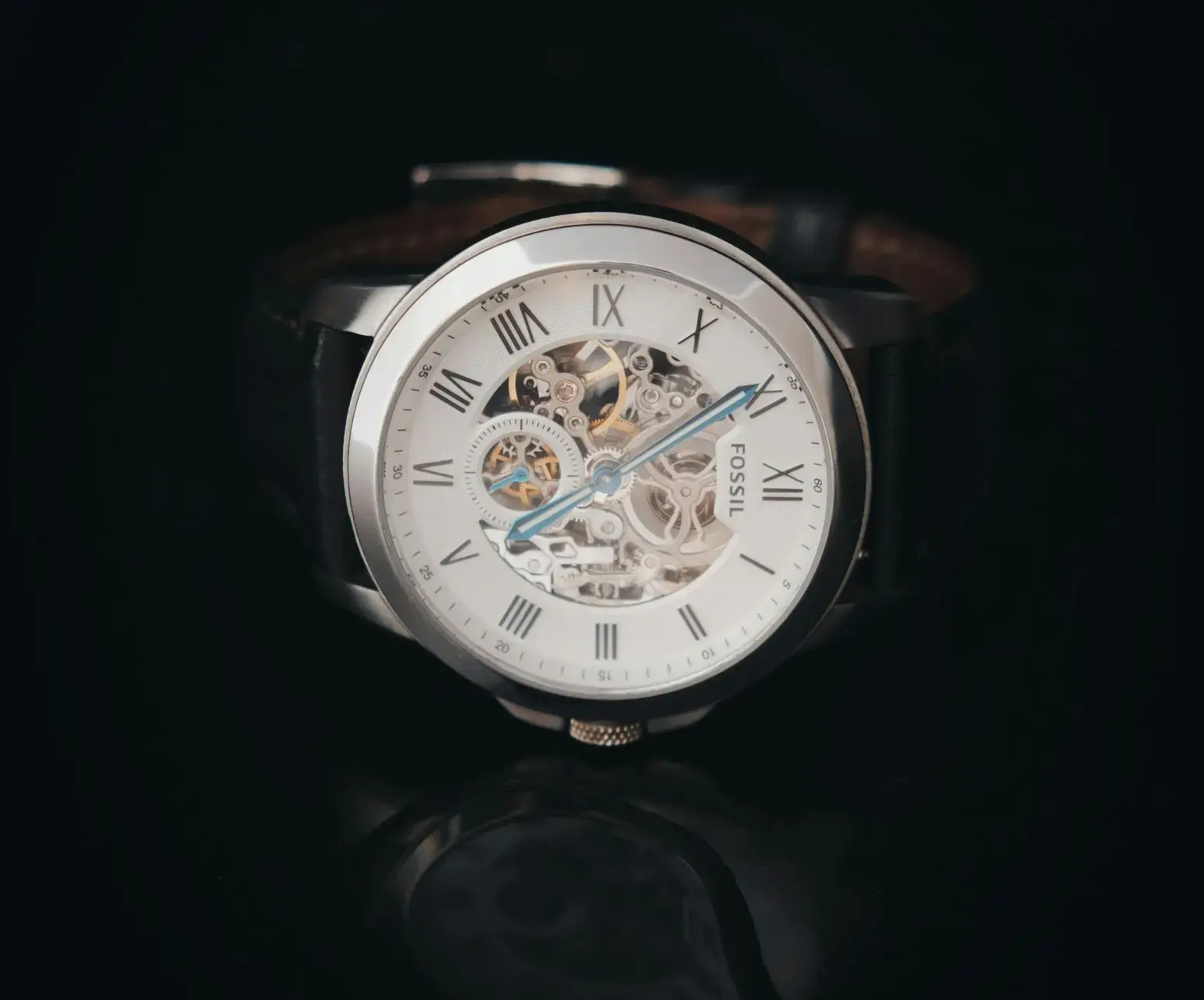
Why Heat Bluing Watch Hands Are Still Relevant
In the modern digital age when machines perform the majority of the tasks, heat bluing is still a manual process being performed by human hands. That alone makes it special.
The reasons why this remains relevant:
- The natural richness of heat-blued steel cannot be made in any artificial way.
- It brings emotional and collecting values to watches.
- Exudes fakeness—which mass production cannot provide.
- Addresses to aesthetic people who love details.
Any look at the deep blue hands would be a reminder of the fact that real art endures.
Conclusion
Heat Bluing Watch Hands is an ultimate artwork of both art and science. They demonstrate that with skilled workmanship, it is possible to create something out of ordinary steel that can be deemed as extraordinary and eternal.
This legacy is what we carry on at Leitzeit by maintaining the principle of traditional watchmaking. All our blue hands demonstrate our love for detail and beautiful things. Get to know the realm of real craftsmanship with us; learn more about our brand and feel the beauty of the watches where fire, skill and art are put in a perfect unity.
FAQs About Heat Bluing Watch Hands
Do all the blue watch hands undergo heat bluing?
No. A lot of watches are painted or chemically done. The True Heat Bluing Watch Hands were produced by heating the polished steel to about 300°C so that it formed a natural layer of blue oxide.
Does heat bluing prevent the rust of watch hands?
Yes. The oxide coating formed in the process serves as a shield, and rust and corrosion will not occur with time.
Will the blue color go through as time goes by?
It hardly wears away with the proper care. Always have your watch dry and clean to keep the vibrant blue color for decades to come.
Is it that heat bluing is applied to watch hands only?
No. It is also used on screws, bridges and other visible steel components in high-end mechanical movements.
How can I tell if my watch has real heat-blued hands?
Tilt watch under light—the genuine Heat Bluing Watch Hands have a rich and deep blue color that varies slightly with light whereas painted ones have a flat and uniform look.