The journey of the automatic watch from pocket watch to Modern Marvels is a captivating tale of innovation and expertise from early concepts to modern marvels. It is a story of brilliant inventors, persistent challenges, and relentless innovation. Here, we trace the evolution of the automatic watch history of the self-winding movement, and also who invented the automatic watch.
A long time ago, people used pocket
watches. These watches had to be wound by hand every day. It was inconvenient. In
the 1700s, the history of the watch watchmakers began to
dream of a watch that could wind itself, to create a watch that was powered by
the movement of the person carrying it.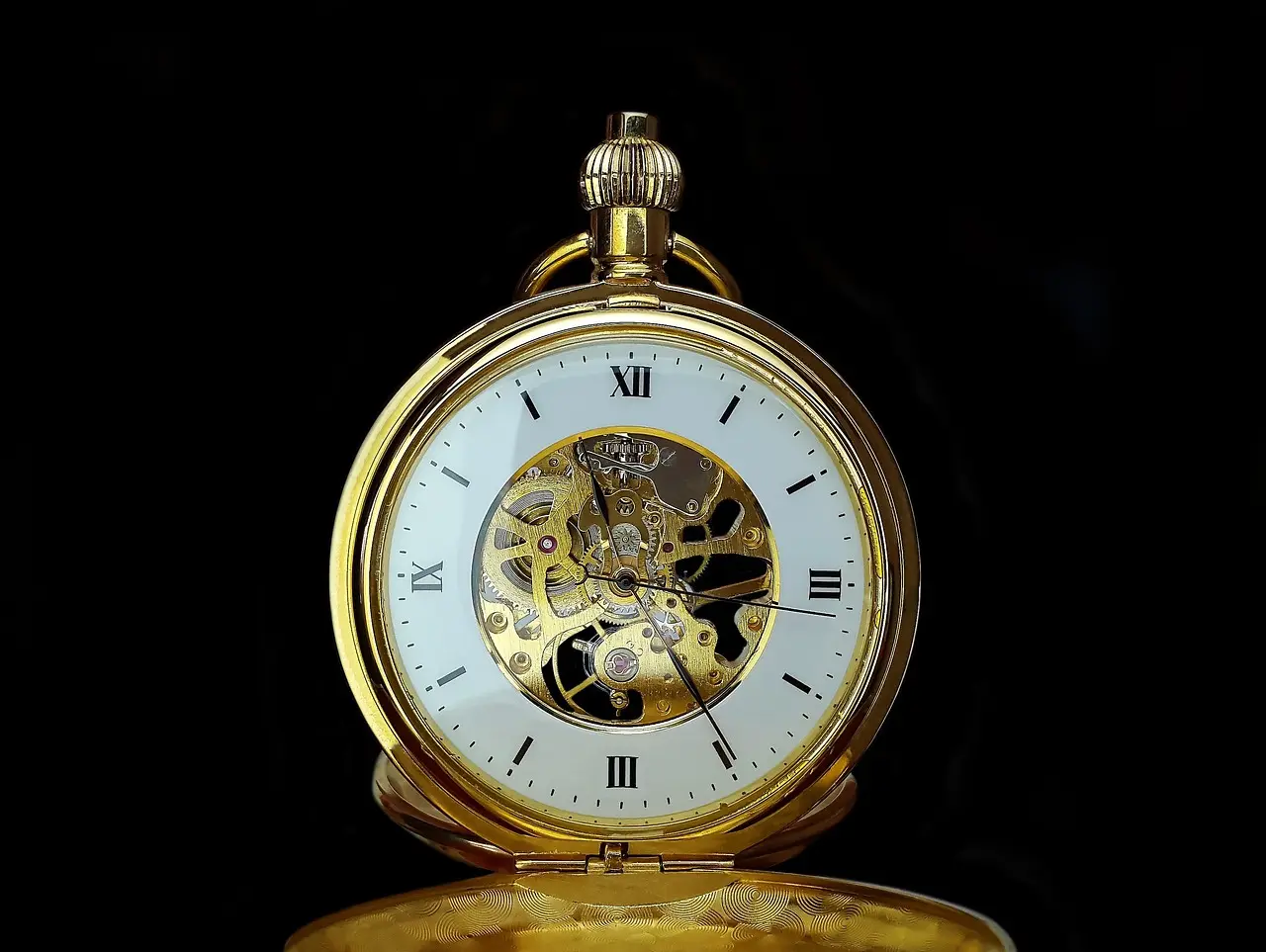
ERA I: Abraham-Louis Perrelet
A Swiss watchmaker named Abraham-Louis Perrelet is often called the first pioneer. First watch, around the year 1770, he created a special mechanism for a pocket watch. Inside the watch, he put a heavy weight that could move up and down. When the person walked, the weight would swing. The weight of the early version of what we now call a rotor. His idea was brilliant, but it was not efficient. A person had to walk long enough to wind the watch fully.
ERA II: Abraham-Louis Breguet
Another brilliant watchmaker, Abraham-Louis Breguet, saw Perrelet's invention, and he decided to make it better. He improved the design to make it more compact and reliable. He names his watch the "Perpétuelle". It is so expensive and looks beautifully made that they were owned by royalty, like Queen Marie-Antoinette. It was still rare and delicate; it was not ready for everyone to use.
ERA III: The Wristwatch
The vast change occurred when people started using watches on their wrists instead of in their pockets. World War I showed that wristwatches were very useful for soldiers. In 1920s it was became popular with everyone. But now this time, a new problem has been created because wristwatches are smaller, so their springs need to be wound more often. And the search for a self-winding wristwatch became necessary.
ERA IV: The First Modern Self-Winding Wristwatch under John Harwood
John Harwood, a British man, solved this problem. He was working as a watch repairer. He knows to fix two things: one of the hassles of daily winding and the second is the fact that dust and water cloud get inside the watch through the winding hole. In 1924, he got a patent for his design. His watch had a "bumper" rotor. It was a weight that could swing back and forth like a pendulum. His watch has no crown to wind it; you set the time by turning the entire bezel. It is the first successful automatic wristwatch that was sold to the public. But it was not the most efficient design due to its weight, and it could not swing in a full circle.
ERA V: The Rolex Revolution
While Harwood's watch was the best,
the company Rolex changed everything. In 1931, Rolex introduced the "Perpetual"
rotor after long work. It was a vast improvement. It was rotated a full 360
degrees, like a fan. This discovery meant it could capture energy from the
tiniest movement of the wrist watch. This design is much more efficient and
became the model for every auto watch after it. Rolex made the auto watch
practical and reliable for daily life.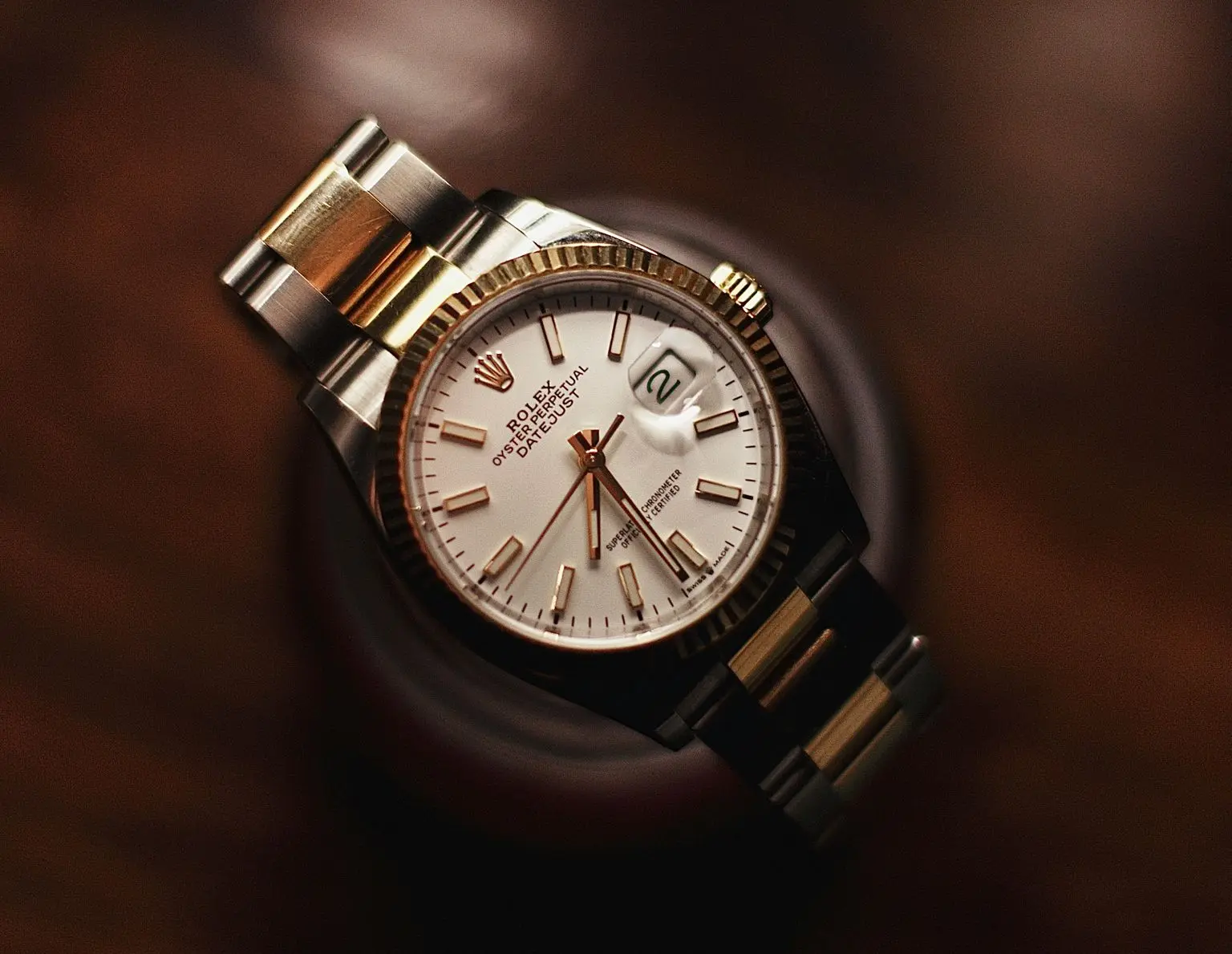
ERA VI: The Golden Age After the War
After World War II, watches entered a golden age. The main idea was proven to work, so companies focused on introducing a better and cheaper watch.
- Eterna's Ball Bearing: In 1948, a company named Eterna made a key improvement. The rotor was placed on a set of tiny ball bearings and made to spin much more smoothly and freely. It made the watches more reliable. Today, almost all watches use this idea.
- More Complex Watches: In the 1950s and 60s, watchmakers started adding automatic winding to complex watches. These included watches with calendars and stopwatch features (chronographs). This showed that the automatic system looked strong and versatile.
ERA VII: The Quartz Crisis
The 1970s were a very hard time for watches. New quartz watches were invented. These watches were featured and powered by a battery and were very cheap and accurate. Most people bought quartz watches. The Swiss watch industry, which focused on watches, almost collapsed. Most people thought mechanical watches were dead forever.
ERA VIII: The Comeback
But something amazing happened, people began to miss the beauty and craftsmanship of watches. They seek to see them not just as tools that tell time, but as works of art. They value the history, the skill, and the tiny mechanical parts working together. This new love brought watches back to life. Famous brands like Patek Philippe, Audemars Piguet, and Rolex led this comeback by making amazing and beautiful watches.
Automatic Watches Today
- Today, it watches are better than ever. Modern technology has taken them to a new level.
- Long Power Reserve. New materials offer advanced features in some watches to run for 80 hours or more after being of this hard wear. This means that you can take Friday, and it will still run on Monday.
- New Materials Companies now use special materials like tungsten, ceramic, and silicon. These make the watches more efficient, longer-lasting, and resistant to magnetic fields.
- Computer Precision Watchmakers now use computers to design and make parts. This allows for incredible precision and new, better designs.
Final Thought
From Perrelet's first swinging weight to the high-tech watches of today, the history of the automatic watch is a story of relentless innovation. From the advanced features and designs of Perrelet to the high-tech marvels of today, its evolution is a story of relentless innovation. It is a piece of mechanical art, powered by the simple, natural motion of your life. It reminds us that actual value often lies not in convenience, but in the beautiful complexity of tradition and skill.