A watch is more than just a timepiece. Its shape, dial, hands, and finishing can be a reflection of the art, architecture, and ideas of the time of its designers. Art Deco is one of the design movements whose influence is particularly evident in watchmaking.
Art Deco watches are characterized by their use of geometric forms, sleek lines, harmonious proportions, and decorative elements, all of which contribute to their unique aesthetic. The movement had an impact on the design of watch cases, the layout of watch dials, and the fusion of elegance and functionality in watchmaking, especially in the 1920s and 1930s.
Its influence can still be noticed in today's watches, which are made with rectangular cases, structured dials, and well-balanced details. Some designs are quite faithful to the historical examples; others take the Art Deco concepts and use them with modern materials and engineering.
Knowing this movement will enable you to understand what makes a watch look different. It's also a testament to the fact that good proportions and meaningful design can be just as appealing long after the fashions have passed.
What Are Art Deco Watches?
Art Deco watches are timepieces that embody the Art Deco design movement that was popular in the 1920s and 1930s. They are frequently geometric in case shape, symmetrical in layout, unique in numerals, and have well executed details.
Art Deco-inspired watches combine several design elements to create a harmonious look rather than relying on decoration alone. The case, dial, hands, and hour markers function as a whole and not as individual elements that vie for attention.
The Origins of Art Deco in the 1920s and 1930s
Art Deco became a big design trend in the early 20th century. It had an impact on architecture, furniture, jewelry, fashion and everyday items such as watches.
It gained international recognition at the 1925 International Exhibition of Modern Decorative and Industrial Arts in Paris. Modern materials, geometric patterns, bold contrasts, and a more structured way of decorating were embraced by designers.
These ideas were appropriate to the evolving world of wristwatches. With the advent of wristwatches, designers were able to explore case designs and make timepieces that could be a part of a person's individual style.
Art Deco also expressed the increased interest in modern living. Designers did not use pure ornament; instead, they experimented with clean lines and well thought-out forms.
What Makes Art Deco Watch Design Distinctive?
The Art Deco watch design is distinguished by a mixture of familiar elements:
- Geometric Cases: Rectangular, square, tonneau, and other angular shapes.
- Distinctive Numerals: Stylized Arabic numerals, Roman numerals and well-selected typography.
- Clear Dials: Well-balanced placement of the hands, hour markers, and decorative features.
- Contrasting Finishes: Polished metal, textured finishes, and contrasting colors.
- Thoughtful Proportions: A conscious interplay between the case, dial, and strap.
For instance, let's consider two watches that have the same movements. One features a plain round case and simple dial. The other features a rectangular case, extended numbers and an even distribution of lines. The second design might show a more Art Deco influence, as the shape and details are more in keeping with the movement's geometry.
But a rectangular case does not necessarily imply a watch is an Art Deco design. The whole design and its history must be taken into account.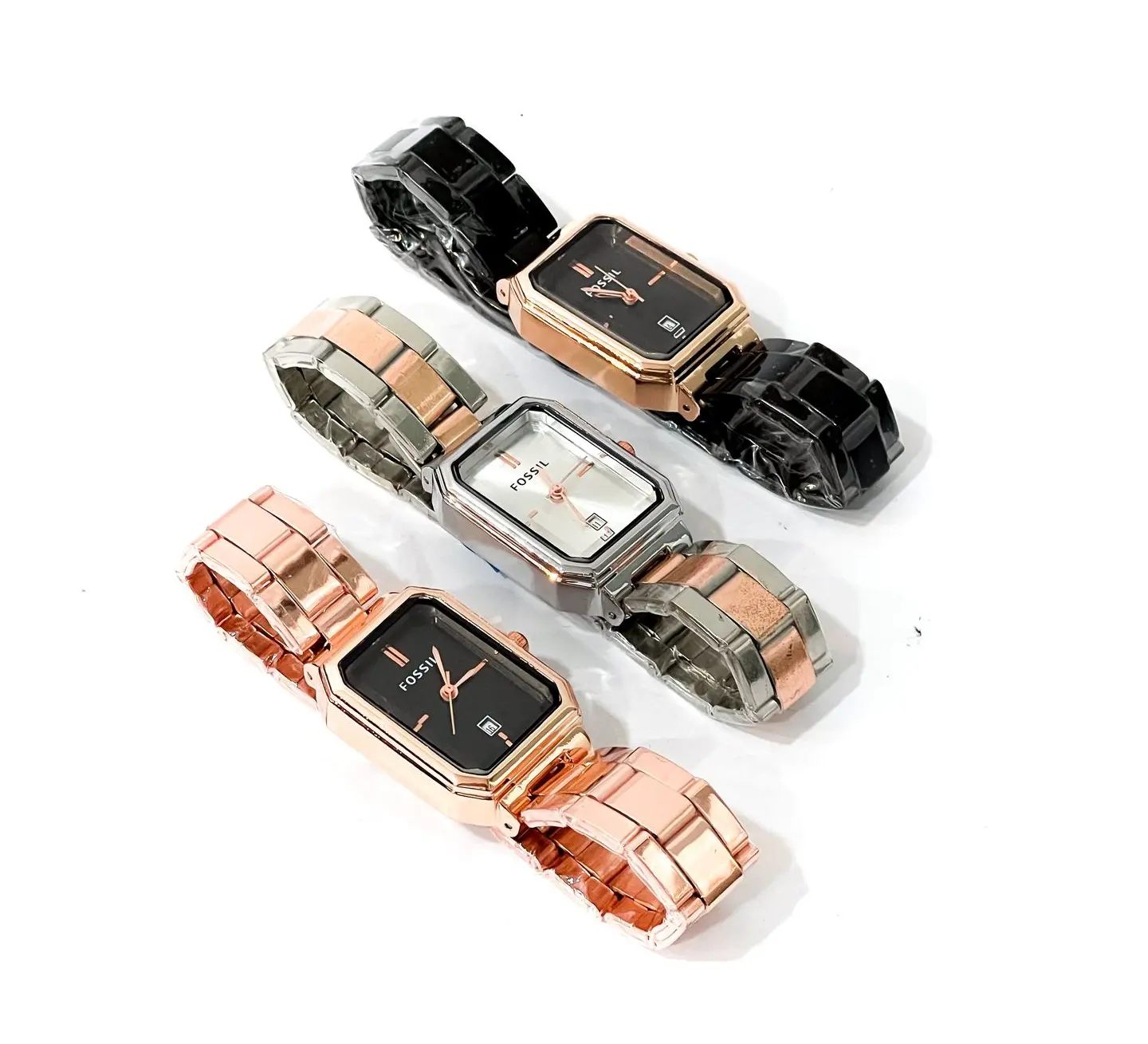
How Art Deco Changed Watch Case Design
Art Deco prompted the watchmakers to try out case shapes other than the round. They employed straight edges, angular profiles, and well-proportioned surfaces to make watches look more architectural.
The case became an integral part of the watch's identity. It was not just housing for the movement but also contributed to the timepiece's overall character.
Rectangular and Square Watch Cases
Rectangular and square cases were significant in early modern watch design. They were straight lines with a different appearance than the round cases many people were used to seeing on traditional timepieces.
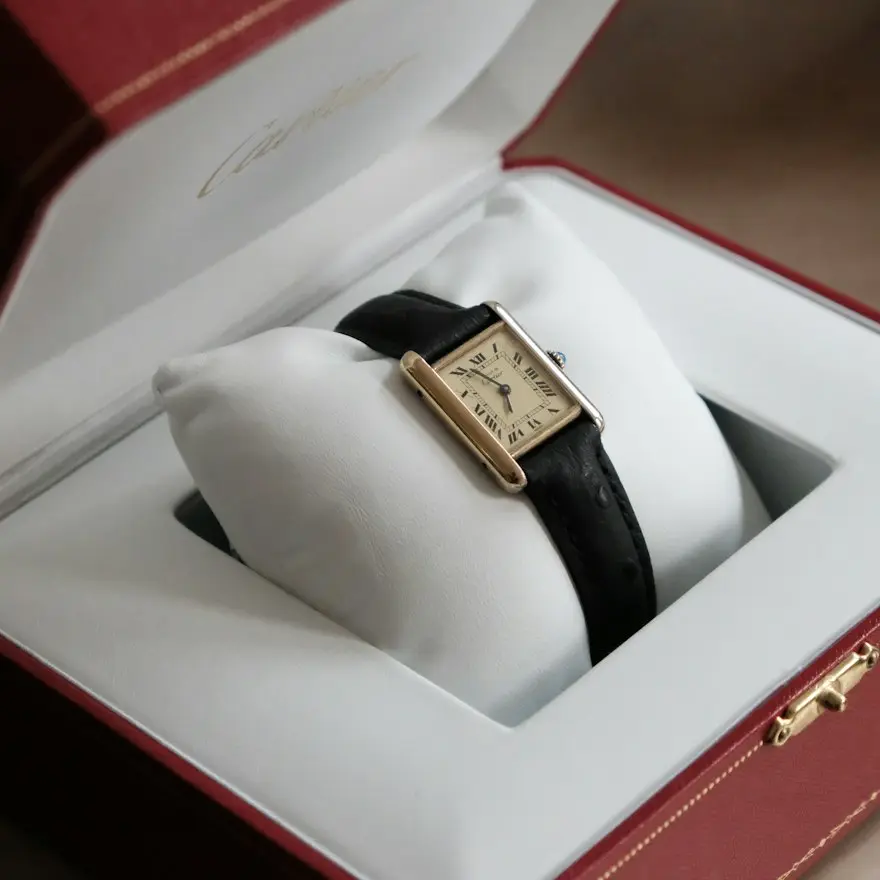
The Cartier Tank is a well-known example. The design was developed in 1917 by Louis Cartier, who was inspired by the clean lines and proportions of military tanks. Its parallel case sides provide a solid visual structure, and the rectangular dial and layout lend a cohesive look to the watch.
Another good example is the Jaeger-LeCoultre Reverso. Launched in 1931, it has a rectangular case that can be turned over to cover the watch face during polo games. It is a geometric shape that is both functional and aesthetically pleasing, embodying the principles of Art Deco.
These watches are a prime example of an important design lesson; an unusual case shape can make an instantly recognizable timepiece without the need for excessive decoration.
Stepped Edges, Angular Lines, and Geometric Details
Strong lines and layered shapes were common features of Art Deco designs to give depth. Watchmakers put these concepts into practice with stepped case edges, defined lugs, angular profiles, and contrasting surfaces.
For example, a stepped case has various levels or layers on the outside. These levels add depth and dimension to the watch. Angular lugs can also be used to join the case to the strap in a manner that enhances the overall geometry.
Look for a watch that has a wide, flat case and distinct edges. It may seem like an architectural design since each surface makes a clear boundary. If both watches are made of the same materials, but one has a rounded case and flowing curves, then that watch will convey a different visual character.
These details illustrate how much a little can make a difference in the overall look of a watch.
Materials, Finishing, and Craftsmanship
Art Deco watches frequently featured precious metals, polished surfaces, enamel and other decorative finishes. These materials were employed by the designers to accentuate shapes and provide contrast.
Polished surfaces could delineate the edges of the case, and gold or platinum could bring refinement. In some of the historical designs, engraving, gemstones, or decorative treatments of the dial were also used.
But good design is not just about expensive materials. How a watchmaker marries its surfaces, proportions, and details is equally important.
For instance, a watch with multiple decorative features and a complicated dial versus a watch with a refined case and a minimalist dial. The second can convey its design with more clarity, as all the elements serve a purpose.
We believe at Leitzeit that good engineering, good function and long-term ownership of watches are important. These are good guidelines for appreciating Art Deco: the best designs have a strong sense of purpose and are visually interesting.
How Art Deco Influenced Watch Dials
Watch dials were influenced by Art Deco with its unique numerals, geometric patterns, contrasting colors, and decorative textures. The designers have worked like a choreographer, arranging the dial into a carefully orchestrated composition while still maintaining the readability of the time.
The best examples are those that have a balance of appearance and function. Decorative features provide a character but do not render the hour markers and hands unnecessarily difficult to see.
Distinctive Numerals and Typography
Numbers are a part of a watch's character. In the Art Deco period, designers began to use stylized Arabic numbers, Roman numbers, elongated lettering and geometric designs.
The decisions resulted in a solid visual identity. Large digits might accentuate the vertical appearance of a rectangular dial, and evenly spaced digits could help to create a sense of order.
Readability was also impacted by typography. The designer had to take into account the size, spacing, and contrast of each numeral to make the dial usable.
For instance, if the watch is rectangular, then the Arabic numbers can be prominent and the minute track can be clear, making the watch stand out and readable. A comparable watch that has little ornamental detail may appear fancy but will be less convenient to use in day-to-day life.
If you're studying an Art Deco-inspired timepiece, take note of the relationship between the numerals and the case shape. A well-planned dial should not be overcrowded.
Geometric Patterns and Balanced Layouts
Symmetry, straight lines and structured arrangements are common features of Art Deco dials. These features help to produce visual order and direct your eye to the hands and hour markers.
Some watches feature sector dials, which are dials that are divided into sections with contrasting colors, textures, or lines. Other designs feature concentric circles or rectangular minute tracks, or precisely placed markers.
Think of a dial with a small central area, a well-defined outer minute track, and evenly spaced digits. There is a function for each section, and the design is organized.
This also illustrates the importance of symmetry. With careful consideration of the visual weight of the numbers, hands, and other features, the dial can appear complete without any unnecessary embellishments.
But not all of the geometric dials are Art Deco. Similar principles can be applied by modern designers to watch designs that are created decades later.
Colors, Textures, and Contrasting Finishes
Black and white contrasts, silver tones, rich colors, enamel and textured surfaces are all possible for Art Deco watch dials. These elements are employed by designers for the creation of depth and for the separation of various parts of the dial.
A light dial with dark numbers provides high contrast and easy-to-read numbers. A darker dial with brighter hands will produce a different look, and it will make the watch look more dramatic.
Guilloché is a decorative technique that creates fine repeating patterns and can be used to add texture without altering the basic dial layout. Enamel can add color and a smooth surface. Both methods must be carried out with care, but their presence does not necessarily indicate that a watch is an example of Art Deco design.
Balance is the key! Excessive colors or textures can be distracting from the time display, and well-chosen contrasts can enhance the design.
The Role of Art Deco in Watch Styling
Art Deco watches were characterized by their unique shapes and sleek, streamlined design. Its designs may be used with formal attire, but it's not just for formal wear.
From Formal Dress Watches to Everyday Elegance
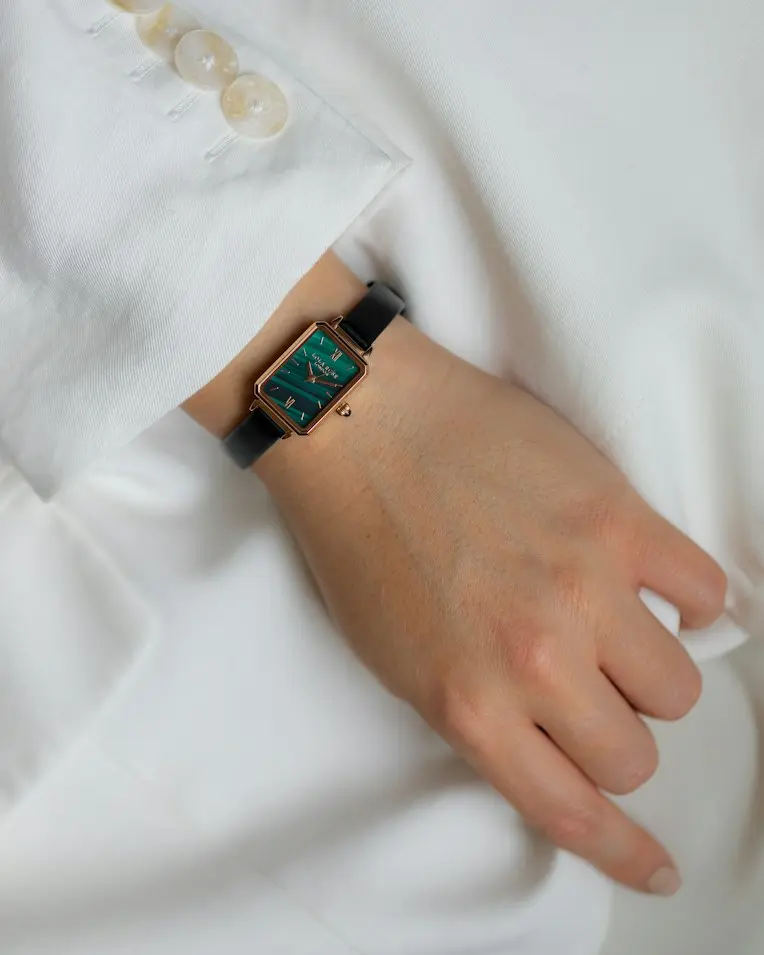
For formal attire, rectangular shapes, sleek dials, and minimalistic aesthetics can be effective, ensuring a clean and understated look. A leather strap could enhance that character, and a metal bracelet might make the same watch look more contemporary.
An Art Deco style watch doesn't have to be adhered to with strict rules. Whether it's for a business outfit, a smart-casual look, or everyday wear, a simple geometric timepiece can work for all of these styles depending on the size, materials, and overall design.
For instance, a simple square watch with a clear dial would be ideal for a formal event. A more substantial case and larger face might work better with casual attire.
It's all about proportionality. A watch should fit well on your wrist, and the size should be suitable to the event and your fashion.
Why Art Deco Watches Still Look Modern
The best qualities of Art Deco watch designs are not reliant on passing fashions, which is why they remain aesthetically pleasing. Simple shapes, proportions and unique silhouettes can still remain relevant with changing trends.
Take into account the Cartier Tank and the Jaeger-LeCoultre Reverso. They have both maintained design identities across generations, despite the new materials, sizes and variations that manufacturers have introduced. The fact that they are still popular today shows that a great original idea can provide for intelligent updates.
The same concept can be used for a watch selection. Don't just think about what is “in” style now, but if the shape of the case, the dial's design and the dimensions of the watch are something you will like for years to come.
A watch doesn't have to be an old design to be timeless. It can incorporate historical principles and satisfy contemporary requirements for comfort, durability, and function.
How Art Deco Continues to Influence Modern Watch Design
Art Deco watchmaking is still alive today in the geometric cases and structured dials, balanced proportions, and meticulously finished details. Some of them recreate historical designs, and others take these ideas and adjust them to today's watches.
The modern manufacturing also provides the designers with more options. They can mix conventional shapes with modern mechanical movements, advanced coatings, sapphire crystal and steel alloys.
Iconic Watches That Reflect Art Deco Design
There are a number of well known watches to help explain how watchmaking was influenced by Art Deco.
Watch | Key Design Feature | Why It Matters |
Cartier Tank | Case and parallel sides (rectangular) | Demonstrates the power of geometry to create a watch's identity. |
Jaeger-LeCoultre Reverso | Reversible rectangular case | A mechanical solution combined with Art Deco styling. |
Audemars Piguet's Geometric Wristwatches | Selected historical models with angular and shaped cases | Show how watchmakers experimented with non-circular shapes. |
Although the Cartier Tank was created in 1917, prior to the zenith of Art Deco, its geometry is very similar to its style. The Reverso, which was first released in 1931, is especially associated with Art Deco. The watch itself is described by Jaeger-LeCoultre as being of Art Deco inspiration with a unique rectangular shape.
These examples also demonstrate why it is best to not consider every angular watch to be an Art Deco watch. Geometric shapes have been utilized throughout the ages, and every watch requires a historical context.
Applying Art Deco Principles to Contemporary Watches
Today's watchmakers can draw inspiration from Art Deco without simply copying historical designs. They can design watches with geometric case shapes, a clear dial design, minimal decoration and proportions to make them feel modern without being too different.
For example, a contemporary automatic movement and scratch-resistant sapphire crystal could be used in a modern watch, which has a traditional rectangular silhouette. The exterior can be designed to be reminiscent of historic architecture, and the interior to suit modern requirements.
We design watches at Leitzeit with a functional, thoughtfully engineered, and quality-first mindset. Our Axis Mundi Worldtimer is in a modern, vintage-inspired design, which includes a world-time feature and a modern automatic movement. That doesn't mean it's necessarily an Art Deco watch, but it's a good example of how today's watchmakers can be inspired by design traditions of the past and produce watches for a modern audience.
This mix of inspiration and innovation propels watch design forward. A strong design is one that is influenced by others, but not simply nostalgic.
How to Recognize an Art Deco-Inspired Watch
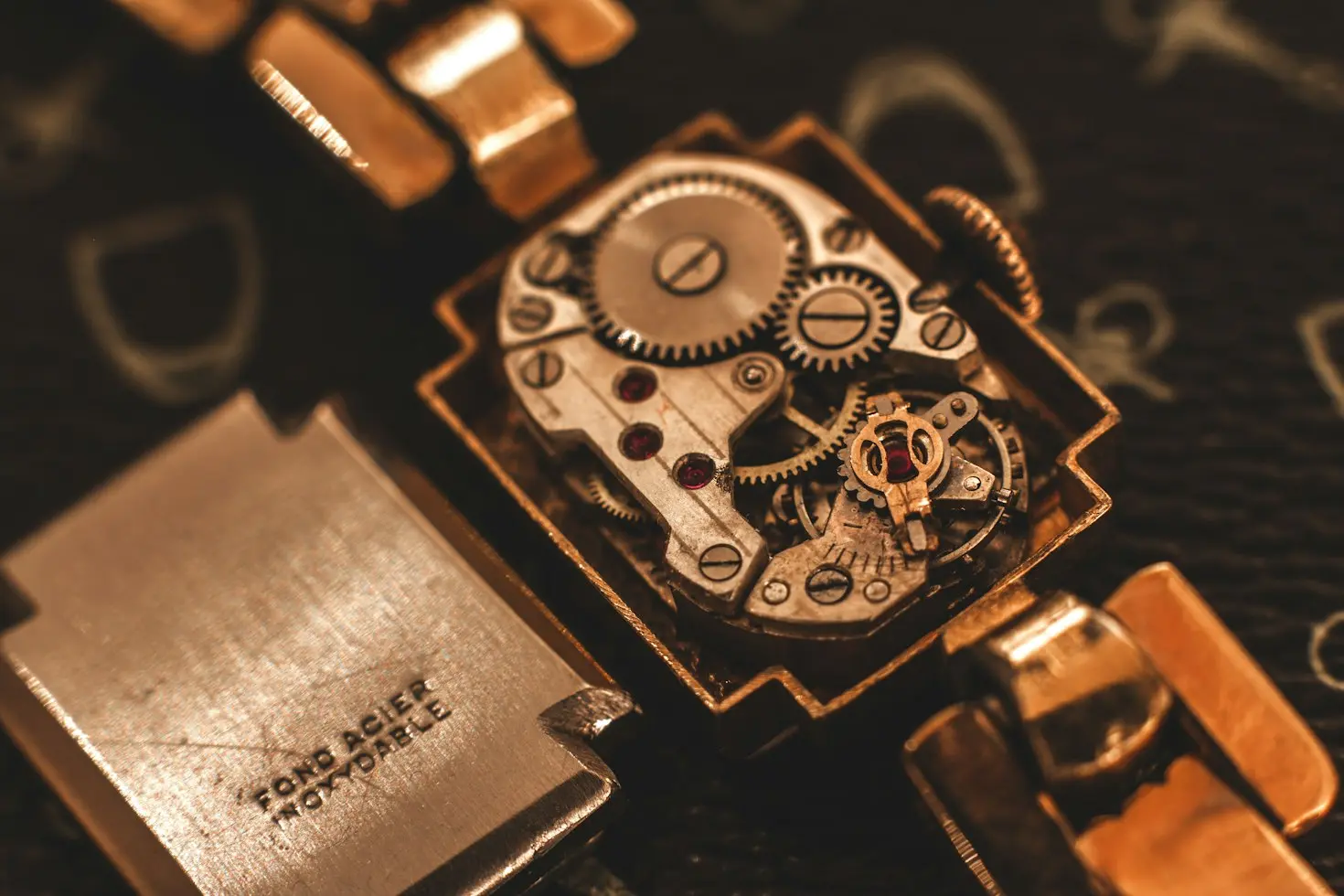
One can identify an Art Deco-inspired watch by its case design, dial design, typography, finishing, and proportions. Take note of multiple features in combination, not just one.
When checking out watches, look at this list:
- Case Shape: Search for rectangular, square, tonneau or other well-defined geometric shapes.
- Case Details: Notice stepped edges, angular lugs, and structured profiles.
- Explore Dial design: the way in which the numbers, hands, minute tracks and decorative lines are arranged.
- Typography: Check out fancy numbers that match the dial's shape.
- Finishing: Notice the way that polished surfaces, textures and contrasting colors work together.
- Overall Balance: See if the case and dial are integrated in a single design.
For instance, a rectangular watch with elongated numbers, a symmetrical dial and stepped case details might demonstrate more of an Art Deco influence than a plain rectangular watch with no other Art Deco features.
These clues, however, cannot be used to determine the age or authenticity of a watch. A modern watch can incorporate Art Deco elements, and a vintage watch can go in a totally different direction. When you need to verify the origin of a watch, check the manufacturer's records, model information and reliable historical references.
Why Art Deco Watches Remain Relevant Today
Art Deco watches are still relevant because they are not only visually interesting but also have design elements that are still applicable today. Their geometric shapes can produce familiar silhouettes and their organized dials can aid in effective timekeeping.
They are also attractive in terms of performance. With the right materials, watch movement and component care, a well-designed watch can provide years of enjoyment.
But design and durability are two different attributes. A watch can appear timeless but not necessarily be as serviceable or reliable as another watch. When choosing a watch for a lifetime, remember to look at the movement, water resistance, maintenance and serviceability as well as the look.
A good comparison is between a watch you picked because it was "in fashion" and one you picked because you like its size and usability. The second can be more satisfying in the long run since your interest won't be entirely based on the fashion.
At Leitzeit, we think that considered engineering and enduring quality are as important as the look of a watch. We focus on mechanical timekeeping, transparency, and designs for longevity.
Art Deco is a great reminder that a watch can be useful and beautiful. A watch can stay attractive long after the time of its inception if the designers have made sure to have a clear purpose for every element.
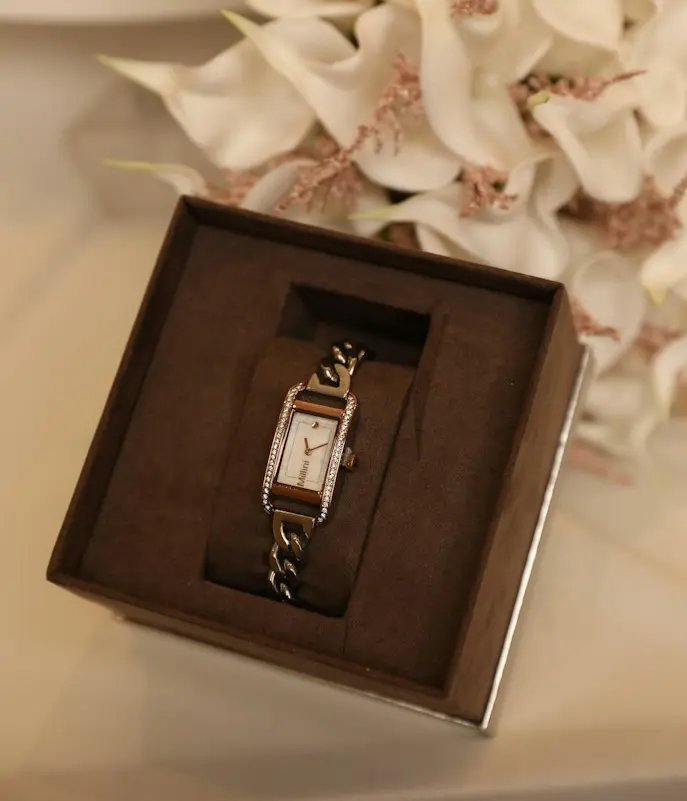
Conclusion: The Lasting Influence of Art Deco Watches
The Art Deco watches altered the approach of designers to the shape of the case, the layout of the dial, typography, and finishing. Their geometric shapes and proportions helped create a style of their own, which has continued to influence watchmaking to this day. Whether it's the rectangular Cartier Tank or the reversible Jaeger-LeCoultre Reverso, there are many examples throughout history that demonstrate how designers can fuse visual appeal with functionality. The watch designs of today carry on this concept, but with modern materials and technology.
We believe that purposeful design, thoughtful engineering and lasting quality can make a meaningful difference in how you experience a watch at Leitzeit. Art Deco is one of the few examples of a strong design that continues to be relevant through generations without losing its identity.
Check out our watch collection for a look at the Axis Mundi Worldtimer and more about how we make contemporary mechanical watches. In the final analysis, when selecting a timepiece, think beyond the fashions and choose the design, performance and workmanship that you will value for years to come.
Frequently Asked Questions
What defines an Art Deco watch?
An Art Deco watch is a watch that embodies the characteristics of the Art Deco movement, including geometric watch cases, straight lines, stylized numbers, and dials with a sense of balance. It's the overall design that's more important than any one thing.
When were Art Deco watches popular?
Art Deco watches were particularly popular in the 1920s and 1930s. The movement also had an impact on later designs, and today, watch manufacturers are still playing with the geometric style.
Why were rectangular watches popular during the Art Deco era?
The rectangular watches matched the movement's fascination with geometry, symmetry, and contemporary shapes. Their straight edges and defined proportions provided watchmakers with an alternative to the traditional round case and helped to form unique silhouettes.
Are Art Deco Watches still in style?
Yes, Art Deco-inspired watches are still in style, as their geometric shapes and balanced designs can be paired with formal or casual attire. Modern watchmakers still use these principles in modern watches.
What Is the difference between Vintage and Art Deco Watches?
Vintage is a term used to refer to the age of a watch, whereas Art Deco is a term used to refer to the design of a watch. Although a vintage watch can be from the Art Deco era, it does not necessarily adhere to Art Deco design.
How can you identify an Art Deco-inspired watch?
Search for geometric case forms, stepped edges, stylized numbers, structured dials and proportion. A rectangular case alone does not give as much indication of Art Deco influence as several features working together.
Are all rectangular watches Art Deco watches?
No, rectangular cases have been used in various styles and eras. To determine whether an Art Deco influence is present, study the entire design of the watch and, if possible, its history.
Can you wear an Art Deco watch every day?
Yes. If you like the size, strap, durability, and water resistance, you can wear an Art Deco inspired watch every day. Don't assume that all vintage style watches will tolerate the same conditions; consult the manufacturer's instructions.